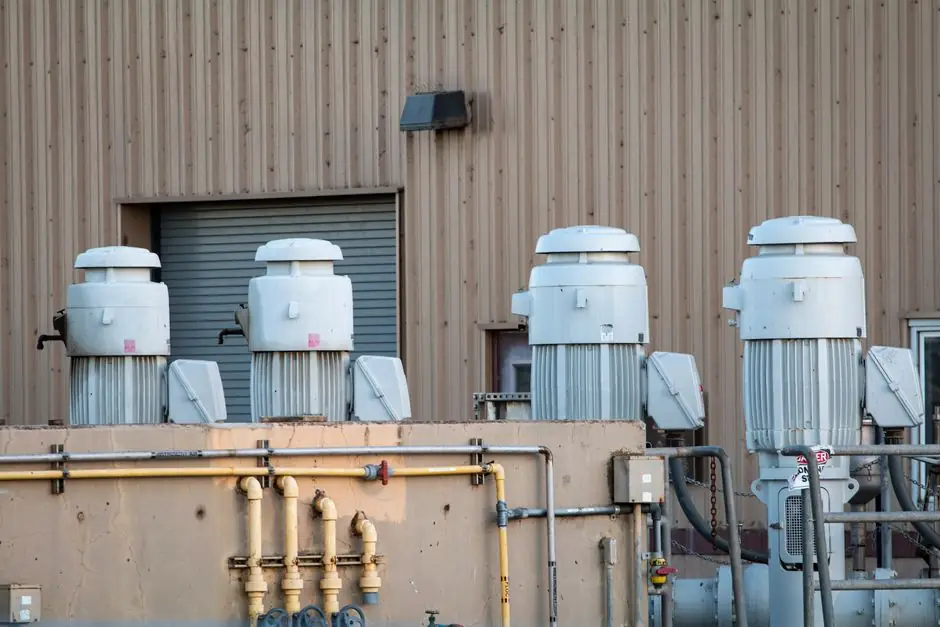
PP-H (polypropylene homopolymer) is the correct material for chemical process piping, with a working range of 0°C to 95°C and resistance to mineral acids, alkalis, and salts documented for industrial dosing and pickling networks [S1]. PPR (polypropylene random copolymer) was developed in 1980s Europe for hot-water plumbing and hydronic heating, not as a chemical-conduit material [S2].
The two resins are not interchangeable: they differ in molecular structure (homopolymer vs random copolymer), pressure rating, and chemical envelope. Picking the wrong one for a chemical service loop typically shows up as premature creep, environmental stress cracking, or fitting blow-out within 18-36 months.
Material definition and standards basis
PP-H, the homopolymer form, is built from a single propylene monomer chain, giving a tightly packed crystalline matrix with low permeability and high chemical inertness [S1]. It is the grade most often quoted under DIN 8077/8078 for industrial pressure pipe in Europe and used widely in pickling, electroplating, and chemical dosing [S1].
PPR is defined under ASTM F2389 as a copolymer of propylene with at least one comonomer (propylene >50%), introduced for plumbing in the 1980s and to North America in the 2000s [S2]. PPRCT is the newer-generation variant with about 25% higher stress capability and 25% higher pressure rating than PPR 80/PPR 100 at the same wall thickness [S2]. PP-R and PP-RCT pipes and fittings are fully fusible to each other, but neither should be fused to PP-H hardware without explicit OEM compatibility data [S2].
Chemical resistance: PP-H vs PPR head-to-head
PP-H shows superior resistance to strong acids (sulfuric, nitric), aggressive alkalis, and most organic solvents, and is the default in high-purity chemical and pharmaceutical service [S3]. PPR provides resistance to highly acidic and basic solutions only in non-pressure, hydronic, and corrosion-inhibitor side streams; it is not engineered for concentrated oxidizers or strong organic solvents [S2].
In practice this means a 30% H2SO4 line, a NaOH dosing header, or a chrome-plating rinse loop should run in PP-H socket-fusion or butt-fusion. A closed heating-water loop with corrosion inhibitor chemistry is fine in PPR socket-fusion and is the original use case the resin was developed for [S2].
Temperature and pressure limits you can actually quote
PP-H continuous service tops out near 95°C (ideal ≤85°C), with a working range of 0°C to 95°C and high tensile plus impact strength at room temperature [S1]. For PPR, when SDR 9 or thicker wall is selected, the rating is 100 psi at 180°F (690 kPa at 82°C) per national plumbing and mechanical codes [S2].
Common wall options for PPR/PP-RCT run SDR 7.4, SDR 9, SDR 11, and SDR 13.5, with thicker walls delivering the higher pressure ratings; metric sizes span 16-710 mm (nominal 3/8 to 28 inches) [S2]. PP-RCT on the same SDR 9 wall carries about 25% more pressure than legacy PPR at the same operating temperature [S2].
Mechanical behaviour and joining methods
PP-H is rigid and holds shape under pressure and thermal cycling, which is why it dominates in exposed chemical racks where dimensional stability matters [S3]. PPR is more flexible and tolerates the thermal expansion of hydronic loops better in building service, where chopped glass-fiber reinforcement layers are sometimes used to cut longitudinal thermal movement [S2].
Joining is similar in concept but distinct in execution: PP-H uses butt fusion, socket fusion, IR welding, or matched flanged joints, with strict heating-plate temperature and hold-time control to reach molecular fusion [S1]. PPR uses heat-fused socket and butt fusion following industry-standard practice; PP-R and PP-RCT components can be fused across types, but PP-H is a separate resin family and needs its own fittings and parameters [S2].
Side-by-side selection criteria
Decision logic for a process engineer: (1) chemical concentration and oxidizer strength, (2) continuous operating temperature, (3) pressure class and SDR, (4) installation environment (exposed rack vs buried vs in-building), (5) joining method available on site. [S1]
On those criteria: PP-H wins chemical resistance, upper temperature ceiling (95°C continuous), and rigidity; PPR wins hot-water pressure rating (100 psi at 180°F, SDR 9), code-listed plumbing status, and glass-fiber reinforcement options for thermal expansion control [S1][S2]. PP-H loses on thermal expansion coefficient (larger than PPR), and PPR loses outright on aggressive chemical service and on any line above its pressure/temperature class [S7].
Failure modes and constraints to engineer around
PP-H is vulnerable to UV and to strong oxidizers beyond its published chemical envelope, and it should not be used for halogenated organics or concentrated chlorine service, where PVDF or PP-H with liner upgrades is the safer call [S1]. Coefficient of thermal expansion is higher for PP-H than PPR, so long exposed runs need proper expansion loops or offsets, not just rigid clamps [S7].
PPR piping in chemical service typically fails by environmental stress cracking at fitting interfaces where a stress-raiser meets a permeant chemical; this is the most common root cause when PPR shows up in a chemical skid against OEM guidance [S5]. PP-RCT mitigates some of the pressure shortfall of legacy PPR but does not change the chemical envelope, so the same service restrictions apply [S2].
When PP-H is wrong, and when PPR is wrong

PP-H is the wrong call for residential or commercial hot-water risers, hydronic heating mains, and any code-listed plumbing loop, where PPR's ASTM F2389 listing, 100 psi at 180°F rating, and 40+ years of in-service history make it the lower-risk choice [S2]. For indoor hot-and-cold potable plumbing and heating, PPR is the safer, more durable selection over PP [S6].
PPR is the wrong call for any concentrated acid or alkali line, for pharmaceutical or semiconductor high-purity loops, and for chemical dosing skids in metal-finishing shops; PP-H, or for ultra-pure halogen service PVDF, is the correct family [S1][S3][S5]. Specification discipline here drives both safety and the 20-year replacement interval most plants are trying to protect.
Sourcing, standards, and traceability
For European chemical builds, PP-H pipes typically ship to DIN 8077/8078 with manufacturer-specific pressure/temperature derating curves; request the derating curve for the resin lot, not just the catalog number [S1]. For North American plumbing service, insist on ASTM F2389 listing and the corresponding PPI TR-4/HDB values for the exact SDR [S2].
When PP-H and PPR lines must coexist in the same plant, color-code at the receiving dock (RAL 7032 grey or RAL 7035 light grey is common for PP-H, green for PPR plumbing), and never socket-fuse across resin families without written OEM procedure; PP-R and PP-RCT are the only cross-family fusion pair that is explicitly permitted [S2]. Documentation of resin, SDR, lot, and fusion parameters is what survives the next plant audit and the next incident review. For a broader read on how chemical capital projects are being reshaped in 2026, the 2026 chemical industry cycle note tracks the procurement backdrop behind these piping decisions. Adjacent material-selection work, including chemical anchor and chemical reagent compatibility, follows the same resin-vs-media logic at the joint and seal level.
For component-level specifications, see ppr pipe.