Structural steel reached $2,721.31 per ton in Q4 2026 [S2].
For construction buyers, sheet price is only one component of the installed cost. Paint system, substrate grade, fabrication, freight, labor, code requirements, volume, and delivery timing determine the commercial value of a prepainted-steel package [S1][S4].
Prepainted steel price scope and market benchmark
Prepainted steel is coated sheet that has received a factory-applied paint finish before fabrication or installation. It is not a single commodity price because the substrate, coating, gauge, width, color, gloss, film build, number of baked coats, and qualification requirements all affect commercial pricing [S1][S3].
China’s galvanized-coil export offer increased from about $565–$590 per tonne in January 2026 to $630–$640 per tonne by June [S3].
RSMeans recorded a structural-steel cost index of $2,721.31 per ton in October 2026 [S2]. The Q4 2026 structural-steel cost index was 2.28% above the Q3 level [S2].
What drives the 2026 prepainted steel price
Zinc approached $3,900 per metric ton in early September 2026, a four-year high [S3]. U.S. hot-rolled coil was assessed near $1,422 per metric ton in late October, while galvanized base pricing and coating extras add separate cost layers [S3].
Coating premiums matter independently of base steel. Nucor raised galvanized and galvannealed coating extras by 11% in August 2026 [S3]. Premium paint systems can also add cost where project specifications require extended color matching, higher coating performance, or qualified fabrication.
Volume and lead time shape the final quote. Project-scale demand competes with infrastructure, manufacturing, and data-center construction for steel supply, which can keep prices elevated even when residential construction softens [S1].
Compare uncoated, galvanized, and prepainted options

The RSMeans structural-steel cost index reached $2,721.31 per ton in Q4 2026 [S2]. Galvanized steel adds zinc protection and corrosion resistance, with U.S. 2026 pricing forecast at $1,180–$1,280 per metric ton [S3]. Prepainted galvanized sheet adds the coating line, paint materials, color controls, surface preparation, baking, and handling requirements.
Against four procurement criteria, the comparison is straightforward. Uncoated steel has the lowest material specification cost but leaves coating responsibility with the fabricator. Galvanized steel has higher substrate cost but reduces corrosion risk and provides a coated surface. Prepainted sheet has the highest conversion and specification cost but can remove field painting and support controlled architectural finishes. Standardized colors and moderate order quantities normally offer better commercial flexibility than custom colors, premium coatings, or tightly qualified products.
Market access also separates the options. China’s galvanized coil export offer moved from approximately $565–$590 per metric ton in January 2026 to $630–$640 by June [S3]. Import duties, tariffs, trade remedies, freight, and domestic coating capacity can erase an apparent import-price advantage before a project reaches the erection stage [S3][S4].
Construction suitability and specification decisions
Prepainted steel fits projects that require factory-controlled color, coating consistency, reduced field-painting work, or appearance matching across repeated panels.
The building-system choice changes the required sheet. Standard steel-framed buildings may use painted structural members, wall panels, roof panels, or combinations of these products. A roof replacement also brings drainage, fastening, flashing, accessories, transport, installation, and removal into the estimate [S1]. These are separate cost categories, so a quoted prepainted-sheet price should not be treated as a complete roofing or building price.
Design standardization reduces procurement exposure. Published 2026 building guidance places kit costs at $15–$25 per square foot, shells at $24–$43 per square foot, and turnkey projects at $50–$100 or more per square foot [S4]. Stricter regional codes, site preparation, permits, and custom designs can increase steel-building costs [S4].
Cost drivers ranked from material to installation
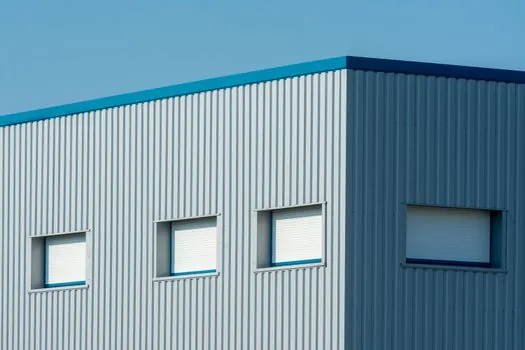
The largest cost driver is the finished sheet specification, which combines the steel substrate with zinc, coating chemistry, paint system, color, gloss, and coating extras. Next come order size and production economics: a full coil or multi-coil order can improve purchasing leverage compared with a small cut-to-size purchase, although available research does not provide a universal volume discount. [S3]
Certification and qualification add both direct and indirect cost. A supplier may need to demonstrate coating adhesion, color consistency, coating thickness, or compatibility with project-specific requirements. These tests create laboratory, documentation, and production-control costs, but the research does not specify a universal certification charge for prepainted steel.
Lead time can cost more than the material-price movement itself. A one-year mill lead time in structural steel [S2] makes postponement risky, while labor scarcity adds $5–$15 per square foot to steel building projects [S4]. General-contractor fees can add 10%–20% to total project costs, and certified base-kit assembly can cost $5–$12 per square foot [S4].
Total cost of ownership beyond the sheet price
Purchase price does not capture the full cost of prepainted steel. Transportation, unloading, storage, fabrication waste, installation labor, fasteners, flashing, accessories, protection against damage, and maintenance all affect the lifecycle result. Factory-applied coating can reduce onsite painting, but a damaged panel may require careful repair or replacement because color and sheen matching are difficult after installation [S1].
Regional construction conditions can outweigh modest material savings. U.S. labor rates can vary by as much as 60%, coastal and stricter-code regions can carry 15%–25% higher costs, and site preparation, permits, and custom design can add 25%–45% to the budget [S4]. Published guidance recommends a 7%–10% contingency for steel building projects [S4].
The 2026 lumber and construction cost outlook is useful for separating broader inflation in other building materials from the specific galvanized-sheet and prepainted-steel cost stack.
Limits on forecasting and reliable procurement signals

Prepainted steel has no single 2026 forecast because zinc, substrate steel, coating extras, regional supply, and trade conditions move independently. Zinc can ease construction demand or fall in price, but mine disruptions, force-majeure declarations, and exchange-warrant shortages can push the opposite direction [S3]. New U.S. galvanizing capacity of roughly 500,000 metric tons may alter supply over a longer horizon, but timing does not remove near-term coating constraints [S3].
Trade cases add another variable. Indonesia opened an anti-dumping investigation into galvanized imports from China in September 2026, while Australia opened a continuation inquiry involving India and Malaysia [S3]. These actions can alter delivered regional pricing without changing construction demand.
Buyers should therefore secure a project-specific quote with the exact gauge, width, substrate grade, coating designation, color, gloss, coil quantity, delivery point, and validity period. Track the mill or coating-plant lead time, the coating-extra notice, and the quoted sheet price at each procurement milestone. Those are more actionable than assuming that softer residential demand will produce an immediate reduction in prepainted-steel costs [S1][S2][S3].