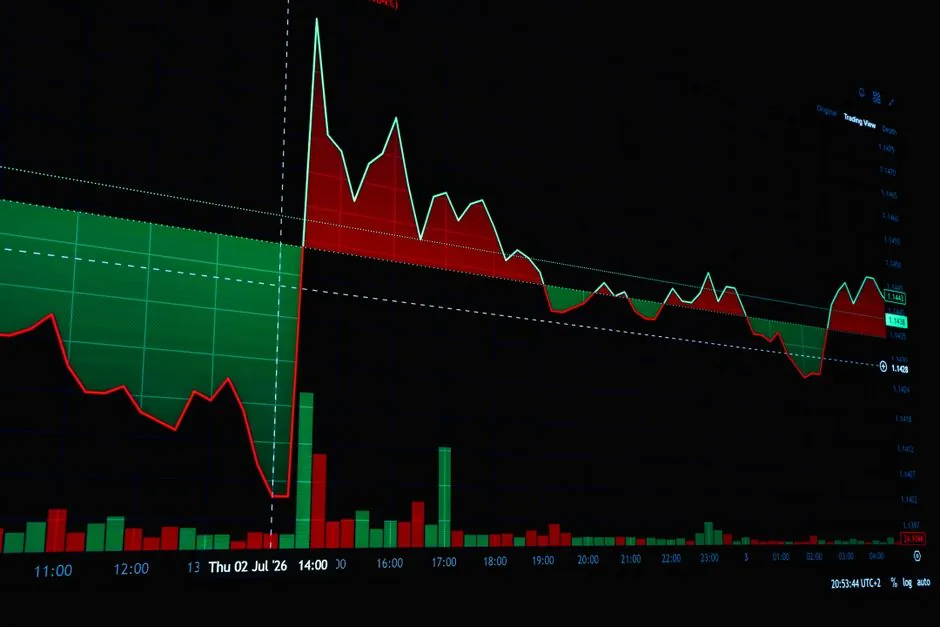
Phosphate rock costs more in 2026 as LFP demand expands, with the global rock market estimated at USD 36.7 billion and fertilizer consumption remaining the largest end-use segment [S4].
LFP cathode demand is pulling purified phosphoric acid and phosphate rock into the electric-vehicle supply chain, linking battery growth to fertilizer-grade mineral scarcity, processing capacity and trade policy [S1][S2].
2026 price direction and market scale
The global phosphate rock market was valued at USD 35.1 billion in 2025 and is projected to grow from USD 36.7 billion in 2026 to USD 54.4 billion by 2033, at a CAGR of 5.8% from 2026 to 2033 [S4].
That market value combines phosphate used in fertilizers with non-fertilizer applications, including purified phosphoric acid for battery cathodes. Fertilizers held the largest revenue share in 2025, so agricultural demand remains the price-setting anchor even as LFP expands [S4].
LFP demand changes the phosphate demand curve
The LFP battery market was estimated at USD 39.2 billion in 2025 and expected to reach USD 44.7 billion in 2026, then USD 168.1 billion by 2035 at a 15.9% compound annual growth rate [S3].
These two demand channels make phosphate inputs relevant to both vehicle batteries and stationary storage systems.
A 2026 analysis estimated that LFP material prices had climbed close to 100%, while supply remained short of demand. The increase directly raised the cost base for LFP production because iron phosphate production depends on phosphorus feedstocks [S6].
The phosphate requirement is significant even within the much larger fertilizer pool. Of current phosphate ore demand for fertilizers, 4% to 22.8% would be needed for projected 2045 H3PO4 demand for LFP under the modeled range [S2].
Rock, acid and LFP are not interchangeable
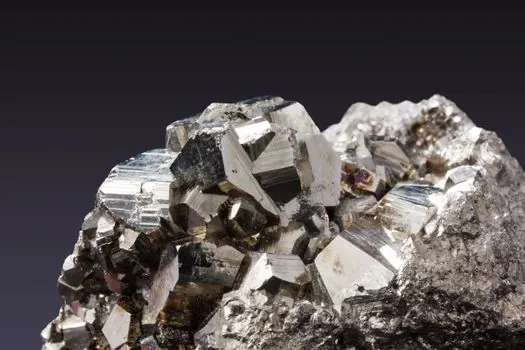
Phosphate rock price, purified phosphoric acid price and lithium iron phosphate price describe different stages of the value chain. Rock is mined and beneficiated, phosphoric acid is refined from phosphate feedstock, and LFP is synthesized from purified acid and lithium and iron compounds. [S5]
Comparison on feedstock exposure shows the distinction clearly. Phosphate rock sits upstream, where mine grade, beneficiation recovery, freight and fertilizer demand dominate cost. Purified phosphoric acid adds processing, impurity-control and refinery capacity to the cost structure. LFP sits downstream, where acid demand, lithium cost, conversion yield, utilisation and battery demand set its commercial margin [S1][S6].
For a buyer forecasting cathode cost, applying one rock-price change directly to LFP would overstate the exposure. The relevant calculation must separate rock purchase cost from acid conversion cost and downstream manufacturing cost. The cited 4% to 22.8% range also illustrates why different LFP adoption and production scenarios produce sharply different phosphate requirements [S2].
Supply concentration limits the price response
This matters because higher recovery can increase usable phosphate output without requiring a proportional increase in mined tonnage.
Trade controls can tighten prices faster than new mines can respond.
Refining capacity is the near-term bottleneck

Adding phosphate-rock output does not guarantee additional battery-grade purified phosphoric acid. Refineries must deliver the required acid purity, impurity profile and dependable delivery volumes for cathode production, while fertilizer remains the principal competing demand [S1].
The long-term phosphorus balance is material but manageable within the global cycle. In 2020, approximately 30 Mt of phosphorus was mined from about 223 Mt of phosphate rock, and global reserves were estimated at 71,000 Mt [S5].
It is a long-range scenario rather than a 2026 procurement forecast, so it should be used to frame exposure, not treated as a committed demand volume [S5].
Cost drivers rank above headline market growth
Phosphate-rock pricing is driven first by fertilizer-market balance, then by energy and freight costs, mine and beneficiation intensity, and export restrictions. LFP adds a second demand source and rewards mines and refineries connected to reliable battery-acid supply [S4][S5].
Purchase price is only part of total cost. A cathode producer also pays for phosphoric-acid conversion, chemical handling, lithium feedstock, plant utilisation, yield loss, quality control and logistics. Under a tighter acid market, higher acid conversion cost can matter more than the mine price because qualified refinery capacity is scarce and difficult to replace [S1][S6].
Installed cost differs by pathway. Greenfield phosphate mining requires orebody development, beneficiation infrastructure and long permitting timelines; expanding an existing refinery requires process modifications and corrosion-resistant equipment; using qualified merchant acid can simplify procurement but exposes the cathode plant to another supplier and regional price premium.
Maintenance and energy are recurring rather than one-off items. Beneficiation consumes power and reagents, while purified phosphoric acid refining requires sustained heat, water and corrosion-resistant process equipment. Higher operating hours can lower unit cost, but an aggressive utilization target on a constrained acid train risks yield loss and unplanned maintenance.
Who benefits and who faces the squeeze
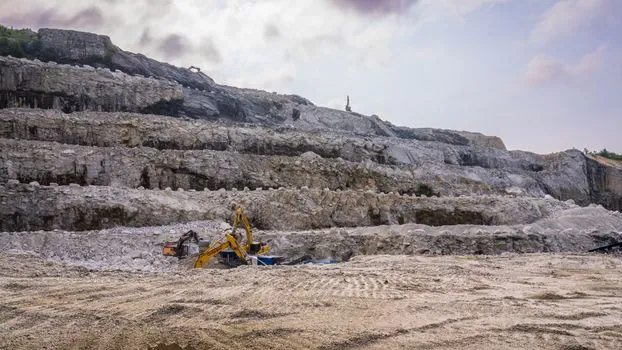
LFP cathode manufacturers with contracted, impurity-controlled phosphoric acid supply have better input assurance than producers buying spot acid under a fertilizer-led price cycle. Integrated fertilizer and industrial acid producers can also allocate output toward higher-value battery applications, but fertilizer customers remain essential to utilization [S1][S4].
Phosphate miners with reliable beneficiation and export logistics are positioned to capture volume growth, but export restrictions can weaken the benefit for domestic supply. China produced about 110 million metric tons in 2024, so self-sufficiency reduces exposure to imported rock prices while increasing its influence on downstream acid markets [S4].
The model is less suitable for buyers seeking a single benchmark. Phosphate-rock contracts differ by grade, origin and delivered terms, while battery-grade acid includes additional purity requirements. Procurement teams should track delivered rock price, acid qualification status, refinery utilization and LFP contract coverage separately.
Signals to track through 2026
Three measurable indicators will clarify the phosphate-rock price path: movement from the USD 36.7 billion 2026 market estimate, conversion of LFP demand into contracted purified phosphoric acid volumes, and changes in fertilizer-rock operating rates and export policy [S1][S4].
For buyers, the near-term decision is not whether phosphate becomes scarce globally, but whether qualified acid and contracted rock can support cathode production without absorbing fertilizer-driven price volatility. Track delivered rock price by origin, acid-refinery utilization, LFP material prices and export restrictions as the four procurement signals [S4][S6].