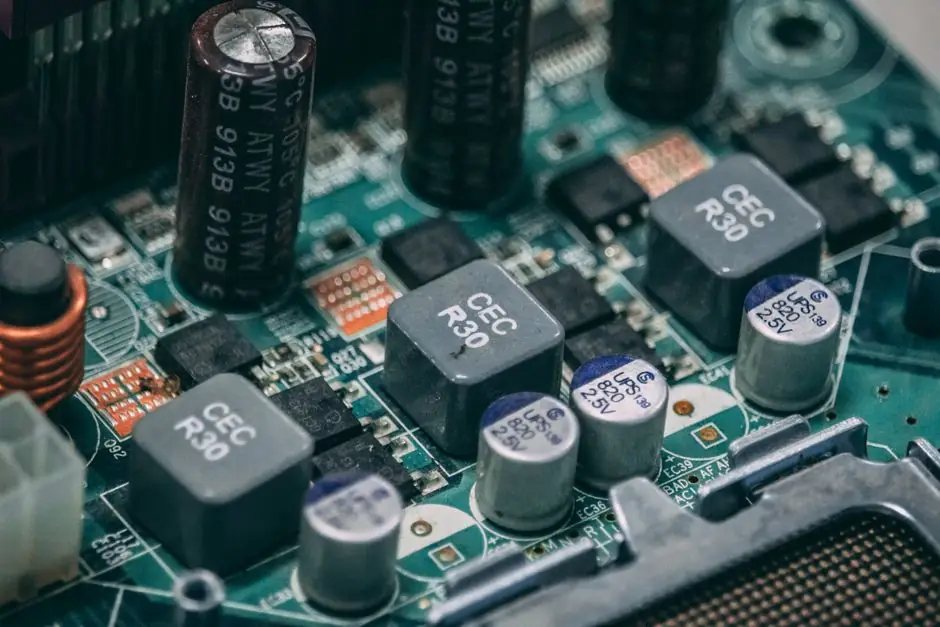
For electronics warehouses above 6 m of racking, the 1,400-1,800 kg reach truck class (exemplified by Linde Ri14-Ri18) operating in 2.7-3.2 m aisles at lift heights up to 11 m is the dominant 2026 spec window [S1][S3][S4].
Reach trucks typically handle 1,200-2,500 kg depending on model and lift height, with capacity decreasing as the mast rises [S2]. For a standard electronics pallet of finished goods or components, the 1.4-1.8 t window matches typical residual-capacity curves and leaves headroom for tall mast positions [S3][S4].
Aisle width and lift height: the two-axis decision
Counterbalance forklifts require 3.5-4.5 m clear aisle width and effectively top out at 6 m of lift height because the counterweight creates stability risk for indoor racking above that level [S5]. Reach trucks work in aisles as narrow as 2.5-3.0 m (and VNA trucks down to 1.6-2.0 m), with reach-truck lift heights commonly reaching 6-10+ m [S3][S5].
In a standard 20 m bay, a reach truck layout often accommodates around 50% more pallet positions than a standard counterbalance layout, which is the core economic argument for the machine class [S5]. When racking exceeds 7 m, reach trucks become the only practical and safe indoor option in most facilities [S5].
Why a reach truck fits electronics handling specifically
Electronics distribution centres and 3PL operations for components are characterised by tall, dense racking of small-to-medium pallets and high SKU turnover, which is the workload profile reach trucks were engineered for [S1]. The narrow chassis and stand-up operator compartment give the visibility and aisle density needed when picking small cartons of PCBAs or finished devices [S2].
For a related decision framework on narrow-aisle storage in regulated stockrooms, see the reach truck spec map for pharmaceutical distribution centers, which applies the same aisle and lift-height logic to a different cleanliness profile.
Reach trucks are battery-powered and emit no exhaust at the point of use, which keeps indoor air clean for both operators and exposed electronics [S1]. Modern units are increasingly shipped with integrated lithium-ion battery packs rather than legacy lead-acid, which removes hydrogen gassing during equalise charge and reduces the floor-borne lead contamination risk that electronics plants are sensitive to [S2][S4].
Spec comparison: counterbalance forklift vs reach truck vs VNA for electronics

Three equipment classes compete for the indoor electronics warehouse slot, and the right pick is a function of aisle width, rack height, and SKU density rather than brand [S3].
Counterbalance electric forklift: aisle 3.5-4.5 m, lift up to about 6 m, multi-purpose for dock work, loading, and low-to-medium stacking, heavier mixed-pallet handling, but the widest floor footprint [S3][S5].
Reach truck: aisle 2.5-3.2 m typical, lift 6-10+ m, optimised for indoor racking and pallet retrieval, high residual capacity at height, but unsuited to rough outdoor surfaces or repeated dock-to-trailer cycles [S3][S5].
VNA (very narrow aisle) truck: aisle 1.6-2.0 m, maximum storage density, but requires guided racking or wire guidance, very flat floors, and stricter operating discipline, and is typically overkill for general electronics SKU profiles [S3].
For a tall but conventional electronics DC running 7-11 m racking in 2.7-3.0 m aisles, the reach truck sits in the cost-and-capability sweet spot; for sub-6 m rack height and a wide-aisle dock, a counterbalance electric forklift is usually the lower-TCO pick [S3][S5].
ESD, battery, and cleanliness considerations
Electronics storage is one of the few indoor forklift applications where battery chemistry is a real spec point, not just an energy-cost question. Lithium-ion packs eliminate the equalise-charge hydrogen off-gassing associated with flooded lead-acid, and the sealed packs also limit floor-borne lead dust, both of which matter in ISO-class or ESD-controlled zones [S2][S4].
Reach truck wheel materials are commonly polyurethane on the drive and load wheels for indoor use because the compound is non-marking on coated or ESD-painted floors and generates low particulate compared with rubber [S1]. This matters when stored product is in open trays or sub-assemblies rather than sealed retail cartons.
For electronics enclosure manufacturing or sub-assembly cells feeding the DC, the polyurethane elastomer selection for electronics spec map covers the wheel, roller, and caster compound choices on the same ESD-cleanliness basis.
Operator training and certification
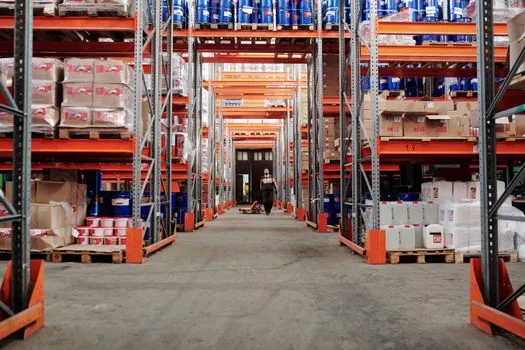
Reach trucks are stand-up units with unique steering physics and a forward-reaching mast that shifts the centre of gravity during extension, which is a control skill counterbalance operators do not have to manage [S2][S5]. Operators require a separate Class 2 (or equivalent jurisdiction) practical evaluation to be legally certified, and the learning curve is longer than for sit-down counterbalance trucks [S5].
Modern reach trucks consolidate travel, lift, reach, tilt, and horn into a multi-function joystick, which reduces hand travel and improves control in tight pick cycles, but the precision demand remains higher than for a counterbalance unit [S2].
Reach trucks also require specialised service for their complex lifting electronics, mast sensors, and load-wheel braking systems, so the maintenance contract and parts availability should be evaluated alongside purchase price [S4][S5].
Limits and failure modes to spec against
Load capacity decreases as lift height increases, which means a 1,800 kg rated truck at 11 m may only carry a fraction of that at full extension, and the residual capacity chart must be checked against the heaviest electronics pallet at the tallest pick position [S2][S4]. The Linde Ri-series hydraulic load wheel brakes are sized to keep braking distance short regardless of mast position, which is the kind of spec detail worth carrying into any equivalent OEM comparison [S4].
Reach trucks are not the right answer for outdoor yards, mixed dock-and-aisle workflows, or facilities under 6 m of racking in wide aisles, where a counterbalance electric forklift is faster, cheaper to maintain, and easier to certify operators on [S3][S5]. They are also not the right answer when maximum density is the goal and the floor and racking can be specified for VNA operation, which is where a VNA truck, not a reach truck, becomes the correct tool [S3].
Track for the 2026 LogiMAT-equivalent launches of compact 1.4-1.8 t lithium-ion reach trucks and for the spread of integrated fleet-management telematics as standard rather than optional on this class.
Detailed specification references: reach truck, material handling, and storage handling.