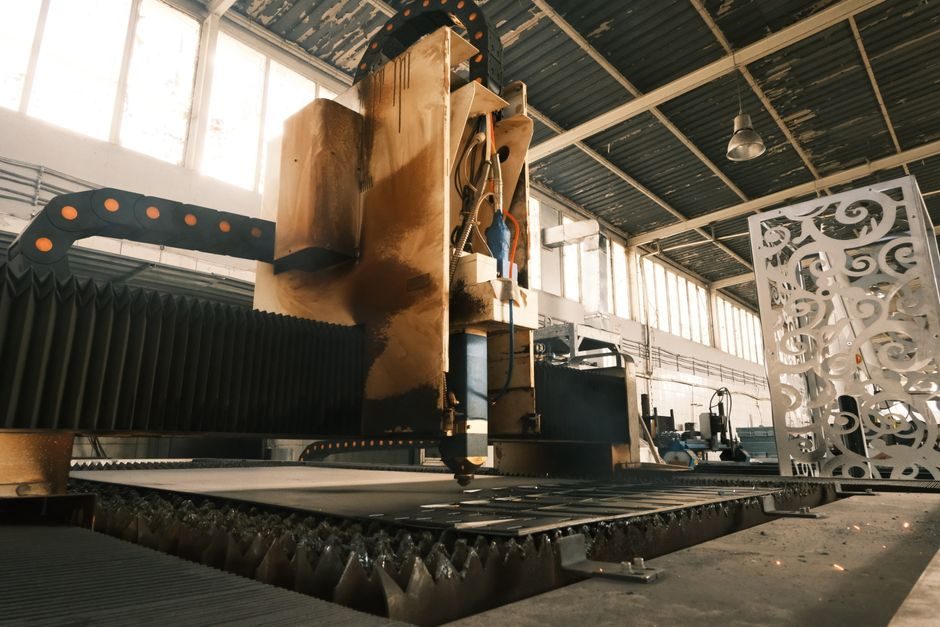
A riser cutting machine and a sand reclamation unit sit on opposite ends of a foundry's material flow — one trims solidified castings, the other rebuilds the sand bed that made them — and confusing their roles during capex planning leads to mis-sized equipment and wasted floor area [S1].
Both machine classes are mature, with multi-decade supplier bases in China and Europe, but their spec sheets, throughput metrics and operating-cost structures do not overlap; a buyer comparing them is usually choosing which process bottleneck to fund first, not which technology is better.
Process Scope and Where Each Machine Sits in the Foundry Loop
A riser cutting machine — also called a riser-cutting machine in supplier catalogs — is positioned between shakeout and the finishing cell, severing the riser (feeder) head from the casting using an abrasive cutoff wheel, band saw, hydraulic shear or, for small runs, a hand-held abrasive saw [S1].
A sand reclamation unit sits further upstream, downstream of the shakeout, regenerating used system sand or green sand by removing binder residue, fines and tramp metal through a sequence of crushing, magnetic separation, attrition and either mechanical or thermal reclamation, then returning the cleaned sand to the mixer. Foundry buyers typically treat the two as separate capex lines even though both touch the same casting.
Selection Criteria: Cut Force, Wheel Spec, Throughput and Sand Type
For riser cutting, the spec levers that drive model selection are maximum workpiece diameter, riser neck diameter range, abrasive wheel diameter and thickness, motor power (commonly 4-15 kW per station), and cutting-feed hydraulic pressure; a typical bench unit handles riser necks up to ~80 mm, while heavy-duty floor models handle 200-400 mm steel risers [S1].
For sand reclamation, the dominant spec levers are throughput in t/h, sand inlet temperature, allowable LOI (loss-on-ignition) of the reclaimed product, and reclamation family — mechanical (typical 60-80% sand recovery, low capex), pneumatic attrition (70-85%), or thermal reclamation (85-95% recovery, high gas/electric consumption). Buyers with chemically bonded systems (furan, phenolic-urethane) almost always need thermal units; green-sand foundries usually stop at mechanical.
Cutting-machine sourcing concentrates in Guangdong and Jiangsu for abrasive-wheel and hydraulic-shear types, with OEM/ODM customization offered by most mid-tier Chinese builders for wheel size, fixture type and conveyor length [S1]. Sand-reclamation sourcing is more fragmented, with German, Japanese and Indian builders holding the thermal-reclamation segment and Chinese suppliers dominant in mechanical and pneumatic units.
Side-by-Side Comparison: Riser Cutter vs Sand Reclamation Unit
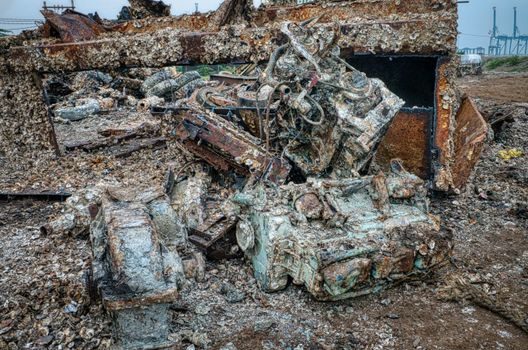
On four decision criteria, the two equipment classes separate cleanly. Cutting machines win on unit capex (typically 30-80% lower than a thermal reclamation line of equivalent footprint), floor area, and time-to-install (weeks vs months for a thermal reclamation skid), while sand reclamation wins on annual operating-cost recovery — a well-sized thermal unit can displace 5,000-15,000 t/yr of new sand purchases, which at typical 2025-2026 foundry sand prices of USD 40-90/t delivered is a far larger number than the abrasive-wheel and labor line item of a riser cutter. [S1]
Throughput units are not comparable: riser cutters are sized in castings/hr or riser necks/hr, while sand reclamation units are sized in t/h of sand processed; a 10 t/h thermal reclamation line costs roughly 8-15× what a single-station 7.5 kW abrasive riser cutter costs in 2025-2026 [S1].
Who Each Machine Is For — and Who Should Skip It
A riser cutting machine is for any foundry producing castings that solidify with a feeder head — iron, steel, and most non-ferrous alloys — and that is currently hand-cutting with abrasive saws, accepting inconsistent cut quality and a measurable injury rate; high-mix / low-volume ferrous job shops typically see ROI inside 12-18 months on a single-station hydraulic unit. [S2]
A sand reclamation unit is for foundries spending more than roughly USD 200,000-400,000/yr on virgin system sand and generating consistent used-sand volumes above ~20 t/day; below that threshold, mechanical attrition alone rarely justifies the capex, and most small foundries are better served by used-sand disposal contracts and virgin-sand bulk purchasing.
Buyers who should skip both: short-run prototype shops with fewer than ~200 t/yr of casting output, where the labor cost of manual cutting and sand landfill fees will be lower than any amortized capex line.
Real Use Cases, Failure Modes and Standards Anchors
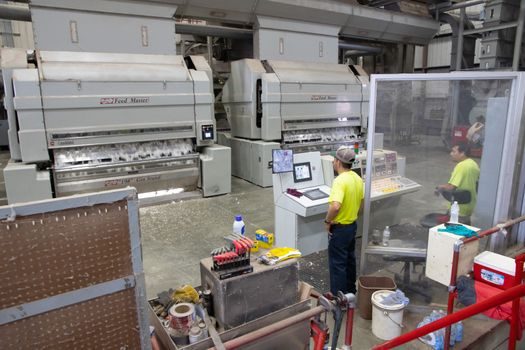
Typical riser-cutter duty cycles in mid-volume iron foundries run 200-400 cuts/hr on 50-120 mm riser necks using 400-500 mm diameter abrasive wheels at 15-30 m/s peripheral speed, with wheel change intervals of 150-400 cuts depending on steel riser hardness [S1]. The dominant failure mode is wheel glaze or bond breakdown on contaminated riser material, mitigated by automatic wheel-dressing add-ons on higher-tier units.
For sand reclamation, the dominant operating issue is binder residue build-up when the unit is fed sand outside its design LOI window; mechanical units are most tolerant of feed variability, while thermal reclamation lines demand stable pre-crushing and classification upstream, and will fail the LOI spec within hours of a feed upset. Buyers comparing unit options should request a guaranteed residual LOI figure (often written as <0.5% or <1.0% on the datasheet) rather than a vague "reclamation efficiency" percentage.
Standards anchors: abrasive cutoff machines for metalworking generally reference ISO 16089 for machine-tool safety, and dust collection on the cutting station is normally sized to the wheel manufacturer's rated particulate output; sand reclamation emissions typically fall under regional foundry-air permits and, in EU installations, the IED directive framework, though buyers should confirm the current local rule set rather than rely on generic catalog claims.
Sourcing Signals, Supply Base and 2026 Procurement Posture
Chinese cutting-machine builders continue to consolidate the abrasive-wheel riser-cutter segment, with OEM/ODM customization, sample-showroom support and shorter lead times (typically 30-60 days for bench and floor units) offered as standard [S1]. The sand reclamation unit market remains a three-tier structure — European and Japanese premium brands for thermal reclamation, Indian mid-tier for attrition and pneumatic systems, and Chinese suppliers covering the mechanical and entry-level thermal segment — and lead times for thermal units still run 5-9 months ex-works in 2026.
Buyers comparing both lines in 2026 should track two signals: the delivered foundry-sand price in their region (which drives reclamation payback math) and abrasive-wheel bonded-abrasive price moves (which drive the cutter's consumable line). The riser-cutting machine capex line is more sensitive to electrical steel and motor supply, while sand reclamation capex is more sensitive to refractory-lined thermal-calciner lead times.
For a deeper procurement framework on the sand side, the 2026 buying guide on sand reclamation throughput and cost levers breaks down the t/h sizing math and process-family trade-offs in more detail. Foundries integrating a new riser cutter into an existing shakeout and finishing line should also review shakeout machine selection and vibration-class sizing, since the cut station sits downstream of shakeout and inherits its cycle-time constraint.
For component-level specifications, see cutting machine.