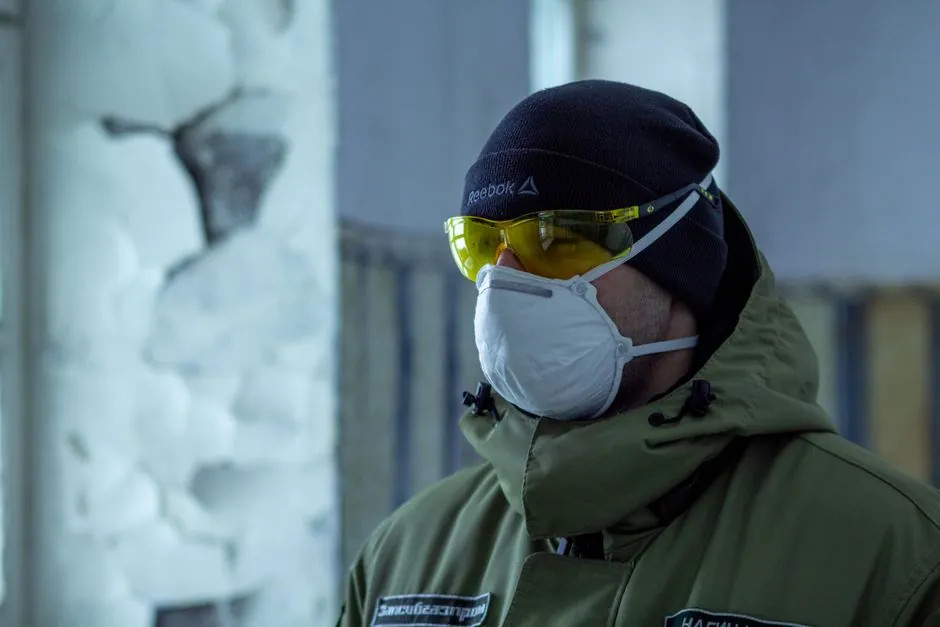
Safety glasses fit tasks dominated by frontal impact, chips, dust, and flying particles, while full goggles are the stronger starting point when a hazard can reach around the frame [S1][S2].
The decision depends on hazard direction, coverage, ventilation, and fit, with a task-specific assessment required before issuing either [S2][S3].
Start with the hazard path
Safety glasses protect the eyes from impact hazards such as flying chips, sparks, and particles, while goggles that close the gap around the eyes provide additional protection against chemical or liquid splashes and fine dust [S2].
Full goggles cover the eyes more extensively and close much of the gap between the lens and the face, making them appropriate when splash, heavy dust, irritating mist, or another exposure can approach from the sides [S1][S3]. Select the protection by the way the hazard travels, not by the most enclosed-looking product on the shelf [S3].
A face shield can protect the eyes, nose, mouth, and face from impact and splash, but it should not be treated as a substitute for compatible eye protection [S1][S5]. For spraying, chipping, grinding, or abrasive blasting, a face shield may be combined with goggles or other face protection [S5].
Compare coverage, splash control, and ventilation
Safety glasses are appropriate when the risk is a limited frontal impact and the frame provides adequate side coverage. They are less effective against chemical splashes, while properly designed chemical goggles form a liquid-proof seal around the eyes [S2][S5].
Directly ventilated goggles are listed for impact hazards, whereas non-ventilated and indirectly ventilated goggles add protection against liquid splashes, chemical exposure, and fine dust [S2]. Indirectly ventilated goggles are used for splashes, droplets, and sprays; non-ventilated goggles are used for irritating chemical mists [S2].
The practical comparison is therefore coverage versus task fit: glasses offer simpler wear for frontal impact, direct ventilation for impact-only work, and less protection against material entering around the frame; goggles provide broader coverage and splash or mist options; face shields extend protection to the full face but require supporting eye protection [S1][S2].
Match common tasks to the listed protection
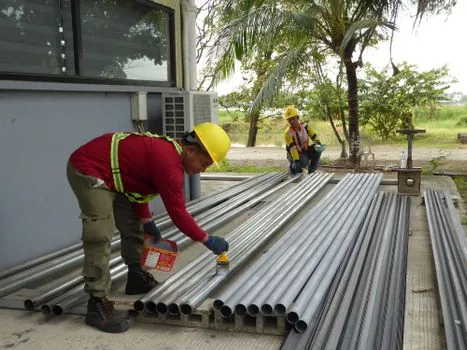
This classification is the clearest warning against treating ordinary safety glasses as chemical splash protection [S2][S5].
Know when glasses are the wrong choice
Goggles are the safer default when chemical splash, chemical mists, sprays, heavy dust, or fine particles can reach the eyes around the sides of a spectacle frame [S2][S3]. A general-purpose goggle is not automatically suitable for every chemical, particle, or process, so the lens, frame, ventilation, and intended application must match the exposure [S3].
General goggles are not a substitute for specialized protection when welding or another specialized thermal hazard is present; filtered lenses are required where injurious light radiation is possible, including welding and laser work [S3][S5]. Eye protection is also not interchangeable with respiratory protection for chemical fumes, and a face shield does not filter airborne contaminants [S5].
For workers who need prescription protection, the deciding factor remains the task exposure rather than prescription status alone. A prescription solution may be supplied as safety glasses, goggles, or another protective configuration, provided the selected product retains the protection required by the hazard assessment [S4][S5].
Fit, ventilation, and maintenance decide whether protection works

Eye protection must fit properly, including eye size, bridge size, and temple length, and each pair of safety glasses should be individually assigned and fitted [S5]. Comfortable temples, close frame positioning, and adequate nose-bridge support improve the chance that users wear the equipment consistently [S2][S5].
Ventilation is a functional tradeoff rather than a universal upgrade. Direct ventilation supports impact protection, indirect ventilation is suited to splashes, droplets, and sprays, and no ventilation is the listed choice for irritating chemical mists [S2]. Fogging, lens clarity, and compatibility with other PPE still have to be checked on the actual task [S3].
Clean protective eyewear daily according to the manufacturer’s instructions, avoid rough handling that scratches lenses, and store it in a clean, dry place [S5]. Replace eyewear that is scratched, pitted, broken, bent, or ill-fitting with identical parts from the original manufacturer so that the safety rating is preserved [S5]. These controls turn the safety glasses category from a simple impact accessory into managed PPE.
Use a five-point selection check
First, identify whether the hazard is impact, flying particles, dust, splash, chemical mist, abrasive blasting, or optical radiation [S1][S2][S3]. Second, determine whether exposure is frontal or can arrive from the side, above, below, or around the frame [S2][S3]. Third, match the protection class or product type to the task and the applicable eye-protection specification [S2].
Fourth, evaluate ventilation, fog control, lens function, and compatibility with helmets, respirators, hearing protection, or other PPE [S2][S3]. Fifth, fit the chosen product to the worker, establish cleaning and storage procedures, and replace damaged equipment with matching parts [S3][S5].
The next traceable control is the task-specific hazard assessment and PPE record: confirm the listed exposure, selected protection class, ventilation arrangement, users requiring prescription eyewear, and inspection or replacement procedure before issuing [S2][S3][S5]. The safety certification file should also record why the selected eye and face protection fits the assessed hazard.