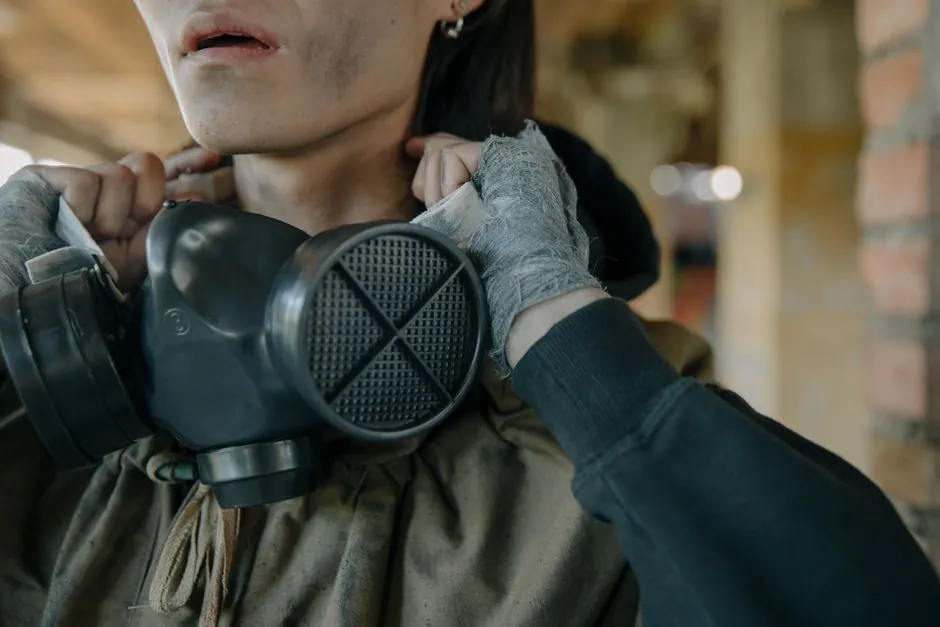
The 3M 6800 is rated APF 10 with a qualitative fit test and APF 50 with a quantitative fit test, compared with APF 10 for a half-mask [S5].
The decision starts with the hazard: a half-mask protects the nose and mouth, whereas a full-face respirator also protects the eyes and surrounding face [S2][S5].
Coverage, Protection Factor and Task Fit
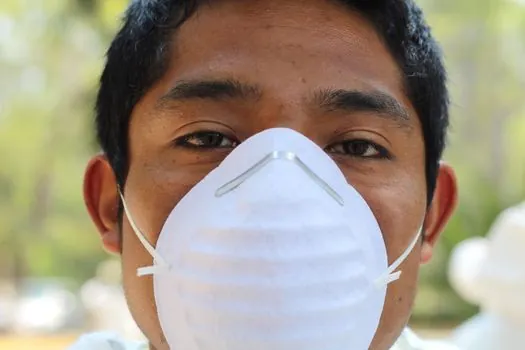
Respirator selection should follow the contaminant type, concentration, required protection level, eye exposure and workplace conditions, rather than a general preference for greater coverage [S4]. Depending on its design, a half-mask respirator can use particulate filters or replaceable cartridges for gases and vapours [S4].
A full-face respirator adds a large lens over the nose, mouth and eyes, providing integrated eye protection against applicable airborne contaminants, irritating vapours and splashes [S2][S4]. Its higher assigned protection factor can make it the more defensible choice where monitoring data, safety data sheets or the hazard assessment indicate a narrow exposure margin [S2].
The available protection-factor comparison provides a separate technical reference for evaluating the APF values behind this selection.
When a Half-Mask Is the Practical Choice
A half-mask is suitable when the primary exposure is airborne dust, mist, fume or vapour and the eyes are not exposed to the same hazard [S3][S4]. Common applications include sanding, grinding, general construction, manufacturing, maintenance and warehousing support tasks, with the filter or cartridge matched to the contaminant [S2][S4].
Its lighter construction, lower heat buildup and smaller size make it easier to wear through repetitive tasks and long shifts [S1]. It is generally less expensive than a full-face unit, and replacement components are simpler to manage [S1][S2]. A half-mask also works with most safety glasses, which makes it practical where the required eye protection is already established and compatible [S5].
The limiting condition is eye protection. A half-mask leaves the eyes exposed, so compatible safety glasses or goggles may still be necessary. Heat, moisture and movement can cause fogging or facepiece interference, while chemical splash and irritant gases may require protection beyond ordinary eyewear [S2][S5].
When a Full-Face Respirator Is Required
Full-face protection becomes the stronger option when the task can expose the eyes to liquid splash, flying particles or irritant gases and vapours [S5]. Chemical handling, painting and coating, pharmaceutical work, remediation and maintenance involving stronger vapours are common settings where the integrated lens can reduce gaps between separate PPE items [S2].
Three specific conditions favour the full-face design: chemical splash such as paint spray or cleaning agents, flying debris from cutting, grinding or chipping, and irritant gases or vapours that can reach the eyes [S5]. Safety goggles can stop splash but do not provide a gas-tight seal around the face, so they cannot replace full-face coverage for that hazard [S5].
Full-face masks may also be required when the risk calculation calls for an APF above 10. One 3M 6800 example is rated APF 10 with a qualitative fit test and APF 50 with a quantitative fit test, compared with APF 10 for a half-mask [S5]. The selected configuration still depends on the cartridge, workplace conditions and applicable fit-test method.
Filters, Cartridges and Shared Interfaces
The facepiece and filter are separate decisions. A respirator cannot be selected from its shape alone: the cartridge must be appropriate for the identified contaminant, and the chosen facepiece must meet the required protection factor [S3]. Carbon-based particulate media may suit a dust task, while identified gases or organic vapours require cartridges designed for those hazards [S4].
Within the 3M 6000 series, full-face models 6700, 6800 and 6900 correspond to small, medium and large sizes, while half-mask models 6100, 6200 and 6300 also use separate size-specific model numbers [S5].
That does not make the respirators equivalent: protection derives from the facepiece, filter and fit together, not from the cartridge alone [S5].
Fit, Work Duration and Known Failure Modes
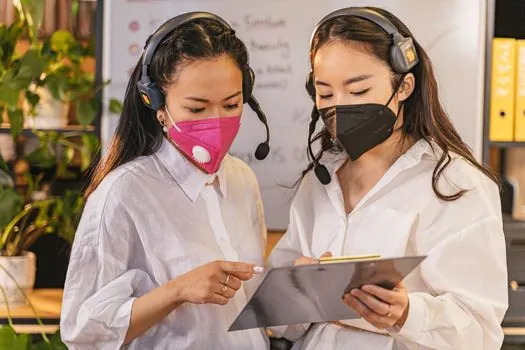
Fit is a functional requirement, not a comfort preference. A proper fit test should precede field use, and a user seal check should be performed whenever the respirator is donned [S5]. Weight change, dental work and facial hair can alter a previously successful seal, so fit must be revisited when the wearer or facepiece condition changes [S5].
Poor sealing, an unsuitable filter, incompatible eye protection or unmaintained lenses can negate the nominal advantage of a larger facepiece [S4]. Full-face visor fogging also creates an operational problem if the lens is not maintained, while half-mask eyewear may fog or conflict with the seal [S1][S2]. Neither design removes the need to match protection to the actual contaminant and exposure level.
Duration also affects acceptance. Half-masks are easier to wear through long shifts because they are lighter, cooler and less bulky [S1][S5]. Full-face units demand more from the wearer, so communication, heat, lens condition and work movement should be considered during the task trial rather than after deployment [S2][S3].
Selection Procedure and Verification Checklist
Begin with a written hazard assessment covering dust, fume, vapour, gas, aerosol, liquid splash and flying-particle pathways [S4]. Then identify whether the eyes face the same exposure as the respiratory system. If not, and the required APF is 10, a properly fitted half-mask with the correct filter can be the simpler solution [S4][S5].
If the task presents an eye hazard, the required APF exceeds 10, or separate eyewear creates unacceptable fogging and seal conflicts, evaluate a full-face configuration [S2][S6]. Confirm the facepiece size, cartridge type, supplied-air requirement where applicable, certification and fit-test method before purchase [S3].
Respirator selection should be based on the nature and level of workplace hazards, followed by hazard assessment and fit testing [S1]. For specification decisions, the respirator reference distinguishes facepiece coverage from the broader PPE system, including filters, cartridges, supplied air and eye protection.
The traceable procurement records should show the contaminant basis, selected facepiece, filter or cartridge, APF, fit-test result, wearer training and seal-check procedure. A change in concentration, chemical, task duration, eyewear or wearer facial characteristics should trigger a documented reassessment.