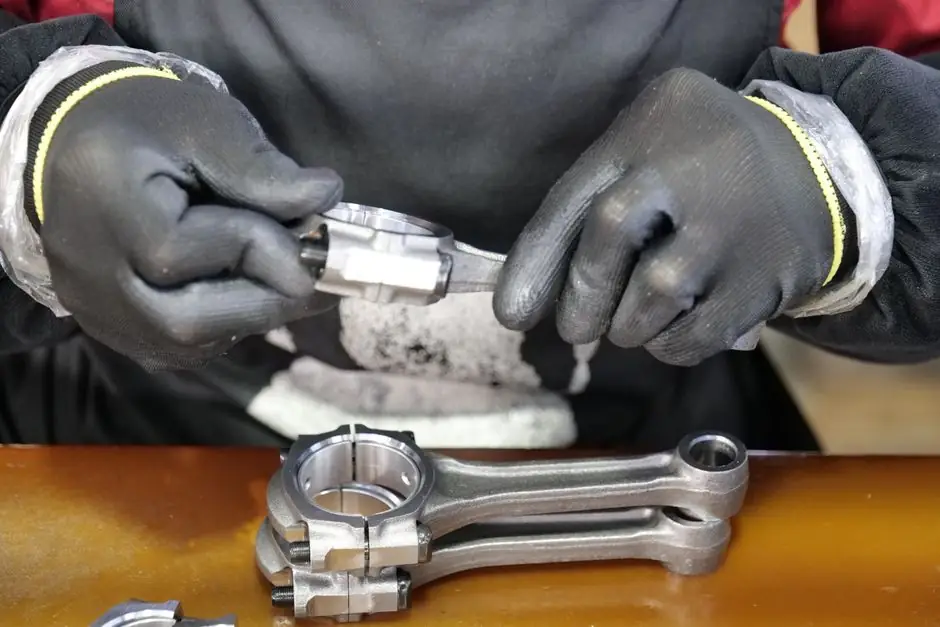
Automotive-grade iron and aluminium castings typically route through batch sand mixers sized 100-1500 kg per cycle, matched to resin binder chemistry and base sand AFS 50-70 fineness.
Foundry buyers specifying mixers for engine blocks, brake drums, knuckles, and gearbox housings treat four variables as binding: cycle time, muller or robor type, binder flexibility, and integration with an automated moulding line, per the process taxonomy published in the IQS Directory sand-casting article of June 2026 [S1].
Sand System Anatomy: Base Sand, Binder, Additive
A working sand system is a composite of silica or chromite or zircon base sand, a binder chosen for collapsibility, and additives that tune permeability and surface finish, per the same 2026 IQS reference [S1].
Common base sands in automotive moulding lines include silica (SiO2), olivine, chromite, zircon, and chamotte, with selection driven by refractoriness, reusability, and grain fineness. Binders separate into four families used across the industry: clay and water (green sand), oil (dry sand), resin (no-bake or shell), and sodium silicate (CO2 or ester hardened), all listed as standard binder types for sand-casting mould construction in the same IQS Directory reference [S1]. Green sand keeps the sand in a closed loop, while dry sand and resin-bound mixes are often reclaimed or discarded after pour, depending on the binder system and the reclaim equipment downstream of the shake-out [S1].
Additives such as cereals, iron oxide, and dextrine are dosed in low single-digit percentages to push green strength, control moisture, and improve collapsibility after pouring, with the dosage window set by the sand lab on each site rather than by the mixer vendor, per the same 2026 IQS Directory source [S1]. For an overview of how the sand mixer integrates into this stack, the encyclopedia entry maps the component to the muller, aerator, and binder dosing stations upstream of the mould line.
Mixer Type Comparison: Muller vs Rotor vs Continuous
Wheel mullers, vertical-rotor batch mixers, and horizontal continuous mixers split the automotive market, with each architecture favouring a different binder and cycle profile per IQS Directory 2026 [S1].
Wheel (muller) mixers deliver the highest compaction and are the default for green sand systems, with cycle times of 90-180 s per batch and typical batch sizes of 500-1500 kg on high-pressure flask lines feeding engine block and head production. Vertical-rotor batch mixers are the workhorse for resin-bound systems (furan, phenolic-urethane, epoxy-acrylate), with cycle times 30-90 s and 100-600 kg batches, matching the medium cadence of a no-bake loop serving heavy castings such as differential housings. Horizontal continuous mixers discharge a metered sand/binder slurry directly into the mould, suiting shell or cold-box cores at throughputs 5-30 t/h where a batch boundary is not required by the moulding machine.
For a side-by-side view of how these architectures line up against a power mixer reference, the linked encyclopedia page maps torque, tip speed, and bowl geometry to the mixing task. Foundry buyers often cross-reference the same trade-off when sizing an industrial disperser for coating pre-mix, where the same shear-rate logic applies to pigment dispersion in automotive paints, as shown in the IDA Equipment high-speed disperser reference of April 2026 [S3].
Selection Criteria Matched to Automotive Part Mix
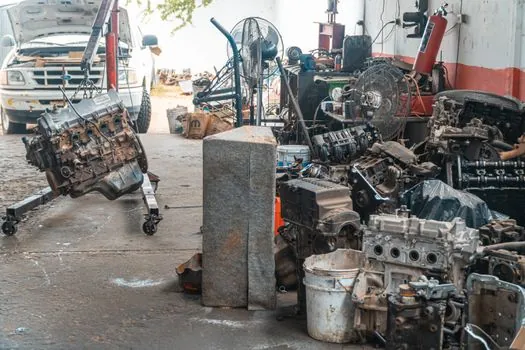
Selection is set by part weight, alloy, and required surface finish, with no single mixer architecture suiting the full automotive catalogue per IQS Directory 2026 [S1].
For engine blocks and cylinder heads in iron, the green-sand muller path dominates because of mould reusability and the ability to feed high-pressure flask lines at 120-180 moulds per hour. Brake drums and discs in iron typically use either green sand or a phenolic-resin shell mix, with the shell path chosen when the surface finish or dimensional repeatability drives a higher-grade sand.
For cores, the resin sand line reference details the cold-box and hot-box core shooters that consume the same resin-bound sand. When a buyer is sizing for a sand core line rather than the mould line, the core making machine selection map for electronics housings shows how binder-first specification ripples into the mixer spec.
Who a Sand Mixer Is For, and Who It Is Not
A sand mixer is the right specification for any greenfield or brownfield foundry line producing cast metal parts at 5-200 t per shift, per IQS Directory 2026 [S1].
It is the right tool for: ferrous foundries running cast iron and steel parts in weights 1-500 kg; non-ferrous aluminium and brass foundries producing 1-100 kg castings for chassis and drivetrain; and high-mix jobbing foundries supplying low-volume replacement parts. It is not the right tool for: investment casting or lost-wax operations, where the sand system is replaced by a ceramic shell; for high-pressure die casting, where metal is injected into a hardened steel die rather than a sand mould; or for high-volume aluminium thin-wall structural parts, where a permanent mould process often beats sand on cycle time. The same IQS Directory 2026 reference notes sand casting's specific fit for prototyping, custom components, and small-batch production, where tooling cost is the binding constraint [S1].
Throughput, Reclaim, and Integration Constraints
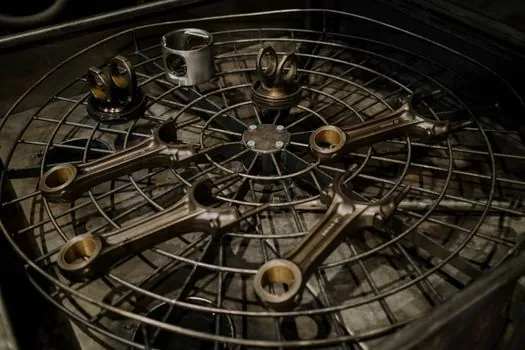
Throughput is bounded by the moulding line, not the mixer, and reclaim quality is set by attrition downstream of shake-out per IQS Directory 2026 [S1].
On a high-pressure flask line, a single 1500 kg batch muller feeding two moulding machines caps the throughput at roughly 30-40 t/h of compacted mould sand, with the bottleneck shifting to mould handling rather than mixing. On a no-bake floor, a fleet of 4-6 vertical-rotor mixers fed by an overhead sand-bin and resin dosing skid supports a 20-60 mould per day cadence, with each mixer rated by its rated batch mass and the number of mixes per shift.
Integration with concrete mixer truck-style recirculation loops is sometimes used in very large green-sand plants to keep the sand at temperature and moisture setpoint between batch and mould, though the truck and the foundry muller are physically different machines sharing a duty cycle logic. The same reclaim-side principle is reflected in the sand cooler reference, which tracks moisture and temperature to within the tight band the muller needs to deliver a consistent compactability number on every batch.
Standards, Sourcing, and Field-Proven Specs
No single harmonised standard governs the sand mixer itself, so foundry buyers specify against AFS fineness, compactability, and binder-percentage windows set by the resin supplier and the foundry's process control plan per IQS Directory 2026 [S1].
For base sand grading, AFS 50-70 is the typical band for iron and steel castings, with chromite and zircon used where higher refractoriness is required. For binder addition rates, the 0.8-1.5% mass window for furan no-bake is widely used but is not a single named standard; it is a process range that the resin vendor and foundry qualify jointly. The 2026 IQS Directory reference [S1] explicitly lists iron, steel, aluminium, brass, bronze, and magnesium as the metals tied to sand casting, which lines up with the alloy matrix the mixer spec is built around. Buyers who also specify sand blasting machine ancillary equipment use the same AFS grade and dust-content language to keep the reclaim loop consistent.