SC6 spodumene concentrate averaged US$1,140/t CIF China on November 18, 2026, within a US$1,090–1,190/t range [S1].
Recovering Australian shipments and increased spodumene shipments from Africa and Australia are improving raw-material availability for Chinese refiners, while expectations of additional mined feedstock are weighing on lithium prices [S1][S2].
SC6 Price Range and Contract Pricing
SC6 is a 6% Li₂O spodumene concentrate grade used as lithium-bearing feed for conversion into battery-grade chemicals. The November 18, 2026 CIF China assessment covered US$1,090–1,190/t, with a US$1,140/t average and a 0.9% week-on-week decline [S1].
On November 18, 2026, the SC6 spodumene concentrate price averaged US$1,140/t CIF China within a US$1,090–1,190/t range and was down 0.9% week on week [S1]. Another November 11 tracker placed SC6 at US$1,215/t after a 10% decline, illustrating that assessments differ by date and methodology rather than forming one directly comparable series [S8].
Long-term pricing assumptions are far above the November spot range. Liontown used US$11/dmt for SC6.0, based on a Bloomberg median forecast dated August 31, 2026 [S6]. SQM projected 170,000–185,000 tonnes of SC6 production for 2026 in its August 2026 presentation, exposing its realized sales price to contract lags and benchmark movement [S4].
Why Mine Restarts Are Adding Supply
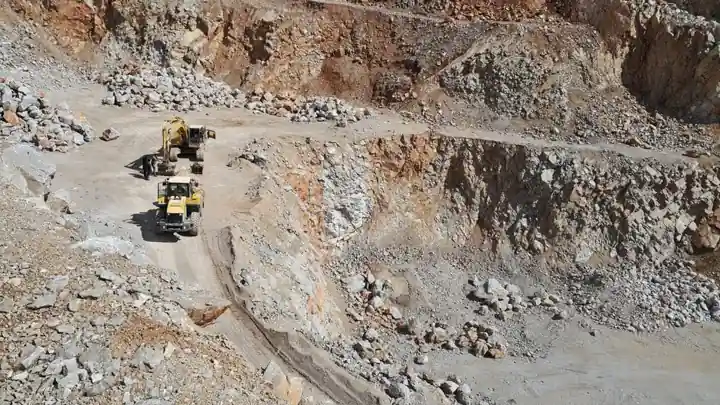
Bald Hill restarted in May 2026 after an 18-month suspension, with 165,000 tonnes per year of spodumene concentrate capacity [S2][S5]. Shipments from Australian mines continued to recover gradually during the week [S1].
China supplied the clearest restart pipeline. The environmental impact assessment for Jianxiawo was approved on October 30, 2026, and authorities issued a notice of intent to accept the EIA for the Shuinan project in Yifeng County, Jiangxi [S1]. The Jianxiawo lithium mining project received environmental-impact-assessment approval on October 30, strengthening expectations that the mine will resume operations and ramp up output [S1].
Additional production is also coming from new and expanded operations.
Restart Options Compared by Capacity and Lead Risk
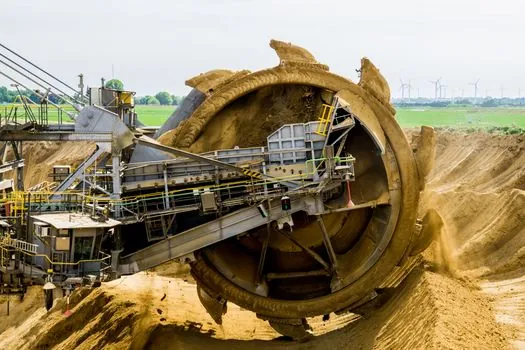
Bald Hill offers an immediate Australian supply option because it had already restarted in May 2026 and carries 165,000 tonnes per year of concentrate capacity [S2][S5].
Jianxiawo and Shuinan are earlier-stage Chinese options because their regulatory milestones had progressed to EIA approval or public notice by November 2026 [S1]. Jianxiawo received environmental-impact-assessment approval on October 30, while authorities issued a public notice of their intent to accept the EIA for the Shuinan lithium mining project [S1].
Sal de Vida, Fénix 1B and Cauchari-Olaroz are expansion options rather than restart candidates. Their disclosed additions total 15,000, 10,000 and 45,000 tonnes per year of LCE respectively, but those brine-based capacities cannot be compared directly with SC6 concentrate tonnes because one is measured as ore concentrate and the other as lithium carbonate equivalent [S2].
Demand, Inventories and Price Support
Weak EV demand is the central counterweight to new mine supply.
Lithium carbonate reached US$12,850/t on November 17, 2026, down 43% from June 2026 and well below its May peak of US$24,430/t [S2]. The November 18 battery-grade carbonate assessment was RMB 86,000–90,000/t, averaging RMB 88,000/t and falling 1.4% week on week [S1].
Margin protection may limit further downside. Margin-sensitive Chinese refineries may be reluctant to supply the market at lower lithium prices [S2]. Reluctance among margin-sensitive Chinese refineries to supply at lower prices could halt the lithium-price decline [S2].
Contract Structure and Cost Drivers
SC6 purchase cost is driven mainly by concentrate grade, delivered location, restart volume, contract timing and freight exposure.
Contract timing can dominate realized price. MinRes assumed US$2,700/t SC6 when projecting payback of under one year for Mt Marion, which was well above both the November 18 average of US$1,140/t and the November 23 index of US$1,185/t [S1][S3][S7]. The gap shows why high-price project economics do not guarantee attractive returns at spot levels.
Total cost of ownership must include mining, beneficiation, freight, insurance, restart expenditure, inventory financing and refining conversion. Restarted mines can spread fixed processing and site costs over more tonnes, while weak demand raises working-capital risk because downstream buyers are limiting purchases to immediate needs [S1][S5].
Constraints, Export Risk and Monitoring Signals
Zimbabwe’s January 2027 implementation timetable for local beneficiation and processing requirements remains unchanged, leaving uncertainty over ore exports and export quotas [S1]. Chile provided a partial offset: lithium salt exports reached 23,300 tonnes in October 2026, up 17% month on month, with exports to China increasing 6.5% to 14,300 tonnes [S1].
The main downside signal is confirmation of Jianxiawo’s restart and a December inventory build, because both would validate the shift from restricted feedstock to looser supply [S1]. The main upside signals are stronger EV production schedules, sustained utility-scale storage orders and evidence that refiners are withholding enough material to tighten domestic carbonate availability [S1].
For procurement and planning, track the CIF China spot range, Chinese EIA milestones, Australian shipment recovery and contract reset dates together. A headline mine-restart announcement does not establish delivered SC6 supply, while a spot-price move does not reveal the price embedded in a multi-year contract.