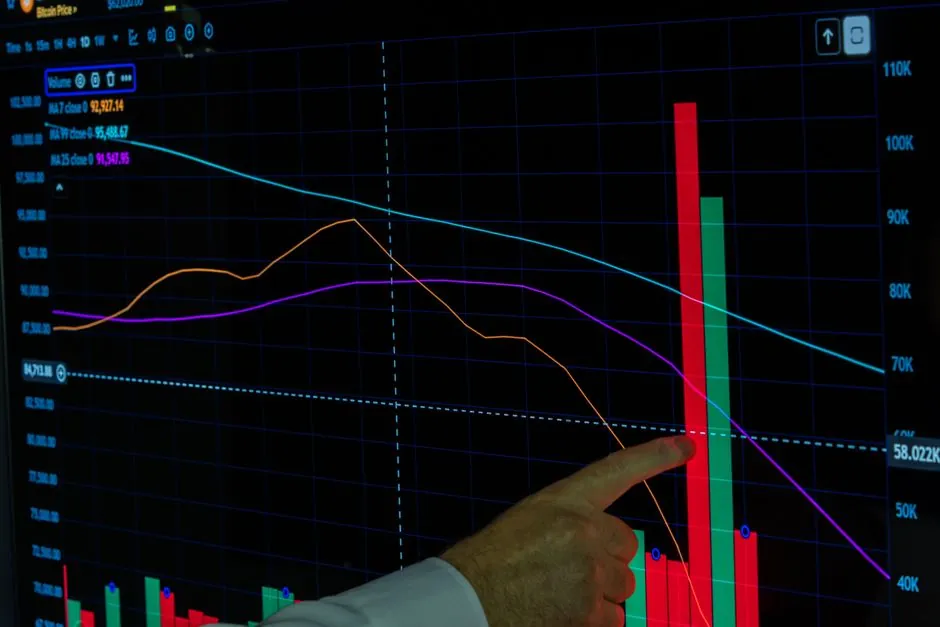
U.S. solar module imports face a $0.38/W minimum import price plus a 15% ad valorem tariff from December 4, 2026, lifting landed module costs above the mid-20-cent-per-watt pricing cited for quality panels [S1][S4].
The rule covers raw polysilicon, ingots, wafers, cells and modules, with minimum prices of $21/kg, $100/kg, $0.22/W and $0.38/W respectively, while domestic module output still falls well below U.S. demand [S1].
What the Solar Module Price Floor Changes
The August 6, 2026 proclamation established product-specific minimum import prices for the solar supply chain, with raw polysilicon at $21/kg, ingots and wafers at $100/kg, cells at $0.22/W and finished modules at $0.38/W [S1].
Covered imports also face a 15% tariff, with minimum import prices established for polysilicon, wafers, cells, and modules. The measures take effect for covered entries on December 4, 2026 [S1][S4].
Quality imported modules were landing in the mid-20-cent-per-watt range, so the $0.38/W floor represents roughly a 50% panel-level increase before considering the separate 15% tariff [S4]. For an 8 kW residential array, the module-price difference alone is about $1,000, although that calculation excludes inverters, racking, wiring, labor, permitting and interconnection [S4].
Why Producer Losses Are Uneven Across the Chain
A $0.38/W module floor does not automatically create a $0.38/W profit margin. The rule raises the lawful import price while domestic factories still compete with imported products whose manufacturing economics may be closer to the floor than the previous mid-20-cent market price [S1][S5].
The cost burden is concentrated at different conversion stages: raw polysilicon is protected by a $21/kg floor, ingots and wafers by a $100/kg floor, cells by $0.22/W and modules by $0.38/W [S1]. Over 90% of the cells used in U.S.-assembled panels are still imported, so U.S. module production remains exposed to the cell minimum and applicable tariffs.
Domestic assembly offers limited shelter because more than 90% of cells used in U.S.-assembled panels were still imported [S4]. A “Made in USA” label therefore does not automatically remove the exposure when the cell or wafer supply remains imported.
Price Floor Versus Production Cost
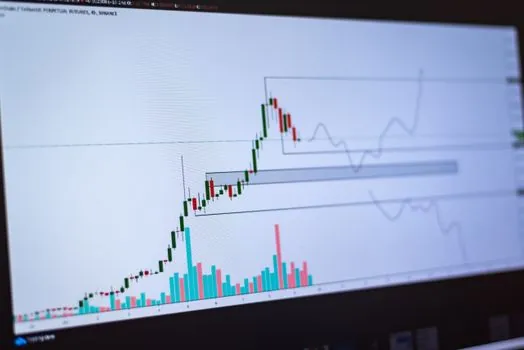
The policy framework compares module types by landed cost, tariff exposure and production location: imported finished modules face the $0.38/W floor, imported cells face $0.22/W, U.S.-assembled modules may contain imported cells, and fully domestic production avoids import duties but requires substantially more manufacturing capacity [S1][S4].
One requirement captures the mechanism directly: “if the declared value of a good is less than the applicable MIP, a fee equivalent to the difference will be applied” [S1]. This makes the minimum a reference price for border treatment rather than a guaranteed market-clearing price for domestic production.
Producer economics still depend on yield, cell and wafer input costs, factory utilization, labor, depreciation and freight. The available research quantifies border measures rather than company margins, so it does not establish that any named manufacturer operates at a loss under the $0.38/W floor. Loss risk instead comes from the gap between realized selling prices and cash production costs, especially during the period in which domestic output cannot satisfy demand [S1].
Cost Drivers Beyond the Module Tariff
Tariffs are one price driver, not the complete installed-system cost. Module price floors affect the equipment line directly, while inverters, racking, wiring, labor, permitting and interconnection remain separate installed-cost categories [S4][S5].
China's elimination of its photovoltaic export VAT rebate is cited as one of the factors contributing to solar panel prices being 10–15% higher in 2026. Separate AD/CVD tariffs on Southeast Asian cell imports range from 25–75%, depending on the country of origin.
Tariffs, China's VAT rebate elimination, and FEOC manufacturing rules are contributing to solar panel prices being 10–15% higher in 2026.
Who Benefits and Who Carries the Risk
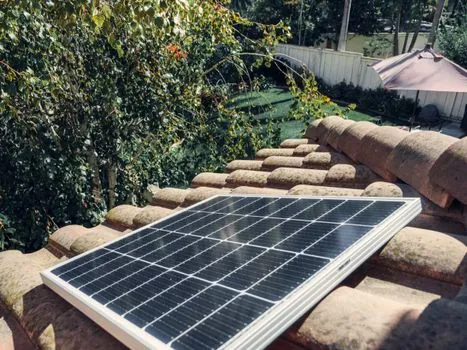
The measures strengthen the competitive position of U.S. manufacturers, but domestic capacity remains insufficient and will require further build-out. Imported-module buyers face the clearest near-term price shock, particularly where quality modules were previously priced in the mid-20 cents per watt [S4].
U.S. assemblers sit between these positions. They can compete for the same domestic demand protected by the rule, yet more than 90% of their cells remain imported, so their economics still carry the cell floor and associated duty exposure [S4]. The policy is not a good fit for buyers treating modules as interchangeable commodities, because origin, cell content, declaration value and production timing can change the total compliance cost.
This structure also differs from the broader cost pattern discussed in Prepainted Steel Price 2026: Cost Drivers and Buyer Strategy. Steel prices are driven by metal inputs and conversion, while solar modules face a border mechanism that can override the prior low price of the finished product.
Total Cost, Timing and Compliance Checks
For project economics, the relevant comparison is the landed module cost plus balance-of-system costs, financing and installation. The $0.38/W floor increases the module input, but it does not double the installed system price because racking, inverters, wiring, labor, permitting and interconnection remain separate line items [S4][S5].
Buyers should separate equipment entered before December 4, 2026 from covered imports entered on or after that date. Equipment purchased and installed before the effective date is outside the new rule, while an order placed earlier but entered later can still face the floor and 15% tariff [S4].
Producers and developers should document module origin, polysilicon content, cell and wafer origin, declared customs value, entry date and whether the item is raw polysilicon or a downstream derivative. Those records determine which minimum applies and whether the MIP difference or the 15% ad valorem charge has been paid. The Commerce secretary may also adjust the initial minimum prices to reflect market conditions [S1].
Signals for Producer Margins

The first signal is the gap between the $0.38/W floor and the mid-20-cent-per-watt import pricing cited before the rule; that spread indicates how much of the market price is policy-supported rather than producer margin [S1][S4]. The second is domestic module output against U.S. demand, because the Global Solar Installations Set to Fall to 584 GW in 2026 outlook and U.S. capacity gap determine whether manufacturers can convert protection into volume.
The third signal is effective enforcement after December 4, 2026: whether customs collection, MIP adjustments and compliance scrutiny lift actual transaction prices above the floor. Producer-loss assessments should track realized module prices, cell and wafer procurement costs, factory utilization and domestic capacity additions rather than treating the statutory $0.38/W value as an automatic loss threshold.