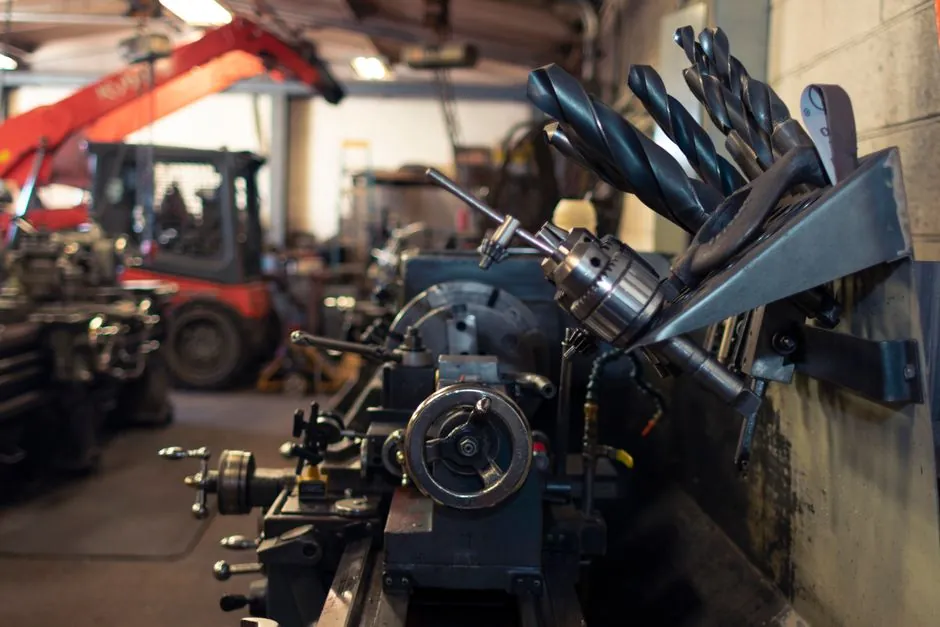
A hot chamber die casting machine suited to a small precision zinc part should provide rapid cycles, repeatable injection control, adequate clamping force and a die platform matched to the projected part area.
This selection applies to small, intricate zinc components made in single-cavity or multi-cavity dies, where the submerged gooseneck feeds molten metal directly into the cavity and reduces manual metal handling [S1][S2].
Hot Chamber Scope for Precision Zinc Parts
Hot chamber die casting keeps the molten metal in an integrated machine pot and injects it through a submerged gooseneck, making the process suitable for small to medium components with fine features and short cycles [S1][S2].
The hot chamber die casting machine is normally selected for zinc, lead, tin and selected magnesium alloys because their lower melting temperatures are compatible with the heated metal delivery system [S1][S4]. The gooseneck functions as a submerged feed conduit that sits directly in the molten-metal bath [S4].
Hot chamber die casting is suitable for zinc, lead and tin-based alloys because these materials have lower melting points [S1]. For zinc, hot chamber casting supports fine geometry, thin walls, tight tolerances, repeatability and reduced post-casting operations, including in-die gating and automatic part separation where the die is designed for it [S2][S5].
Machine Size Starts with the Die Envelope
Nominal die dimensions provide the first machine-size screen, with listed examples spanning 63.5 × 63.5 mm for a 22 Techmire, 101.6 × 101.6 mm for a 44 machine, 160 × 160 mm for a 66 machine and 205 × 255 mm for an 88 machine [S5].
Do not select the machine from the finished-part dimensions alone. Account for the complete die footprint, runner system, gating, overflows, slides, ejector arrangement and required die-clearance movement. A small part can require a larger die platform when multiple cavities, side actions or a large runner are used, while a large projected-area part can require a larger frame than its net weight would suggest.
The 44LCX is a fully automatic, multiple-slide hot chamber die-casting machine for high-precision casting of zinc and lead alloys, while the 24NTX is intended for high-speed casting of small, precision components in multi-cavity dies [S3]. Slide count matters when the geometry needs vertical cores, transverse actions or other movements that cannot be produced by a simple split die.
Clamping Force, Shot Size and Die Balance

Clamping force must cover the projected cavity area and the pressure imposed on the die, not merely the zinc weight entering the cavity. The available 44LCX reference machine has a stated clamping force of 22 tons, or 20 metric tons, while the 24NTX model is positioned for small, precision components in multi-cavity dies [S3].
The comparison below organizes the main machine-size options by the production evidence supplied for each class [S3][S5].
Confirm the exact model configuration before comparing suppliers because nominal die size, clamp rating, slide arrangement and production specification are not interchangeable machine attributes [S3][S5].
Cycle Speed and Production Fit
The 24NTX model achieves a stated dry cycle speed of 4,500 cycles per hour, equivalent to 75 cycles per minute, making it a concrete benchmark for high-speed small-part production [S3].
Dry cycle speed is not the same as good-part output. The production rate must also allow for cavity fill, solidification, die opening, ejection, machine motion and any out-of-machine trimming or finishing. Multi-cavity tooling can raise output per cycle, but only if every cavity fills consistently and each part meets inspection requirements.
Hot chamber is particularly suitable when the program needs rapid cycles, fine features, thin walls and reduced metal waste. Dynacast offers hot chamber die casting as one of its die-casting technologies for aluminum, zinc and magnesium applications [S2].
Slide Motions and Automation for Intricate Parts
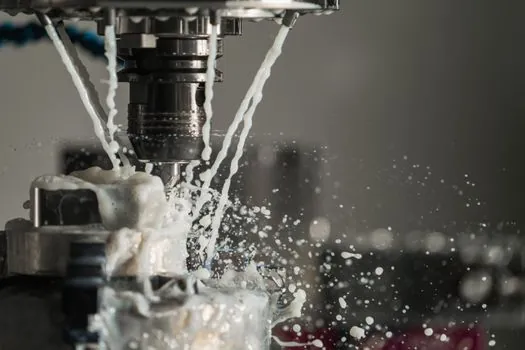
For a small precision part, specify slide motions from the geometry rather than from the machine brochure. Identify every undercut, side core, return-pin feature and directional withdrawal requirement, then assign each action to a machine slide.
Automation should follow the production plan. The 24NTX reference class is designed around multi-cavity high-speed output [S3], while one listed zinc machine includes an operator-side extractor and spray combination, one inclined belt conveyor and a 24 in × 10 ft steel-mesh scrap conveyor [S7]. Such downstream handling is useful when runners and gates leave flash or require trimming, but it does not replace in-die gating or automatic separation [S5][S7].
Who Should Not Choose the Mainstream Hot Chamber Option
Do not choose a standard small hot chamber machine for a part requiring a conventional high-temperature aluminum alloy, a very large projected area, or an unusually large shot beyond the machine envelope. The process is optimized for low-melting alloys, and the aluminum thermal constraint is fundamental rather than a preference [S2][S4].
Do not select on the 4,500 cycles per hour benchmark if the part cannot be ejected safely, if the die does not fill repeatably, or if the required machine motion consumes the available cycle. A fast dry cycle cannot compensate for unstable shot volume, porosity, flash or variation between cavities. For these reasons, an aluminum die casting machine or a larger cold chamber machine is the appropriate comparison point.
Likewise, a machine with inadequate clamp force, limited injection pressure control or too few slide motions is unsuitable even if its advertised cycle rate is favorable. The shot sleeve and gooseneck functions differ by process, so cold chamber components should not be treated as interchangeable hot chamber specifications.
Alloy, Tooling and Process Controls
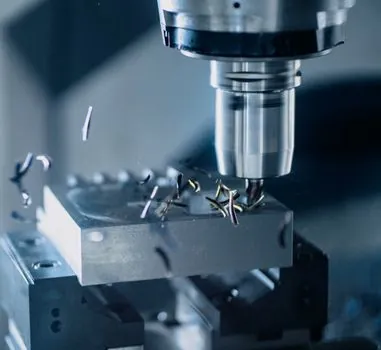
Zamak zinc alloys are the principal hot chamber material, and their low melting point supports rapid injection and short cycles [S4]. Tooling, melt condition and injection control must be matched to the selected alloy because a machine name alone does not define acceptable casting quality [S1][S4].
The gooseneck operates in two stages: plunger retraction admits molten metal into the chamber, and plunger advance closes the intake and forces metal through the gooseneck into the die cavity [S4]. A 44-class zinc machine is described as using closed-loop shot profiling for repeatability, while the 66NTX and 1212NTX families use parting-line injection for specific tooling requirements [S3][S5].
Specify at least die and machine fit, shot-weight limits, injection pressure and velocity control, clamping force, slide count, cycle time, heating and cooling provision, lubricant application, takeout, trimming, part counting and process monitoring. These checks turn a machine brochure into an equipment-selection basis rather than a comparison of generic machine names.
Purchase Decision and Shortlist Logic
For a small precision zinc part, the defensible shortlist starts with the 24NTX-class machine when multi-cavity output and a 4,500 cycles per hour dry-cycle benchmark fit the geometry [S3].
Move to the 44 class when the 101.6 × 101.6 mm nominal die platform and higher-pressure, closed-loop shot profiling are required [S5]. Choose the 66 class when the 160 × 160 mm platform or expansion from two slides to eight motions is necessary [S3][S5]. Reserve the 88 class for a 205 × 255 mm die or a mix of large single-cavity and multi-cavity work [S5].
The final selection should close on three records: a dimensioned part and die package, a machine configuration with rated force and motion limits, and a production trial demonstrating repeatable filled weight, dimensions and defect levels. For process-control detail, hot chamber die casting injection pressure is the relevant companion reference, while trial acceptance limits should be agreed from the actual part drawing and quality plan.