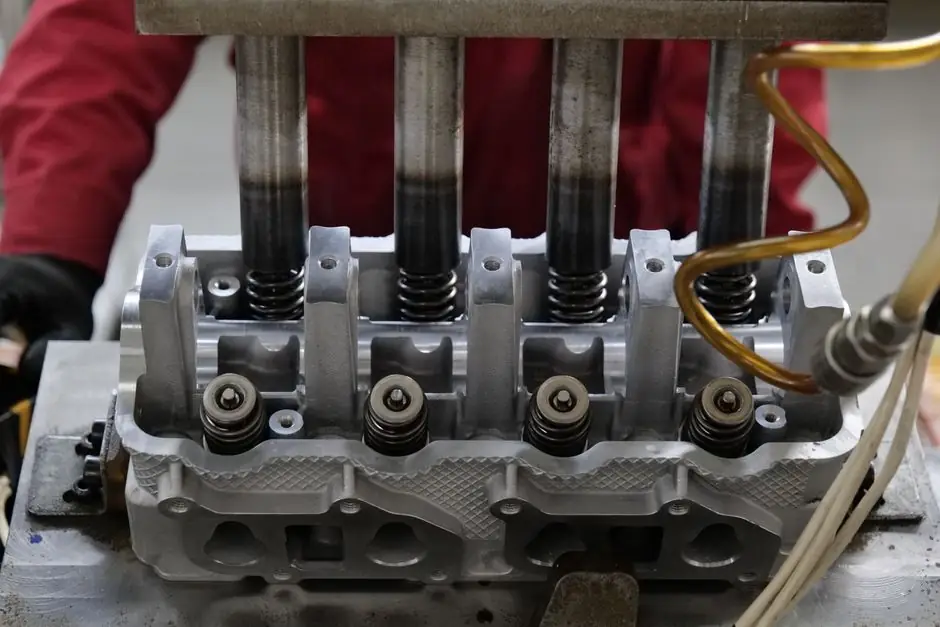
A hot chamber die casting machine is the practical choice for small, intricate zinc and compatible magnesium components because it keeps molten metal in an integrated furnace and gooseneck, supporting rapid cycles and continuous metal flow [S1][S3].
Zinc is the easier general-purpose hot-chamber application; magnesium requires tighter control of chemistry, melt temperature, oxidation, safety, and gooseneck or shot-system compatibility, so the machine and alloy supplier must approve the final combination [S2][S4][S8].
Hot chamber versus cold chamber selection
Hot chamber equipment combines the furnace, reservoir, and injection system in one machine, allowing molten zinc or magnesium to move directly through the gooseneck into the die. By contrast, a cold chamber machine receives metal by ladling from an external furnace and is the normal arrangement for higher-melting-point aluminum [S3][S5].
The decision is not simply metal density. It is the combination of melting behavior, alloy aggressiveness, component mass, tooling requirements, and production rate. Zinc and magnesium both have lower melting points than aluminum, but a magnesium program still requires a process review because oxidation and gooseneck exposure can be decisive [S4][S6][S8].
Cold chamber casting can also process magnesium. Magic Precision operates both hot-chamber and cold-chamber magnesium machines, confirming that hot chamber is not the only technically viable magnesium route [S2]. Use hot chamber where its integrated melt supply and fast cycles fit the product, and use cold chamber where component size, alloy behavior, or validated process control favors an external furnace [S2][S5].
Compare zinc and magnesium on four criteria
Alloy compatibility favors zinc for straightforward hot-chamber adoption. Zinc, lead, and tin are explicitly listed among the lower-melting-point materials suited to hot chamber machines, while magnesium is also used but requires tighter process control [S4][S5].
Cycle rate and automation generally favor the integrated hot-chamber arrangement. It provides a ready molten-metal supply, supports faster production of small parts, and enables continuous metal flow for automation [S1][S5]. Dynacast lists Multi-Slide Die Casting and Hot Chamber Die Casting as separate die-casting technology offerings [S1].
Part geometry favors both alloys when the component is small, intricate, thin-walled, and produced in high volume. Hot chamber capability is suited to fine features and small-to-medium components, while zinc castings can be produced as net-shape, flash-free parts with low unit cost and relatively low tooling investment [S1][S2][S4].
Oxidation and material safety favor zinc when the product does not require magnesium's physical characteristics. FRECH states that hot-chamber magnesium die-casting machines deliver components with reduced oxidation and minimal post-casting processing [S4].
Select the machine by component and production requirements
Start with the finished part, not the alloy label. The research supports hot chamber for small and intricate zinc or magnesium parts, thin walls, repeatability, reduced metal waste, and production volumes that justify permanent tooling [S1][S4]. For a hot chamber machine, the inlet furnace, dosing system, gooseneck, nozzle, and plunger form a continuously operating molten-metal system and cannot be treated as interchangeable with cold-chamber equipment [S5][S9].
Establish three dimensional envelopes before comparing suppliers: maximum finished-part mass, projected shot mass including runner and overflow, and the die's required projected area. The available evidence does not provide a universal tonnage or shot-capacity table, so any machine proposal must state its clamping capacity, maximum shot size, platen dimensions, stroke limits, and pressure range against those three values. The separate check of shot capacity versus clamp tonnage is covered in Die Casting Shot Capacity vs Clamp Tonnage.
For zinc, a standard hot-chamber configuration can be evaluated first. For magnesium, require the machine builder to approve the exact alloy family, including whether the gooseneck, plunger, and wetted components are suitable for that chemistry and temperature [S4][S8]. FRECH offers separate zinc, lead, and magnesium machine references, which confirms that alloy-specific machine selection is more rigorous than treating one hot-chamber configuration as universal [S4].
Design tooling, controls, and safety around the alloy
Tooling must manage solidification, filling, venting, and dimensional repeatability. A hot-chamber die contains a fixed die and movable ejector die forming the cavity, with cooling passages inside the mold and a plunger driving metal into the cavity [S5]. The shot sleeve and related wetted parts also need material and coating compatibility, particularly in magnesium service.
For zinc, a closed pot and automatic dosing can reduce manual handling and support repeatability. For magnesium, specify closed-loop temperature control, melt chemistry limits, dosing practice, protective atmosphere where required, oxidation monitoring, and a defined response to a failed shot [S4][S9]. Do not infer a safe operating temperature from general descriptions of low-melting-point alloys. The exact temperature belongs to the approved alloy specification and must be reconciled with machine and die limits before trial.
Magnesium safety planning should cover the molten-metal hazard, combustion risk, operator exposure, ventilation, compatible handling tools, extinguishing provisions, and the plant emergency plan. The research supports identifying magnesium as a special hot-chamber application, but it does not supply a universal standard or numerical safety interval, so the machine supplier, alloy supplier, and local competent safety authority must approve the final controls [S2][S4].
Know the process limits and failure modes
Continuous metal exposure creates the principal hot-chamber failure paths. For magnesium, oxidation can contaminate the melt or react with machine components; the closed system reduces exposure to air, but it does not eliminate the need for alloy-compatible wetted parts and operating discipline [S4][S8].
Short shot, incomplete fill, porosity, and dimensional variation remain possible if melt temperature, dosing, injection pressure, venting, or cooling is not controlled. Dynacast identifies reduced porosity, faster cycles, tighter tolerances, and longer die life as potential benefits of the hot-chamber process, but these outcomes depend on the product and process, not on chamber type alone [S1].
Machine selection should include a planned trial using representative tooling. Verify shot repeatability across a production run, first-piece dimensions, pressure and temperature stability, die thermal behavior, runner formation, venting, and post-casting surface condition. For magnesium, add melt chemistry and oxide-control checks. For zinc, add flash, fill, and dimensional checks. Any claim of a 10-cycle-per-minute production rate requires a model-specific cycle-time definition and product-level validation [S1].
Use supplier data and standards during sourcing
Issue the RFQ as a controlled data request, not a general machine inquiry. Require the supplier to state clamp capacity, platen dimensions, minimum and maximum shot mass, injection pressure, stroke rates, furnace working volume, melting capacity, heater capacity, control architecture, gooseneck material, plunger material, nozzle size range, cooling-medium requirements, die dimensions, warranty, spare-parts availability, and documented acceptance tests. [S2]
For zinc, identify the exact alloy and delivery condition rather than saying only "zinc." For magnesium, identify the alloy family and require written confirmation that the furnace, gooseneck, plunger, and other wetted components are approved for it [S4][S8].
Quality expectations should be tied to recognized die-casting practice and drawings. Magic Precision states that it uses NADCA standards for die-casting design and manufacturing, demonstrating a practical reference framework for specification language [S2]. Do not assign dimensions or tolerances from this article alone; derive them from the part geometry, material behavior, die design, and the governing drawing [S2].
The final purchase order should separate machine acceptance from product qualification. Machine acceptance confirms safe and repeatable machine function, while product qualification confirms fill, density integrity where required, dimensions, surface condition, and process capability for the specified component [S1][S4].
A traceable next step is to complete an alloy-and-part matrix covering zinc versus magnesium, part mass, projected shot mass, projected area, annual volume, geometry, surface requirement, and validation method, then request model-specific machine proposals with operating envelopes and magnesium compatibility statements [S1][S4][S9].