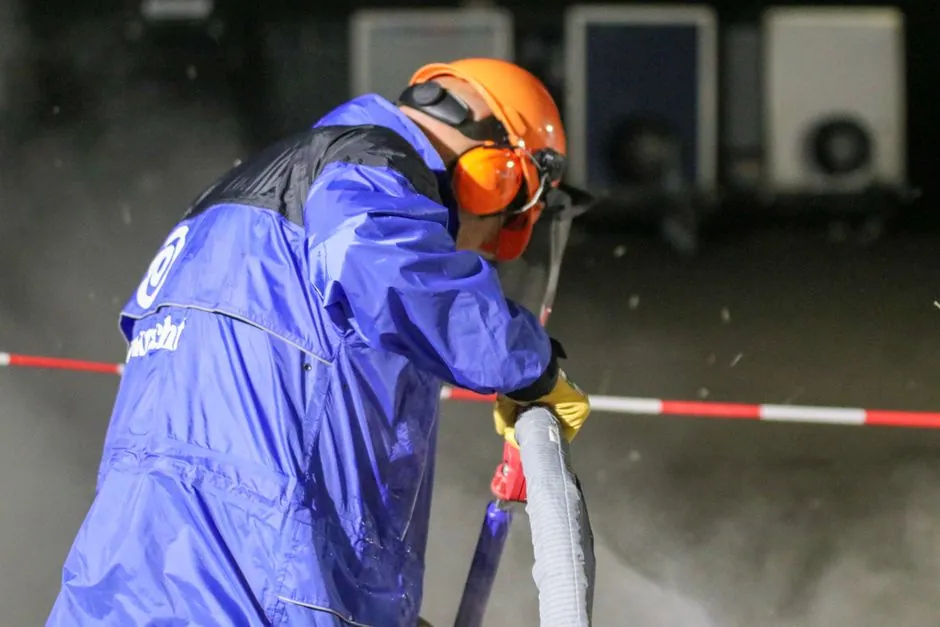
Glass beads, plastic, aluminum oxide, silicon carbide, steel shot, and steel grit serve different cleaning, peening, and coating-preparation duties, with particle size and shape determining cut rate and final surface texture.
The correct choice depends on 5 variables: substrate condition, coating or deposit to remove, required finish, available blasting equipment, and operator exposure; hard angular media remove faster but can etch the substrate and wear nozzles and blast-room components faster [S2][S4].
Media selection starts with substrate and removal target
If a surface may not tolerate an abrasive medium, start with a gentler option such as walnut shells or corn cobs, which will not etch softer surfaces such as wood.
Aluminum oxide is sharper and more aggressive than glass bead, making it suitable for paint stripping, deep etching before coating adhesion, general cleaning, and hard surface preparation [S1][S3].
Walnut shell and corn cob are gentler, biodegradable options for wood and other soft surfaces that must not be etched [S3].
Compare media by aggression, profile, and durability
Particle size sets removal speed and profile
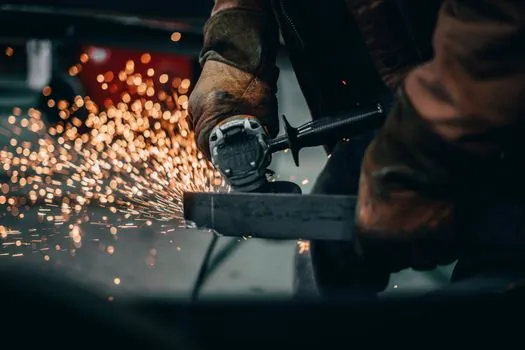
Match media to machine and operating method
Media shape and size must match the blasting system because a sand blasting machine must meter particles consistently through the nozzle, pot, feed system, and recovery separator. For wet blasting, the abrasive must sink in water and remain insoluble; dirty material or inconsistent particle size can cause sputtering and clogging [S5].
When evaluating a shot blasting machine, distinguish spherical shot from angular grit rather than treating both as interchangeable steel media; their cut rate, peening action, and resulting profile differ [S3].
Walnut shell and corn cob are biodegradable, but the media still require controlled handling because dust generation, feed behavior, and waste disposal remain part of the operating decision [S3].
Do not substitute play sand for graded industrial abrasive. Play sand is not controlled or graded to industrial requirements, can behave unpredictably, and is commonly labeled unsuitable for sandblasting [S5].
Use application zones to prevent substrate damage
Glass beads can provide a smooth, bright finish while placing minimal stress on the surface material.
Aluminum oxide is an extremely sharp, consistent, and long-lasting abrasive that is suitable for surface preparation, paint stripping, and deep etching to support coating adhesion and performance.
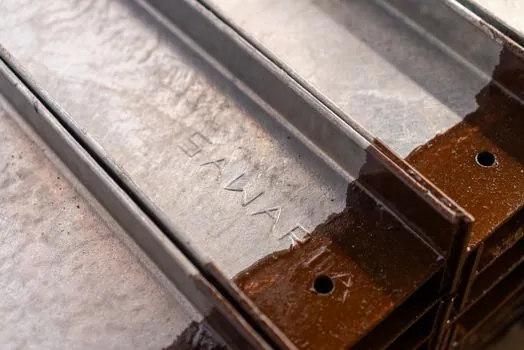
Steel media is the practical choice for high-duty work on steel, including rust, paint, and scale removal, while spherical shot is better suited to peening gears, springs, and turbine blades [S1][S3]. For comparisons of the resulting finishes, see Sand Blasting vs Shot Blasting Surface Finish Compared.
Heavy grit is better suited to hard coatings, whereas lighter materials such as nut shells are suited to softer surfaces and cleaning [S8]. Start with the gentler option when substrate tolerance is uncertain, then escalate only after checking the result [S7].
Cost includes media, equipment life, and exposure
Glass bead can be reused as many as 100 times in suitable service [S3]. Aluminum oxide is also recyclable, while steel shot and steel grit are durable, recyclable products [S1]. The lowest purchase price per kilogram therefore does not establish the lowest cost per treated part.
Compare 3 cost drivers: media consumption, nozzle and equipment wear, and labor required to correct etched or over-processed parts. Aluminum oxide and silicon carbide can increase wear on blasting-system components [S1], while plastic may take longer on soft materials [S1].
Material selection also affects exposure controls. Silica-containing sand is associated with serious respiratory risk, so specifying an approved alternative matters alongside dust extraction and operator protection [S3]. Plastic generates very low dust, walnut shell is biodegradable, and glass bead is reusable, but none removes the need for enclosure, filtration, and suitable respiratory protection [S1][S3].
Validate with a controlled blast trial
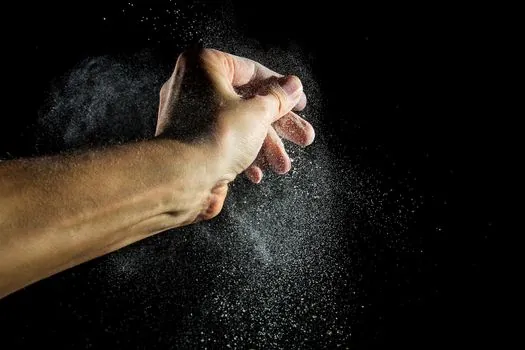
Begin with the least aggressive media that can remove the target coating within the production cycle, not necessarily the most aggressive media available [S7]. Record the media grade, substrate, removal time, coating condition before blasting, and final anchor profile.
For a repeatable trial, compare at least 2 media on representative coupons, using the same nozzle distance, angle, pressure, and blasting duration. If removal is slow, change one variable at a time: move from round to angular media, select a coarser grade, or increase equipment aggressiveness.
A sound media specification names the substrate, coating or deposit, required removal rate, acceptable profile, particle grade, delivery method, and downstream coating system. This converts a general statement such as “use sand” into a controlled process that can be reproduced, monitored, and corrected without replacing a sound abrasive with an ungraded material.