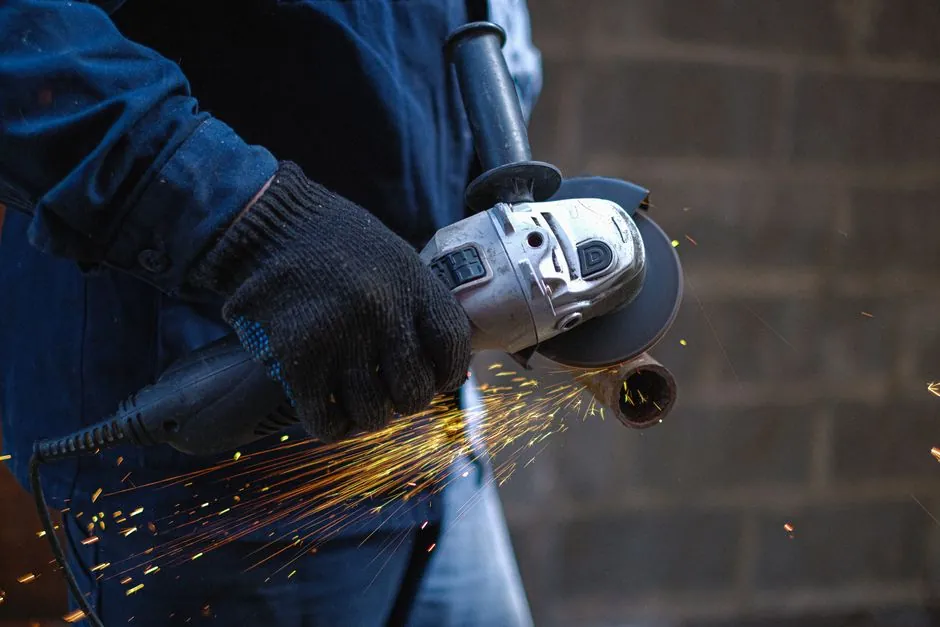
For routine glass handling, start with an ANSI/ISEA 105-2024 cut rating matched to the edge exposure, task severity, and frequency, not with a universal glove grade.
Glass work can involve sharp sheet edges, shards, heavy panes, chemicals, and pinch points, so cut resistance must be evaluated alongside dexterity, grip, puncture protection, and handling method.
What the ANSI Cut Level Measures
ANSI/ISEA 105-2024 uses a nine-level scale, A1 through A9, to indicate how well a glove withstands blade cutting, with A4 representing 1,500 to 2,199 g of measured cutting force [S1]. A4 is classified as medium protection, while the broader A4-A6 range is associated with medium-duty work involving 1,500 to 3,999 g [S1][S6].
The level describes laboratory performance against a standardized cutting load. It does not certify that a glove is cut-proof, and it does not automatically establish suitability for glass, chemical contact, puncture, impact, heat, or electrical hazards [S2][S5]. The rating should therefore be one element of a documented hazard assessment.
No cut-resistant glove prevents every cut under every condition. Because no glove can completely prevent cuts under every condition, cut-resistant gloves should be selected through a worksite risk assessment that identifies all potential hazards.
Select the Level from the Glass-Handling Task
Task analysis determines the required cut level because exposure frequency, edge aggressiveness, and required handling performance control the risk [S5]. A worker rotating smooth, unbroken glass with a controlled grip has a different exposure profile from one moving broken panes or sorting sharp-edged components [S2][S7].
For light-duty glass handling where the edge is controlled, that category can provide a more dexterity-oriented starting point than a medium-duty specification.
A4-A6 becomes more defensible when sharp building materials are handled routinely or the glass-handling operation involves greater edge exposure [S2][S6]. The selection should still be validated against the actual handling method, glove construction, and site risk assessment rather than assigned from the glass product alone.
The decision sequence is straightforward: identify the sharp-object hazard, estimate frequency and severity, identify non-cut hazards, choose the lowest defensible level, then confirm fit and dexterity in the actual operation. If broken glass, knives, metal frames, or uncontrolled fragments are present, treat the task as higher severity and evaluate additional protection.
Compare Fiber Systems and Glove Construction
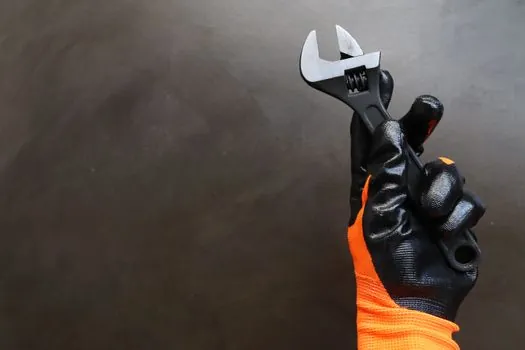
Cut-resistant gloves are designed to help protect hands from lacerations and puncture caused by sharp objects such as blades, glass, sheet metal, or wire, but no gloves are cut-proof. The material choice therefore affects the protection ceiling, flexibility, and suitability for the specific glass-handling operation [S3].
For controlled sheet handling, compare glove options on four criteria: certified cut level, dexterity, wet or dry grip, and protection against the secondary hazards present. A higher cut grade is useful only if workers can retain control of the glass; a rigid or slippery glove can increase the force applied to a pane edge and negate the nominal benefit.
Match Secondary Protection to the Operation
Glass handling can expose gloves to solvents, oils, cleaning agents, water, crushing equipment, sharp tools, and splintering edges, so cut resistance cannot be selected in isolation [S2]. A risk assessment must identify those hazards before adding coatings, liners, impact protection, insulation, or a chemical barrier.
For liquid or chemical exposure, verify the glove material and any coating against the specific agent and contact duration. For heavy panes and frames, evaluate impact and crush exposure, which are not equivalent to cut resistance. For gloves used in welding, oil and gas, utilities, or outdoor construction, the operating environment may require resistance to heat, oils, water, and abrasion as well [S2].
Fit is a performance control, not an administrative detail. Gloves must cover the required hand and wrist area without creating loose folds that can catch a glass edge. Workers should be able to maintain a secure grip and execute the motion at the normal working speed, because a glove that is removed or bypassed offers no measured protection.
Set Inspection and Replacement Controls
Inspection intervals should reflect exposure frequency and the condition of the glass being handled. Inspection should therefore include the palm, fingers, seams, cuffs, and any contact zones where the glass edge slides across the glove.
Define rejection criteria for cuts, punctures, thinning, exposed yarns, damaged seams, coating failure, or loss of grip. Remove damaged gloves from service rather than relying on the original A-level label. The ANSI/ISEA 105-2024 rating describes the new glove under test conditions, not the remaining protection of a damaged or contaminated glove.
Track the task rather than only the glove inventory: record whether the work involves intact panes, cut glass, broken glass, or mixed handling, and whether the exposure frequency or edge severity has changed. A change in the workpiece or method can invalidate an earlier level selection even when the same glove model remains in service.
Verify Rating Documentation and Worker Fit
Procurement records should identify the applicable rating system, level, test method, manufacturer, model, and any coverage or sizing limitations. ANSI/ISEA 105-2024 is more common in the United States, while EN 388 is the European protective-glove framework; the systems use different rating methods and are not directly interchangeable [S4][S5].
ANSI/ISEA levels are expressed on the A1-A9 scale, while EN 388 can use Coup Test or ISO 13997 straight-blade results depending on glove performance during testing [S5]. Do not convert an A rating into an EN 388 number or treat similar-looking labels as equivalent without documented test information [S5].
For an operational selection, require the supplier to document the claimed level, confirm that the glove is suitable for the specified application, and evaluate samples with representative glass and the intended handling motion. The practical acceptance test is whether the glove provides the required protection while preserving control, not simply whether its label carries a higher letter.
Track two signals after deployment: glove damage and near-miss events involving glass edges. A rising damage rate can indicate that the selected level, coverage, coating, or handling method is inadequate; near misses can expose tasks that need engineered controls before a glove specification is changed.