
ANSI/ISEA 105 rates cut-resistant safety gloves from A1 to A9, with the tested level based on the force needed to cut through the glove material [S1][S5].
The correct level depends on the material handled, edge sharpness, exposure frequency, work environment, grip, dexterity, and whether workers will wear the gloves consistently [S3][S4].
What the Cut-Level Scale Measures
ANSI/ISEA 105 contains 9 cut-resistance levels, A1 through A9, with A1 providing the least resistance and A9 the greatest [S1][S5]. The scale measures cut performance, not overall glove safety, so abrasion, puncture, tear, impact, chemical exposure, dexterity, and fit still require separate evaluation [S4][S5].
Published cut-force ranges provide a practical way to distinguish the options: A1 covers 200–499 g, A2 approximately 500–999 g, A4 approximately 1,500–2,200 g, and A6 approximately 3,000–3,999 g [S4][S5]. These force bands are associated with the standardized cut test, not with the weight or force of every object encountered at work [S4][S5].
A gloves procurement record should therefore identify the material, construction, task, hazard severity, and required standard rather than describing a glove only as “cut resistant.” The broader category is covered in the safety gloves reference, but cut level alone does not establish suitability for every PPE requirement.
Select from the Task, Not the Worst Case
A1 is suited to light cut hazards such as material handling, packaging, cardboard, and small-parts work with knives, scissors, or blades [S2][S5].
A4 is generally appropriate where cuts are a recurring but moderate risk and the wearer must still handle fasteners, tools, automotive components, HVAC equipment, or moderately edged metal parts [S4]. A6 becomes relevant where sharp hazards are constant and unavoidable, including sheet metal, glass, metal stamping, heavy fabrication, and automotive work [S4].
That task-based approach is more defensible than buying the highest available rating. A bulkier or more reinforced glove can reduce tactile sensitivity, slow assembly, increase hand fatigue, and prompt workers to remove it during precision work [S4]. A higher test result only addresses cut force; it does not guarantee better control, reliable use, or protection from unrelated hazards.
A2, A4, and A6 Compared

The main glove classes differ most sharply in cut-force range, practical task fit, dexterity burden, and defensible use. A2 provides roughly 500–999 g of cut resistance, making it a practical choice for warehouse picking, packaging, cardboard, plastic, shrink wrap, and light assembly [S4]. A4 provides roughly 1,500–2,200 g and fits recurring moderate-cut tasks where tool and fastener handling remain necessary [S4].
A6 provides roughly 3,000–3,999 g and is intended for sustained exposure to severe sharp hazards, such as sheet metal, glass, stamping, and heavy fabrication [S4]. In direct comparison, A2 favors dexterity and handling speed, A4 balances protection against dexterity for multi-purpose industrial work, and A6 prioritizes cut resistance where sharp hazards cannot be removed [S4]. Cost, weight, and grip should be compared within the candidate level rather than used as substitutes for the cut test.
Four Factors That Determine Suitability
Material type determines whether the edge can be controlled or whether contact is unavoidable. Edge sharpness, task frequency, exposure duration, and the working environment complete the assessment, with Delta Plus identifying all four as core selection factors [S3]. The risk assessment should also record whether the worker uses a knife, handles stamped sheet metal, changes slitter blades, or encounters glass that can fragment.
Physical fit and sustained wear behavior are separate controls. The glove must fit the worker correctly, remain comfortable through the shift, preserve enough tactile feedback for the task, and not be removed for precision work [S3][S4]. A trial across representative tools and materials is more informative than choosing by cut level alone, especially when grip, dexterity, and comfort affect glove retention.
Additional hazards can invalidate a cut-only selection. ANSI/ISEA 105 evaluates cut resistance, while EN 388 separately presents abrasion, blade-cut, puncture, and tear ratings, with puncture resistance rated from 1 to 5 and 5 representing the highest result. EN 388 uses a different test and rating presentation for protective gloves used under its scope [S5]. Chemical, heat, impact, and electrical requirements need their own evaluation rather than being inferred from an A-level marking.
Match Users and Exclude Mismatched Gloves
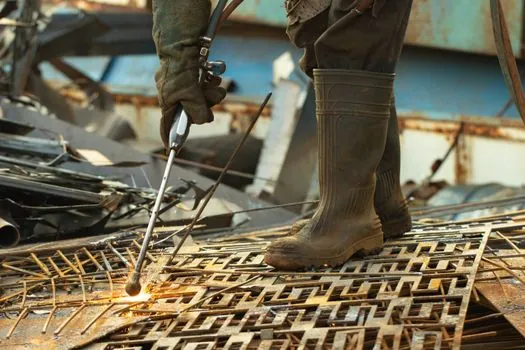
These gloves are for workers whose tasks expose hands to sharp edges, blades, sheet metal, glass, or other cut hazards. A1–A3 suit light handling and packaging; A4 suits moderate, recurring industrial exposure; A6–A9 serve more severe cut environments where the work cannot be redesigned to remove sharp hazards [S2][S4][S5].
They are not a universal replacement for guarding, tool controls, automation, or safe work procedures. Nor is an A6 or A9 glove automatically the right choice for general handling where the principal risks are chemicals, heat, impact, or electrical exposure. Selecting safety gloves for these tasks requires separate evidence for each hazard.
Employers should also avoid treating a cut level as proof of total worker safety. PPE selection sits within a broader conformity and verification process, and requirements can be checked through the safety certification reference. The glove label and documented test result remain essential when the required performance is cut resistance.
Procurement and Verification Checklist
A defensible selection starts with a task-based risk assessment and ends with field verification. Record the material, edge condition, contact frequency, task duration, required dexterity, and all non-cut hazards. Then choose a candidate level that matches the observed exposure rather than the highest level available from the supplier [S3][S4].
Require the manufacturer or distributor to identify the applicable glove, fabric or yarn, coating, sizing, and test standard. For ANSI/ISEA 105 products, record the A-level and confirm that the mark and documentation correspond to the glove being purchased. For products evaluated under EN 388, retain the full performance marking rather than translating it into an ANSI A-level without technical support [S5].
Before rollout, fit-test several sizes on the intended users, have them perform representative tasks, and check whether comfort, grip, and dexterity lead to continuous wear. Inspect gloves during service and replace them when wear compromises the protective structure. A practical procurement decision combines one documented cut level with a valid fit test, task trial, and inspection interval.
Track two measurable signals after deployment: glove removal during precision tasks and cut incidents by task and exposure frequency. If workers bypass the glove, adjust the level, construction, fit, or task controls. If cuts persist at the selected level, reassess edge control and consider a higher category or a process change rather than accepting the rating as a guarantee.