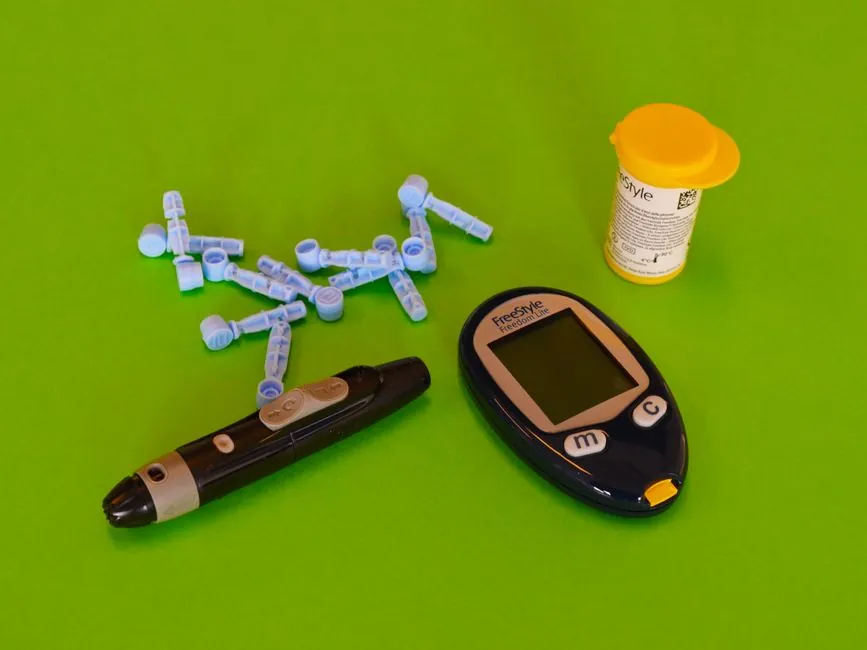
Medical-grade polycarbonate (PC) is specified for diagnostic housings, surgical instrument handles, fluidic connectors, and transparent device covers because it delivers notched Izod impact values of 500–800 J/m, ~90% light transmission for clear grades, a density near 1.20 g/cm³, and a heat deflection temperature of 130–140°C at 1.82 MPa [S3][S5].
Selection for a medical device is governed not by the base resin alone, but by the grade's compliance with ISO 10993 biocompatibility, USP Class VI certification, and confirmed compatibility with the sterilization cycle the device will see in clinical service [S2][S4].
Why PC, and not ABS, acrylic, or PC/ABS, for medical enclosures
PC outperforms ABS in the two metrics that matter most on a medical enclosure: notched Izod impact (500–800 J/m for PC versus 150–400 J/m for ABS) and heat deflection temperature (130–140°C for PC versus 80–95°C for ABS at 1.82 MPa), which is why ABS housings historically failed under repeated high-temperature sterilization and dropped into low-grade service tiers [S5].
For transparent medical components, acrylic lacks PC's impact toughness, while PC/ABS blends trade away optical clarity for processability and flame retardancy, so the all-PC grade remains the default where visibility and structural performance must coexist [S3][S5]. SABIC positions its LEXAN™ and LEXAN™ Healthcare resin lines specifically for housings, surgical instrument parts, and diagnostic equipment where these combined properties are required [S1].
Spec map: the numbers that decide a PC grade in or out
BPA content is the second decision gate: many PC grades are BPA-based, so any grade specified for medical or food-contact use must be screened against applicable regional regulations, and biocompatibility documentation must be requested at the resin SKU level, not at the generic "polycarbonate" level [S2][S8].
Sterilization method dictates the grade, not the other way around

Steam sterilization at 121°C, ethylene oxide (EtO) gas, gamma irradiation, and electron-beam sterilization each stress PC differently, and the chosen grade must be validated against the method actually used by the hospital or contract sterilizer [S3][S4].
Steam at 121°C sits at the upper edge of the PC HDT band and causes cumulative yellowing and embrittlement if cycle counts are high; EtO is generally the gentlest option for PC; gamma and e-beam irradiation can shift color and reduce impact strength above typical clinical dose ranges, so the sterilizer's kGy dose must be specified in the material qualification protocol [S3][S4]. SABIC's LEXAN™ Healthcare line is formulated to support multiple sterilization modalities, but the same datasheet rarely validates every modality at every dose, which is why the sterilization method is locked first and the grade is chosen to match [S1].
Comparison: PC, PC/ABS, ABS, and acrylic on four medical criteria
On impact strength (500–800 J/m PC vs 150–400 J/m ABS), HDT at 1.82 MPa (130–140°C PC vs 80–95°C ABS vs ~100°C acrylic), optical transparency (PC and acrylic near 90%, PC/ABS opaque or translucent, ABS opaque), and biocompatibility documentation depth (ISO 10993 + USP Class VI achievable for PC and acrylic, harder for FR-ABS due to additive packages), PC is the only material that ranks in the top band on all four axes for a transparent medical enclosure [S3][S5].
The trade-off is processability: unreinforced PC demands tighter injection molding windows than ABS, with mold shrinkage of 0.5–0.7% requiring disciplined tooling design, and PC/ABS alloys are often substituted where thin-wall flow or UL94 V-0 flame retardancy outweighs the need for clarity [S3][S5].
Manufacturing risks that override datasheet optimism
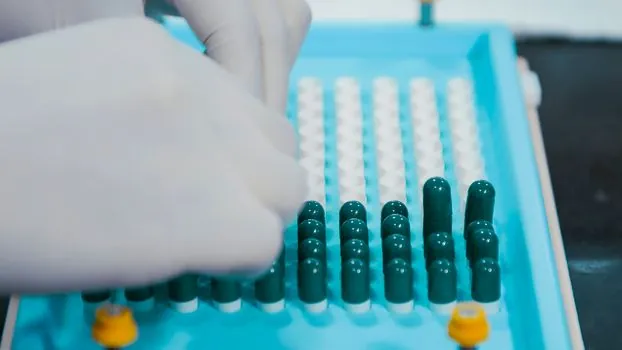
Three failure modes drive most field returns on PC medical parts: stress cracking from residual molded-in stress combined with aggressive disinfectants such as isopropyl alcohol and quaternary ammonium compounds, optical haze from steam-sterilization cycle accumulation, and lot-to-lot variability in medical-grade SKUs that is not visible on a single datasheet [S2][S4].
Mitigation is procedural: specify the actual disinfectant chemistry in the material qualification, validate against the maximum reuse cycle count, and require lot-traceable certification with each shipment, since a material is "medical grade" only when the formulation, processing, and supplier documentation are bundled and traceable end-to-end [S2][S4].
When to walk away from PC: selection rules for non-fits
PC is the wrong choice for implants requiring long-term bodily contact (titanium, PEEK, and UHMWPE dominate that segment), for high-energy radiation environments where repeated gamma sterilization will degrade the polymer, and for thin-wall disposable components where a lower-cost amorphous polymer such as clarified PP or styrenic suffices [S2][S3].
It is also a poor fit where continuous service temperature exceeds the HDT band, where the part will see repeated autoclave cycles well above 121°C, or where BPA-based formulations are restricted by the target market and a non-BPA bio-based alternative has not been qualified [S2][S8].
The decision pattern generalizes across engineering plastics selection, where locking the sterilization, regulatory, and contact-classification envelope first prevents the expensive trap of qualifying a high-performance resin against the wrong use case, a discipline explored in adjacent material-selection workflows such as POM material selection for rail applications: where POM-H vs POM-C fits.
Track the next signal in the LEXAN™ Healthcare and SABIC® PC line for any published expansion of validated sterilization modalities or new bio-based PC SKUs, and confirm whether your contract sterilizer's kGy dose or 121°C cycle count has shifted in the past 12 months before locking the next design's resin grade. Engineers who need a broader read on how amorphous thermoplastics compare across impact, heat, and flame behavior can use the polycarbonate reference page as a baseline dataset.
For component-level specifications, see industrial pc, and pressure transmitter.