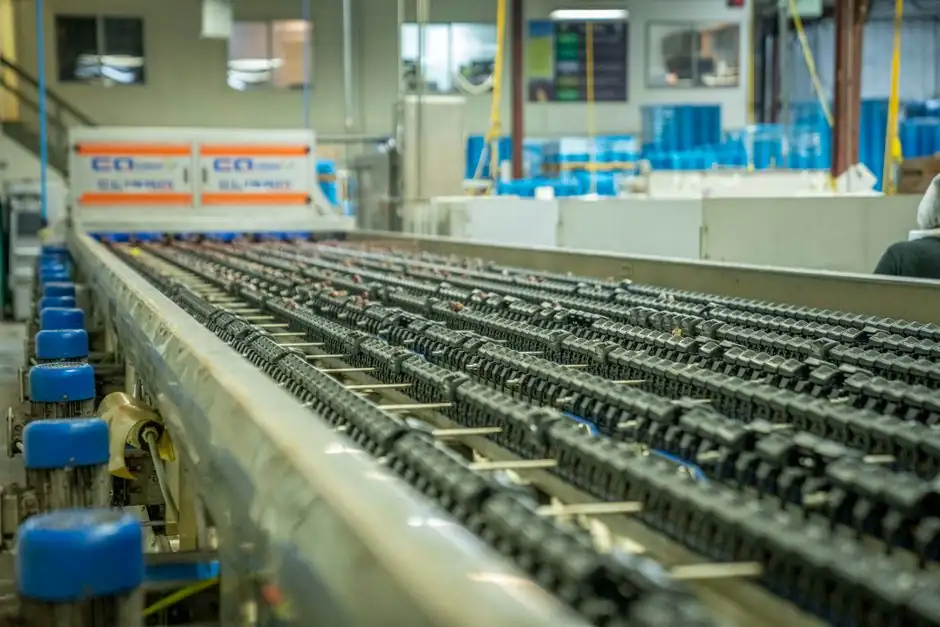
Heavy roller systems and high-capacity conveyors can transport large, bulky, heavy loads such as pallets and drums, but these conveyors are mostly intended for straight-line movement [S1].
The engineering target is not maximum line speed alone: it is repeatable placement of heavy, irregular cartons into the correct lane without tipping, crushing, stalled shoes, or unplanned manual handling [S1][S2].
Define Oversized-Carton Acceptance Limits
Set the envelope before selecting equipment.
Record length, width, height, gross weight, center of gravity, allowable surface compression, and the required destination direction.
Also define the maximum permitted miss, misroute, carton damage, and stoppage duration. Warehouse sortation identifies items or parcels and directs them to the correct destination using material-handling equipment, sensors, scanners, and software logic [S2].
A carton and box handling specification should include the master carton dimensions and every approved packaging variant. Dimension alone is inadequate when a large carton is also heavy, soft-sided, skewed, or irregular.
Compare Sorter Types Against Load Reality
Trew's Sliding Shoe Sorter is described as delivering high-capacity, high-accuracy, gentle positive divert sortation of cartons, totes, jiffies, and polybags [S7].
Pop-up diverters add wheels or rollers to an existing conveyor and suit incremental automation.
Design for Recognition, Dwell, and Control
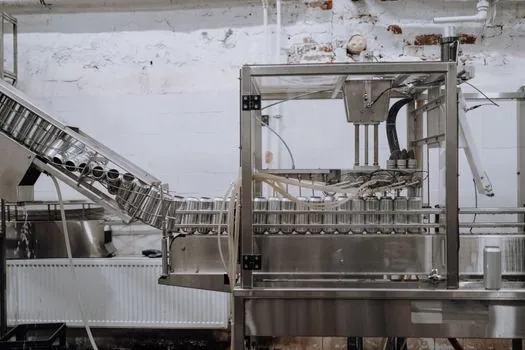
Scan identification, destination assignment, divert confirmation, and exception handling must operate as one control chain. A modern sorting architecture combines conveyors, sensors, scanners, and software to route items to put walls, consolidation lanes, carrier chutes, or outbound doors [S2].
Sortation systems use sensors, scanners, and software logic to move and direct items or parcels to the correct destination [S2]. Do not let a long or unusually heavy carton be accepted into a lane solely because its barcode resolves; the destination decision must also respect the sorter’s physical limits and lane geometry [S1][S2].
For a sorting system, separate two delay measures. Measuring only cycle time can hide a stoppage or a carton that was diverted but arrived out of position [S2].
The control design must verify that identification, tracking, and the divert command remain synchronized at the selected velocity, rather than assuming that conveyor speed alone controls miss rate.
Control Divert Force and Product Damage
Positive and gentle diversion means the sorter must create a controlled lateral force without rotating, tipping, or crushing the carton.
Size the shoe or wheel to the load class, then qualify it against the weakest permitted packaging. Published 200-pound sofa-carton example supports a handling concept, not a universal force calculation [S1].
Maintain replaceable slats and shoes as planned wear items.
Set that maintenance response in the acceptance test, including access time, replacement time, and post-service alignment.
Match Conveyor Geometry to the Carton
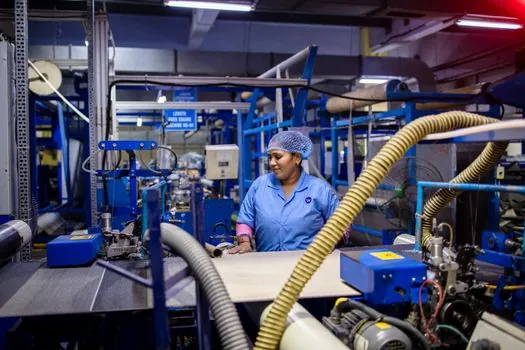
High-speed transfer requires more than a rated divert. A carton that enters skewed, bridges a transfer, or loses contact with the sorter surface can miss its destination even when the actuator performs correctly. One product range offers diversion angles that include 30° and 45°, as well as additional options [S6].
Verify destination spacing against the carton length and the available lateral clearance.
Choose a line architecture that includes accumulation, induction, identification, sorting, and downstream chutes. Linear sorters can integrate with upstream accumulation and downstream chutes, while pop-up and pivoting diverters can be inserted into an existing conveyor for phased automation [S2].
A conveyor sorting line also needs a defined reject route. A missed carton must stop or be diverted safely rather than continue into an unintended lane or damage downstream equipment [S2].
Prove Accuracy Under a Production Mix
Run an acceptance test with the actual product mix, including small parcels, standard cartons, oversized cartons, irregular loads, and empty totes. The heavy-load sorter is designed to handle both large freight and smaller items down to poly bags, which makes mixed-product verification essential rather than optional [S1].
Test at the contracted line speed and with cartons deliberately placed across the permitted size and weight range. Record correct destinations, misroutes, damaged cartons, jams, manual interventions, and recovery time per hour or shift. Published rates are useful reference points, but they are not guarantees for an untested load profile [S1][S6].
Include a sustain test rather than a short demonstration. Queue buildup can turn an acceptable peak rate into an unacceptable operating rate, so sustained throughput should be sized to prevent cartons from missing downstream cutoffs [S2].
The PLC scan rate design for high-speed conveyor diverts provides a useful control-engineering check for signal response, tracking updates, and command execution at the final line speed.
Define the Service Contract Around Failure Modes
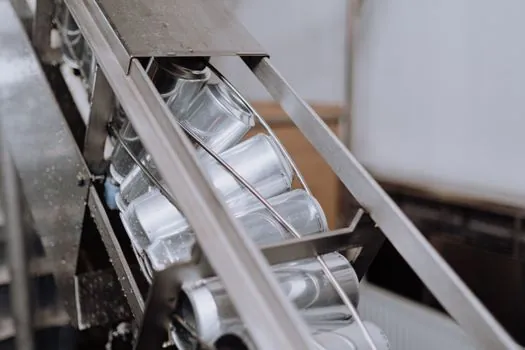
Specify the largest approved carton, maximum gross weight, speed, permitted lane count, divert angle, and worst-case accumulation condition. The commercial range cited for one configuration spans 60–180 ft per minute, with configurations up to 300 ft per minute and up to 75 cartons per minute, but these figures do not establish suitability for the 6 ft by 8 ft class shown by the heavy-load design [S6].
Build maintenance around the failure modes specific to bulky freight: shoe or wheel wear, slat damage, carton fragments at entry, skewed loads, obstructed lanes, and displaced sensors. Require access to divert mechanisms without dismantling unrelated conveyor sections, and document the tools and replacement parts needed for a jam [S1].
Use shift-level signals rather than a single commissioning test. Track misroutes per 1,000 cartons, damaged-carton rate, jams per operating hour, mean time to restore a divert, and sustained cartons per hour. These measures reveal whether the line maintains its designed sortation accuracy after wear and demand changes.
Before purchase, verify each quoted rate with the actual oversized carton. The decisive evidence is a successful diversion of the approved maximum dimensions and weight at the contracted speed, followed by stable repeatability across the production mix. If that test is absent, the line has a capacity claim, not a verified divert-accuracy specification.