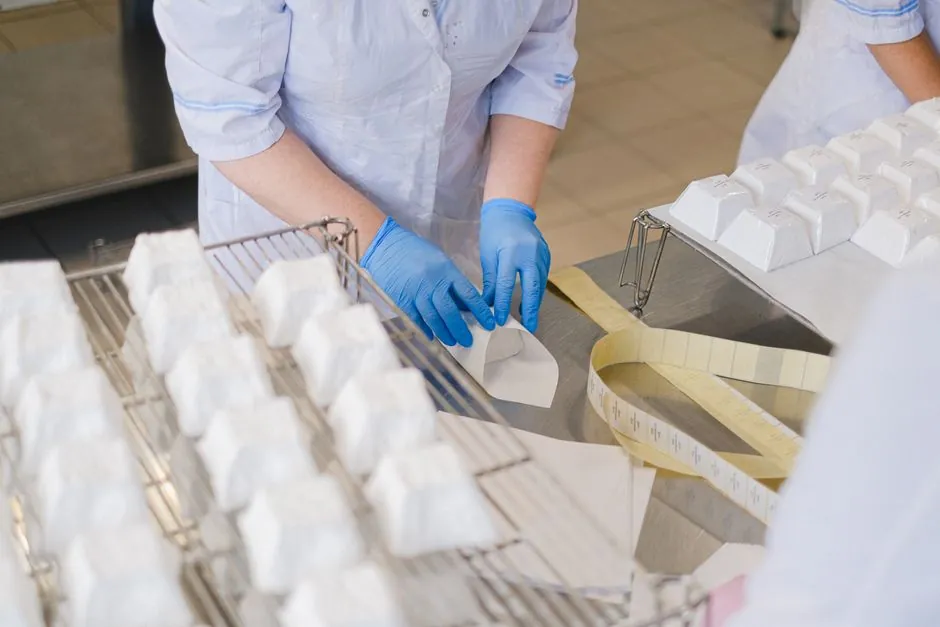
A 2026 packaging project should budget lead time from the operating envelope, not from a generic equipment calendar: reference liquid-filling systems range from 15–20 bottles per minute for 750 ml wine to 1,100 bottles per hour for 2,000 ml HDPE containers, while automated bottle case packing reaches 8 cases per minute for specified cartons [S3][S4].
Fillers, cappers and case packers form one coordinated production flow, not three independent purchases; complete liquid lines integrate filling, sealing, labeling, conveying, case erection, sealing and palletizing under shared controls [S1][S3].
Define the Packaging Scope Before Quoting Lead Time
The request must identify product viscosity, container format, required output and secondary-pack pattern before a supplier can determine a defensible delivery date. Ideal Pase offers automatic net-weight liquid fillers, volumetric fillers, semi-automatic drum fillers, and automatic drum and tote fillers [S1].
Each quoted system should carry a minimum and maximum carton range, normal case rate, surge rate, changeover method and control architecture. A referenced automatic bottle case packer handles 350–600 mm case length, 200–400 mm width and 200–400 mm height, with output up to 8 cases per minute depending on packing configuration [S4].
Lead time should also cover installation readiness, not only factory delivery. Utilities, floor loading, product changeover tooling, PLC and HMI interface details, operator access, spare parts and acceptance testing need named owners and dates.
Match Filler Capacity to the Required Bottle Rate
Filler selection starts with the output floor, because an upstream machine below the required rate cannot be rescued by downstream automation. A used wine-bottling system ran at 15–20 bottles per minute with 750 ml bottles, while a six-head HDPE bottle line was rated at 1,100 bottles per hour for 2,000 ml containers [S3].
Reference installations show why line balance cannot be inferred from one machine. The 1,100 bottles per hour HDPE system paired a six-head filler, single-head capper, 40 mm screw cap feed, check weigher, twin-labeler, wraparound case erector-packer, sealer, carton labeler and palletizer with infeed, transfer and takeaway conveyors [S3].
For new proposals, request the guaranteed rate at the specified container and product, plus the duty cycle and surge profile. If a line must handle several formats, require quoted rates for each SKU family and a documented mechanical, recipe or tool changeover sequence. A single headline rate without container and product conditions is not an engineering acceptance criterion.
Specify Capper Output, Closure Type and Torque
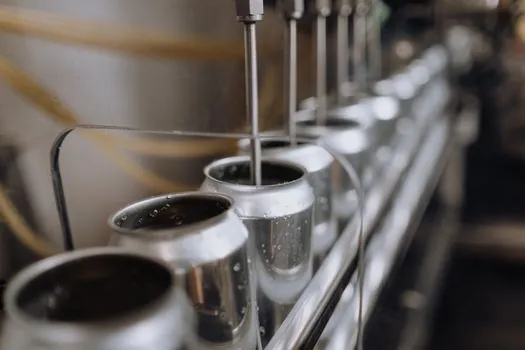
The cited complete liquid packaging line is rated at 1,100 bottles per hour [S3].
For capping, specify closure diameter, closure type, torque window, application method, cap orientation and verification method. Used complete liquid and paste packaging lines are commonly deployed in food and beverage, pharmaceutical, cosmetic, and chemical manufacturing environments where consistent throughput and packaging accuracy are required [S3].
Compare Bottle and Pouch Case Packing
Bottle and pouch case packers require different handling principles because rigid containers support grid handling while flexible packs need orientation and settling control. As primary-equipment pace rises, manual packing can become a line bottleneck, whereas automated case packing produces a fixed case pattern and consistent case dimensions each cycle [S4].
For rigid glass, PET and HDPE bottles, grid pick-and-place divides single-file containers into lanes, forms a matrix and transfers the group into an erected case. Because glass, PET, and HDPE bottles are rigid and uniform, they can be collated into a matrix and moved as a group in grid pick-and-place systems [S4].
For stand-up pouches and pillow bags, vertical drop packing forms a layer in a staging cassette before releasing it into the case, while horizontal side loading pushes an upright row through the open case side. A settling section normally precedes either method so the flexible pack develops a consistent profile and avoids catching on case flaps [S4].
The comparison is not a universal speed ranking because bottle rate, pouch rate and case configuration differ. The decisive requirement is the case rate after accounting for pack pattern, surge, changeover and rejected containers [S4].
Build a Supplier-Controlled Delivery Plan
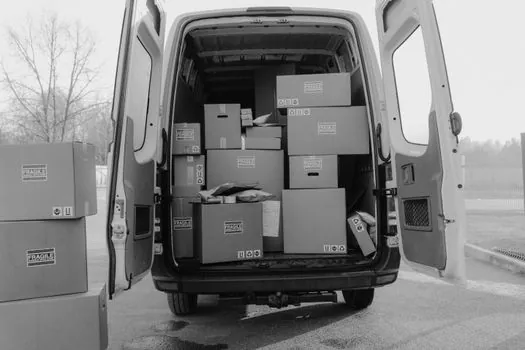
A credible lead-time plan needs four separate dates: proposal freeze, design release, factory acceptance test and shipment. The factory test should demonstrate the specified container, closure and carton, and the shipment date should be tied to those approved parameters rather than to an unrestricted equipment class [S1][S4].
One line agreement can simplify machine coordination when the scope covers unscramblers, fillers, cappers, cartoners, case packers, shrink wrappers, bundlers and palletizers. The same approach can create a single interface responsibility, but it also makes the agreement scope, performance guarantees and delivery milestones more important because several disciplines are coupled [S1].
For used systems, lead time should include condition assessment and recommissioning rather than treating available inventory as immediately production-ready. The 1,100 bottles per hour HDPE line included a check weigher marked 2024, while the canning example was commissioned in 2022 and decommissioned in 2024; age alone does not establish remaining mechanical life, so controls, guarding, drives, sensors and wear parts require inspection [S3].
Complete liquid lines remain an alternative where rapid deployment matters. One used wine system included a 38 by 38 inch filler, 48 by 38 inch pneumatic corker, cap applicator, capsule shrinker and 124 by 62 inch labeler with custom box filling equipment, showing that footprint and utility planning are substantial line-level constraints [S3].
Apply These Delivery and Sourcing Controls
The procurement team should issue one integrated specification with rate, format, footprint, utility and control data attached to each machine. Controls integration must confirm PLC and HMI brand, communications protocol and operating responsibility; the case-packing guide specifically identifies PLC and HMI selection as a pre-proposal requirement [S4].
For every long-lead item, require a serial or model designation, configuration revision, factory location and manufacturing status. Used-line quotations should separate equipment acquisition, refurbishment, spare parts, installation and acceptance testing. The cited four-head canning line included a seamer maintained by a local engineer, illustrating why maintenance records and local service support belong in the risk assessment [S3].
The project should also track format readiness, electrical drawings, software configuration, FAT protocol, operator training and site acceptance criteria. A packaging line is not ready when every machine has arrived; it is ready when the complete flow fills, closes, checks, collates, erects, seals and transfers the defined case at the contracted rate [S1][S3][S4].
The next trackable procurement signal is the supplier’s written delivery schedule against the approved format and controls list, followed by the FAT throughput record for the specified container and carton. A general promise that equipment is “available” without those two checkpoints is not a 2026 lead-time commitment.