
ASTM C241/C241M measures stone wear resistance as abrasion hardness, Ha, with higher values indicating better resistance to foot-traffic abrasion [S1].
For a high-traffic lobby, start with Ha 12.0 or higher at elevator halls and traffic concentration areas, and require project-specific testing before approving the stone [S5][S6].
What the ASTM C241 Abrasion-Hardness Rating Measures
ASTM C241/C241M defines a standardized abrasion-hardness test that produces an Ha value indicating how a specific granite, marble, or limestone will hold up under foot traffic and grit [S1]. A higher Ha means less surface loss under the test conditions, but the result has no physical unit comparable to a coefficient of friction [S1].
The rating is suited to granite, marble, and limestone because it indicates how the stone will hold up under foot traffic and grit [S1]. The Natural Stone Institute identifies abrasion resistance, absorption, compressive strength, bending strength and slip resistance as distinct properties that may be assessed for natural stone [S4].
The Dimension Stone Design Manual gives a minimum Ha of 10.0 for general horizontal-surface areas and increases it to 12.0 for elevator lobbies, halls, and other areas of traffic concentration [S6].
Lobby Traffic Classes and Minimum Abrasion Values
The Dimension Stone Design Manual sets a minimum Ha of 10.0 for general horizontal-surface areas [S6].
Within traffic-concentration areas, the minimum increases to Ha 12.0 for elevator lobbies, halls, and other areas of traffic concentration [S6]. The Dimension Stone Design Manual specifies Ha 12.0 for elevator lobbies, halls, and other areas of traffic concentration [S6].
A commercial specification can demand a higher value when traffic, grit, maintenance practices or appearance retention make the standard floor minimum inadequate. Granite guidance gives published abrasion ranges of 50–150, marble 15–50 and sandstone 4–24, with ASTM C615, C503 and C616 identified as the respective material references [S8]. Those broad ranges are screening tools, not proof that every stone within a range will suit a specific lobby finish.
Compare Granite, Marble, Quartzite and Slate
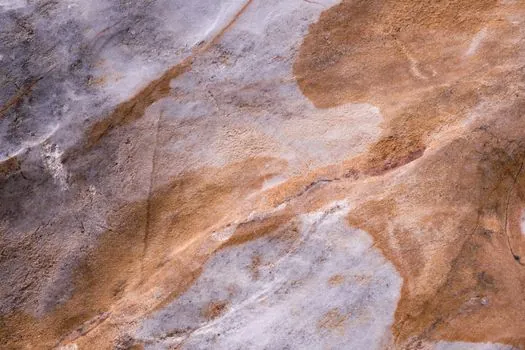
Granite normally provides the widest margin over lobby abrasion minima because its published range starts at Ha 50, compared with 15 for marble and 4 for sandstone [S8].
Marble meets the ASTM C503 floor minimum at Ha 10 but commonly falls in the published 15–50 range [S1][S8]. Its Mohs hardness is about 3, so scratches, nicks and etching are credible failure modes in an entrance zone, even when the stone passes the formal abrasion minimum [S2]. Marble is therefore suited to lower-exposure lobby areas or locations where the owner accepts visible patina, not the highest-wear elevator path.
The trade-off is that a textured finish does not automatically provide the same polished appearance, cleaning profile or wet-slip performance as a honed or polished floor, so those properties require separate evaluation.
Match Abrasion Resistance to the Stone Finish
For a lobby requiring a uniform polish, Ha 12.0 satisfies the concentration-area minimum but does not guarantee strong polish retention under sustained traffic.
Abrasion resistance is determined according to the ASTM C241/C1353 test [S5].
Verify the Actual Stone Rather Than the Generic Name
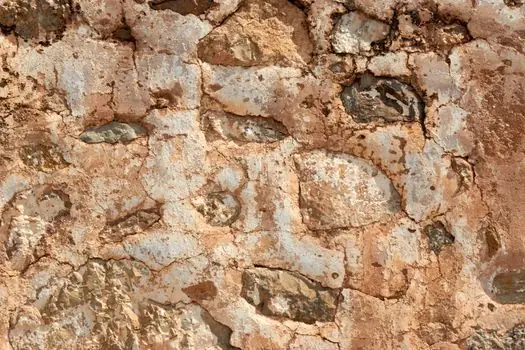
Final design should be based on property values for the specific stone selected, not only on its commercial trade name [S5]. Supplier data may be used where reliable physical-property data are available; where dependable data are unavailable, retesting the stone should be considered [S5]. For a multi-batch lobby installation, sampling and traceability become more important because mineral composition, grain structure and finish can vary between quarry sources [S1].
ASTM C241/C241M is a comparative test under one procedure, load and abrasive charge, not a warranty of service life [S1]. The result directly informs wear under foot traffic, but grit concentration, cart movement, entrance mats, cleaning chemistry, sealer maintenance and polishing frequency can alter field performance. Natural stone selection guidance separately identifies porosity, hardness, abrasion resistance, heat resistance and chemical resistance, with calcareous stone more vulnerable to acidic cleaners than siliceous stone [S2].
The project record should identify the quarry or supplier, stone variety, slab or lot, finish, tested Ha value, applicable ASTM material specification and the test report. This creates a defensible chain from sample selection to installed floor and avoids approving an attractive commercial sample that differs from production material [S4][S5].
Specify Safety and Maintenance Alongside Abrasion
Ha measures wear, not slip resistance, so a hard polished lobby stone still requires a separate dynamic coefficient of friction assessment for the intended floor condition [S1]. Abrasion testing also does not demonstrate resistance to flexural breakage, impact or chemicals [S1]. Those properties belong in the project specification alongside water absorption and finish requirements [S4].
Granite is comparatively resistant to scratches and impact, while quartzite is described as highly resistant to etching, staining and scratching [S3]. Marble is softer and more prone to nicks and etching, while cleaning practices can attack calcareous stone [S2]. Granite and quartzite may still require periodic sealing, and daily cleaning remains part of keeping the finish serviceable [S3].
A practical lobby schedule should record the selected Ha, finish, DCOF requirement, cleaning chemistry, sealer schedule and polishing or burnishing interval. Maintenance intensity should increase where tracked grit is not controlled at entrances. The building stone selection guide provides a broader framework for comparing structural and surface properties before the abrasion trial is finalized.
Build the Abrasion Threshold Into the Specification
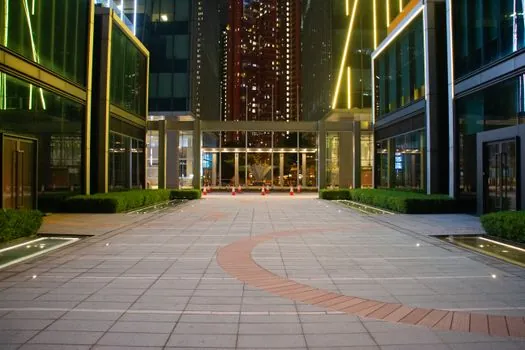
A defensible high-traffic lobby specification uses ASTM C241/C241M Ha as a minimum, not a decorative reference: Ha 12.0 for elevator halls and traffic concentrations, Ha 20.0 or more where a polished finish must remain visually uniform, and separate limits for any adjacent lower-abrasion stone [S5]. Verify the selected stone by lot, require the applicable ASTM C615, C503, C568 or other material specification, and keep slip resistance as a separate acceptance test [S1][S4].
For cross-checking material options, industrial flooring offers a comparison of wear-oriented floor systems, while the ceramic tile reference provides a useful benchmark for alternative hard-floor procurement. The final trackable signals are the signed Ha test report and approved finish sample for the production stone, not a generic statement that the material is suitable for heavy traffic.