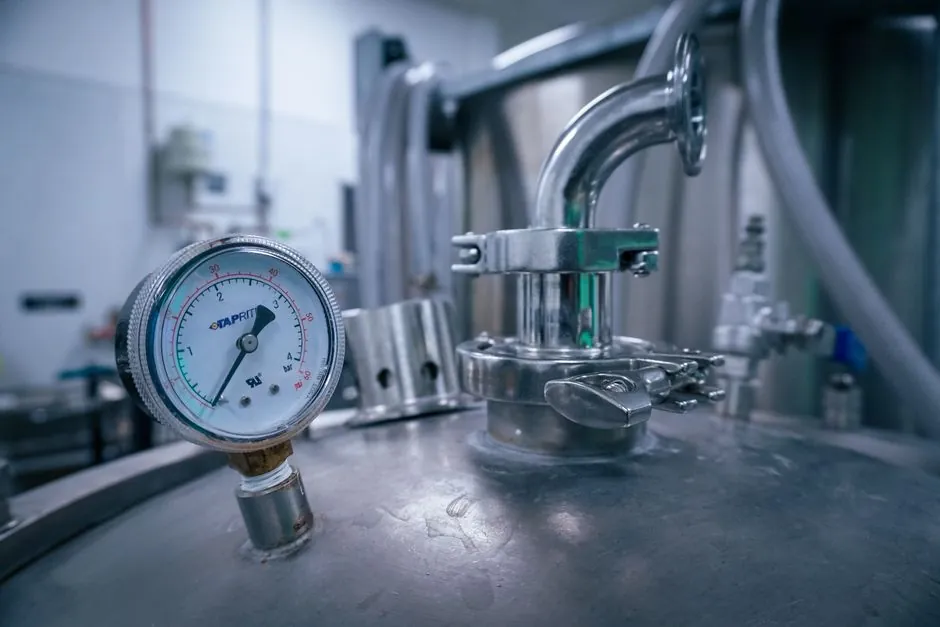
A sight glass is, in practice, a pressure-bearing transparent window, and the installation steps that prevent it from cracking are the same steps that prevent process leaks: matched rating, square gasket seat, even bolt load, and a documented hydrostatic or soap-bubble test before line-up [S2][S6].
Across refineries, chemical plants, boilers, breweries, and CNC machine lubrication circuits, sight glasses are specified for three jobs: liquid-level confirmation, color/moisture indication (for example refrigerant moisture indicators), and flow verification through a sight glass window [S3][S4]. Each job imposes a different pressure and temperature envelope, so the same physical component is rarely a drop-in across services.
Match the Sight Glass Type to the Service Before You Touch a Wrench
Bullseye sight glasses thread into a port just above the oil level in a reservoir and are made from glass, acrylic, or polyamide; they are the default for level-only checks where no piping would otherwise create a false reading [S3]. Columnar sight glasses attach near the drain port, must be vented to the reservoir headspace (typically through a pipe or flexible hose to a desiccant breather), and let the operator watch the oil level rise and fall in real time [S3]. 3D bullseye units add a 360-degree view, with the Luneta example using Tritan copolyester for higher impact resistance than standard acrylic or polyamide [S3]. On the process side, reflex, transparent, and illuminated sight glasses serve different visual tasks: reflex for clean colorless liquids, transparent for color/turbidity checks, and illuminated units for low-light vessels [S2]. For process-window selection criteria covering material, pressure class, and viewing style, the sight glass reference is the starting point.
Orientation, Location, and Mechanical Pre-Work That Decide the Outcome
Mount the unit vertically and plumb on a section of pipe or vessel that is structurally stiff, free of vibration, and away from turbulent flow, because turbulence defeats the level reading and vibration cracks the glass [S2]. Before any fitting turns, deburr tubing, wipe seats clean, and confirm the gasket material is rated for the process fluid and temperature; for brazed moisture indicators, the indicator cartridge must be removed from the 1-3/8", 1-5/8", and 2-1/8" PSG-series bodies before heating, since direct flame on the body damages the color element [S4]. The optical glass entry covers how anneal quality and thermal-shock rating drive that fragility. For circular flanged windows, gasket centering is the single highest-leverage step: an off-center gasket loads one side of the glass and produces a tension failure within the first thermal cycle [S6][S7].
Gasket Seating, Bolt Torque, and Brazing Discipline

On circular sight glasses, torque the flange bolts in a star (cross) pattern to the value listed on the manufacturer's drawing, not to a generic "snug," because uneven clamp force is the dominant cause of in-service cracking [S6]. Sight Glass moisture/liquid indicators with 1/4" through 1-1/8" ODF sweat connections are shipped ready to braze; over-heating the body must be avoided, and if a wet rag is used to protect the joint, it should wrap the fittings and bottom of the body only, not the top, so internal moisture does not condense on the cool glass and wash off the color indicator [S4]. During brazing, bleed dry nitrogen or CO2 through the line, direct the flame away from the sight glass body, and complete the joint as quickly as practical to limit heat soak into the glass disc [S4]. These brazing rules parallel the glass quartz handling notes for any fused silica window exposed to a torch.
Threaded, Flanged, and Sanitary Mounts: Three Different Torque Stories
Threaded bullseye units are hand-threaded until the gasket seats, then tightened only a further fraction of a turn with a crescent wrench: over-torque here distorts the sealing face and cracks the disc [S3]. Flanged process sight glasses (for example the Model I flange series) follow the gasket-centric torque procedure above and are usually assembled with a new compressible gasket on every open [S5][S6]. Sanitary tri-clamp mounts on food, beverage, and pharmaceutical lines rely on the clamp's published torque band and an EPDM or PTFE gasket compatible with the cleaned-in-place (CIP) chemistry, and they share the same alignment concerns as the crossed-roller guide preload rule: equal load on both sides, or the part walks out of spec under thermal cycling. For sanitary lines that also see abrasive cleaning media, the abrasive-consumable replacement logic in sander consumable replacement triggers is a useful analog for "replace on schedule, not on failure."
Commissioning Tests and Acceptance Criteria You Can Sign Off On

After mechanical install, pressurize the line to the test pressure required by the applicable piping code and hold for the code-mandated duration while a second person inspects each sight glass joint for weep, bubble, or pressure decay; a soap-bubble test is acceptable for low-pressure air or nitrogen checks, while hydrostatic testing is the standard for liquid service [S2][S6]. For refrigerant moisture indicators, allow the system to run a minimum of 12 hours before judging the indicator color, because a freshly commissioned or freshly dried-out system can show transient readings until moisture equilibrium is reached; the steady-state target is a Medium Blue element, with the dry thresholds tabulated by refrigerant and liquid-line temperature (for example R-134a at 75°F reads DRY below 30 PPM moisture, CAUTION 30-90 PPM, and WET above 90 PPM) [S4]. For oil-reservoir columnar units, mark the idle and running oil levels on the column at first commission, since the column itself does not clearly show foam, with air separating from the oil before it reaches the viewing section [S3].
Failure Modes, Repair Limits, and When to Replace Instead
Four failure modes dominate the field: glass cracking from uneven gasket load, glass etching from incompatible process chemistry, seal hardening from temperature overshoot, and indicator-element wash-out from moisture condensing during brazing [S2][S4][S6]. Hairline cracks and etched (cloudy) discs cannot be repaired in the field and must be replaced, because any attempt to re-torque a cracked window accelerates the failure; a leaking gasket, by contrast, is a field-repairable condition provided the glass is inspected and found unmarked [S6]. On brazed moisture indicators, if the color element washes out, the cartridge is reversible in chemistry but visually unreadable, and the documented field action is to replace the indicator, not to re-braze around it [S4]. When troubleshooting extends to commissioning wider plant systems, the sorting system installation acceptance tests reference provides a useful template for documenting pre-use checks. For maintenance crews handling instruments on the same asset, the capacitive sensor sizing and selection guide covers level sensing as an electronic alternative to visual sight glasses.
Documentation, Standards Anchor, and Trackable Signals
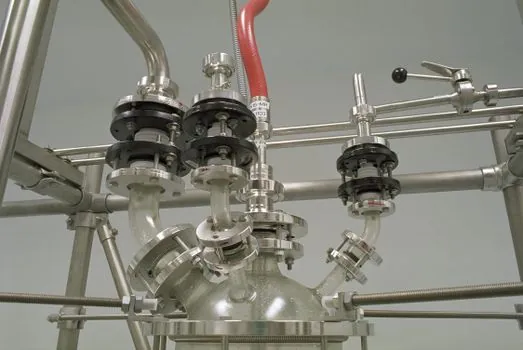
A traceable install record should capture: sight glass model and serial, gasket material and lot, torque value applied, test medium and pressure, hold time, and the inspector's sign-off; this is the same paperwork that supports a truck crane testing and commissioning procedure and serves the same audit purpose [S2][S6]. Two signal streams to monitor going forward: OEM-issued gasket and bolt kits for your specific sight glass series (a revision here usually means a material or geometry change you should adopt at the next outage), and any field-service bulletin covering thermal-shock limits for your disc material, since that is the parameter most often silently downrated between catalog revisions.