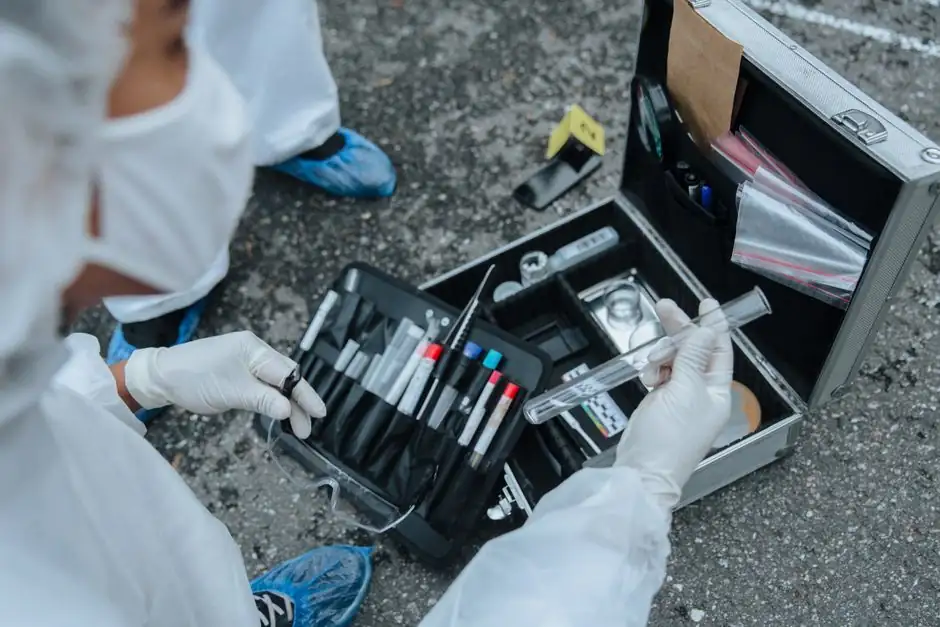
Numbered plastic zip seals provide a simple visual record of first aid kit access, with one 250 mm seal supplied in a 1,000-unit pack for sites managing multiple kits [S1].
Each inspection checks that all required contents are present, nothing has expired, the cabinet is clean and accessible, the tamper seal or indicator is intact, and anything missing has been restocked [S2].
Define what the seal proves
An intact seal confirms only that the tamper indicator has not been broken since the previous inspection. It shows that the kit was not opened, but it does not prove that the kit is complete [S4].
This distinction matters when a first aid kit is selected or audited. A broken seal means that opening has occurred and requires a physical inventory, while an intact seal still does not establish that every required item is present, in date, or usable [S2][S4].
Kit control should therefore record the seal identifier, inspection date, inspector initials, and replacement or restocking action. A printed inspection tag can provide a 12-month log with one row per month for the date, initials, and restocking status [S2].
Compare the main seal formats
Selection depends on how the kit is mounted, how it will be opened, and how much audit evidence the site needs. The formats differ in more than shape: some provide a serial number, some use a destructible adhesive label, and some are designed for quick manual removal. [S4]
Apply the seal within a workable inspection routine
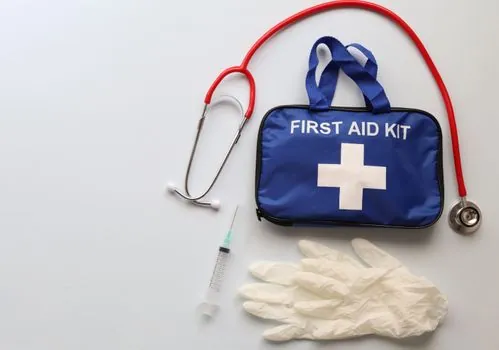
Five pass-or-fail checks provide a practical control: required contents present, no expired items, cabinet clean and accessible, tamper seal or indicator intact, and missing items restocked [S2]. The seal check occupies one step in the inspection, not the entire inspection.
When opening is authorized, the inspector should record the old seal number, replace it with a new numbered seal, inventory the contents, replace missing or expired items, and sign the inspection record [S1][S2]. Knowella’s inspection guidance is not included in the supplied candidate list and should not be treated as an internal link.
Match the kit and seal to the operating environment
ANSI/ISEA Z308.1 defines Class A kits for common workplace injuries and larger Class B kits for higher-risk sites, while kit selection must also account for the risks, incident severity, facility layout, and access to emergency services [S2][S3].
Container type affects seal selection as well.
A vehicle seal must therefore be checked against the actual mounting and operating environment rather than selected only by label color. Some organizations do not fit tamper-seal tags and instead complete weekly operational vehicle checks, demonstrating that sealing is not the only possible control [S5].
Use seals for access control, not stock assurance
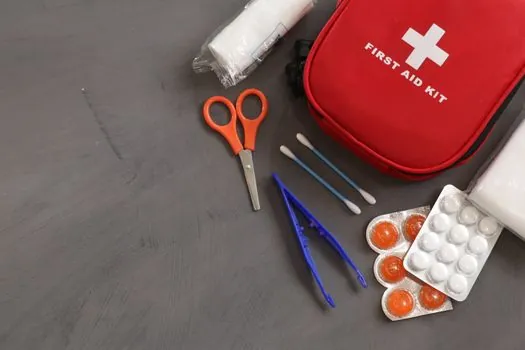
Seals are unsuitable as the sole assurance that a kit remains serviceable. A kit can remain sealed while an adhesive bandage loses adhesion, a solution expires, or a required item was never stocked. The physical count must cover individual items rather than stop at the seal [S4].
The seal is also not a substitute for medical packaging controls. This is separate from the seal applied to the kit container and should not be confused with it.
For exposed products, the warning sign category should follow site risk assessment rather than substitute for the kit seal. The same applies to emergency lighting: it supports evacuation but does not verify first aid stock or access history.
Set purchasing and control requirements
Specify the seal format, length, numbering method, material compatibility, and required replacement records in the procurement specification. The cited product example uses dark-blue, 250 mm plastic zip seals with a 1,000-unit pack and self-locking construction [S1].
For lower-volume use, easy-tear seals are supplied in packs of 10 [S6]. For cabinets where adhesive status is preferred, a bilingual adhesive seal or destructible vinyl inspection label can provide visible evidence of opening [S7][S8].
Do not standardize on a seal without defining the process around it. The inspection log records the date, initials, and restocking, and numbered security seals can provide visual evidence of tampering [S1][S2].
The next trackable signal is the ratio of kits with an unbroken numbered seal to kits opened, restocked, and resealed under the inspection log. A gap between those two records identifies either uncontrolled access or incomplete documentation.
