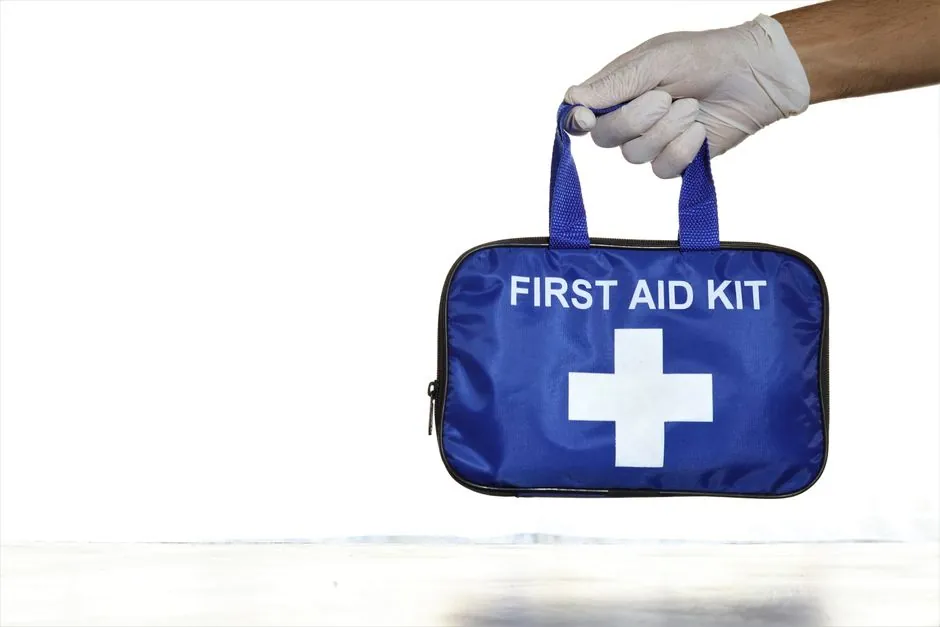
Class B workplace first aid kits serve up to 50 people and contain a broader range of supplies for complex or high-risk injuries [S4].
Industrial users can compare Class A, Class B, and trauma-focused configurations by injury severity, workforce size, portability, and bleeding-control capability [S1][S4][S8].
Class B Kits Match Higher Workplace Risk
ANSI and ISEA standards outline two classes of workplace first-aid kits: Class A kits for 25 people or less and Class B kits for up to 50 people [S4]. Class B configurations carry more supplies and additional items intended for higher-risk operations such as construction, warehousing, and heavy manufacturing [S8].
That distinction is practical, not cosmetic. A Class B kit gives a response team more options when an injury is more complex, while a Class A kit remains appropriate for ordinary workplace hazards and smaller populations [S4]. Industrial sites may also need separate specialist kits for bleeding control, burns, eye irrigation, or respiratory and chemical hazards rather than treating one general-purpose kit as complete coverage [S1][S2].
Trauma Supplies Address the First Critical Minutes
Uncontrolled bleeding can become fatal within minutes, before emergency medical services arrive, so trauma supplies must be immediately accessible rather than buried in a general cabinet [S1]. Bleeding-control products available through workplace suppliers include blood-clotting agents, bandages, and dedicated kits [S2][S5][S6].
Trauma-oriented kits may contain trauma bandages, hemostatic agents such as QuikClot, tourniquets, sterile gloves, and scissors for removing clothing or bandages [S6][S7]. Gloves protect both the casualty and the responder from contamination, while scissors can be necessary when clothing must be cut away to expose or treat a wound [S7].
A workplace first aid kit therefore needs more than adhesive bandages. In a high-risk industrial setting, the package should support rapid bleeding control, wound packing or bandaging, airway adjuncts, and emergency communication while trained responders work [S1][S2].
Class A, Class B, and Trauma Kits Serve Different Roles
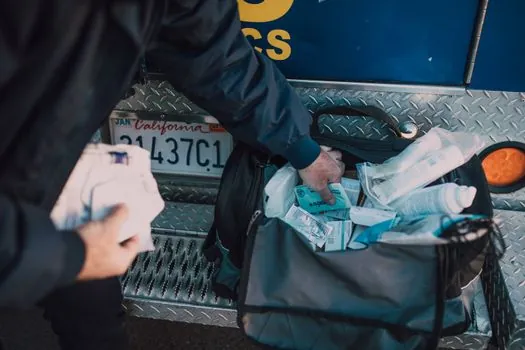
Class A kits address common workplace injuries for up to 25 people, while Class B kits cover more complex or high-risk conditions for up to 50 people [S4]. Trauma kits are narrower in scope, concentrating on critical injuries and supplying components such as trauma bandages and hemostatic agents [S6].
For procurement, cost per employee is less useful than coverage against the site hazard inventory. A larger Class B unit may suit a 40-person fabrication area, while a vehicle or remote crew may still need a separate mobile trauma kit even if the facility already has a compliant cabinet [S1][S4][S5]. The cost comparison in First Aid Kit Price Comparison: Class A vs Class B provides a separate framework for evaluating the two standardized classes.
Industrial Response Requires Site-Specific Supplements
Manufacturing responses need equipment aligned with actual hazards, not only the highest kit class. Listed trauma contents include sterile gloves, a tourniquet for severe bleeding control, and scissors for cutting clothing or bandages [S7]. Refillable workplace systems can add gauze, dressings, tape, burn care, eye care, diagnostics, medications, and unitized replacement modules [S2].
Chemical and process plants need to inventory foreseeable injury types before ordering. Burns call for dedicated burn treatment, while eye exposure requires suitable irrigation equipment and an eye wash station positioned according to the site’s hazard and access requirements [S2]. Confined spaces, vehicle movement, heavy equipment, and remote work also affect whether supplies must travel with the crew rather than remain in a fixed cabinet [S4][S5].
Mounting and portability are separate design decisions. Product portfolios include backpacks, soft cases, hard cases, wall mounts, vehicle-oriented mobile kits, and separately stocked bleeding-control stations [S1][S5]. A backpack carried by a trained responder, a hard case stored at a remote work area, and a wall-mounted cabinet can serve different response times without being substitutes for one another.
Storage and Refill Systems Decide Readiness
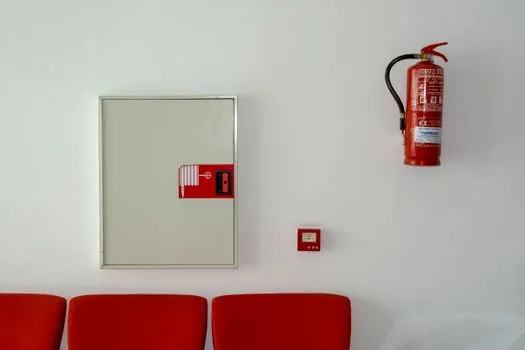
A stocked kit still fails if used items are not replaced or if the package is difficult to open. Durable, refillable systems are marketed for workplace use, and suppliers organize replenishment by bandages, antiseptics, gauze, dressings, tape, bleeding-control items, emergency supplies, medications, burn care, eye care, and instruments [S2].
Trauma kits may include gloves, bandages, tourniquets, and clotting materials, and used supplies should be replenished [S1][S2][S7].
Units are available in refill packs, including dedicated Class A and Class B resupply formats and general bleeding-and-emergency modules [S1][S2]. The practical decision is whether one common module matches the kit architecture already deployed or whether mixing components creates gaps and makes inspections less reliable.
Standards and Training Define Real Readiness
ANSI and ISEA standards distinguish Class A kits for common workplace injuries and 25 people or less from Class B kits with a broader range and quantity of supplies for more complex or high-risk environments and up to 50 people [S4]. Product suppliers also position workplace kits for OSHA and ANSI compliance, but purchasing a labeled case alone does not establish that every required component remains present [S2][S3].
Training is part of the response system. Manufacturing guidance specifically identifies trauma components such as sterile gloves, tourniquets, and scissors [S7], while the Red Cross catalog includes first aid, CPR, AED, severe trauma, bloodborne-pathogens, and professional-responder training [S3]. A site should match responder training to the kit contents, particularly for tourniquet application, hemostatic products, CPR, and exposure control.
Commercial supply pages are useful for identifying configurations, not for replacing a site-specific risk assessment. The defensible specification is a Class A or Class B base package plus task-specific trauma, burn, eye, and environmental modules, followed by controlled inspection, replenishment, and responder training [S1][S2][S7].
Track three procurement signals: the percentage of planned sites carrying a Class B or trauma kit, the number of expired or missing components found during scheduled inspections, and the time required to reach a mobile trauma kit at the highest-risk work area. These measures expose whether the selected class, placement, and refill system match the actual response requirement.