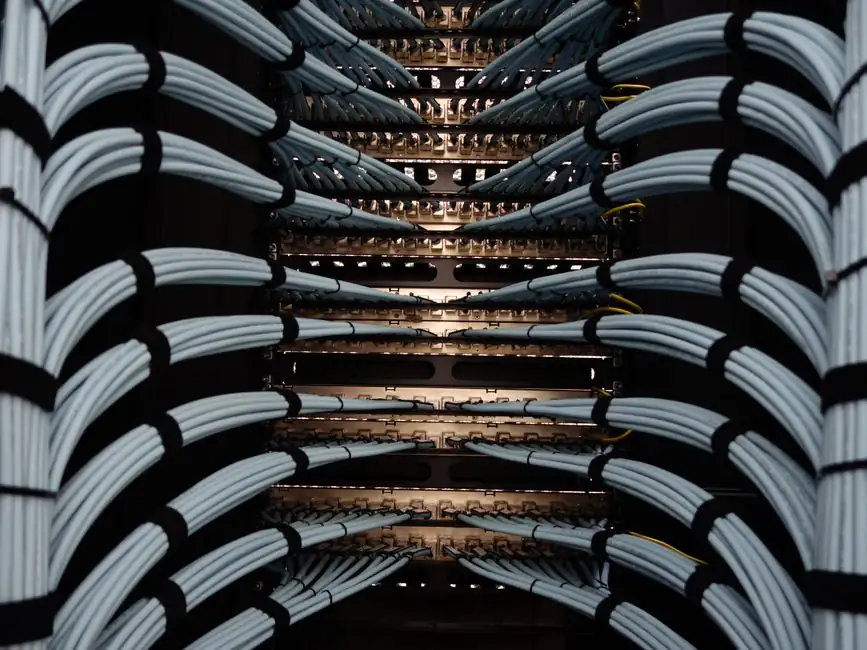
Medium-voltage switchgear in the 15kV class is running 52 to 80 weeks and 38kV equipment stretches to 78 to 104 weeks, roughly double the 24 to 34 weeks that were standard pre-COVID [S1][S4].
Industry-wide reporting averages 44 weeks for switchgear, but that figure pools residential, commercial, and data-center classes [S2]. Hyperscale and AI-driven data centers are projected to absorb 68% of US load growth through 2030, and the electrical-equipment market for those facilities is expected to climb from roughly $20 billion in 2026 to $65 billion by 2030 [S4]. For owners and EPCs, the practical question is which design moves actually shorten the line, and which ones just shift blame downstream.
Spec Standardization on the Three Common Voltage Platforms
Data-center-class switchgear is concentrated on three voltage platforms, 15kV, 27kV, and 38kV, and pushing projects onto the most populated classes is the single largest lead-time lever procurement teams control [S1][S4].
Designs that request non-standard arc-resistance ratings, uncommon bus ratings, or non-standardized control schemes add engineering hours and move the unit into a lower-priority production slot. The dominant frames (5/15kV 63kA arc-resistant, 27kV 40kA, and 38kV 40kA) ship first because they are running on shared tooling and stocked subassemblies. Locking to these platforms, with a documented set of approved manufacturers, materially improves the chance of landing a confirmed production slot rather than a build estimate that drifts quarter to quarter [S3][S5].
Approved-Vendor Lists and Pre-Design-Freeze Slot Booking
Engaging manufacturers before design freeze and committing to a written approved-vendor list of two or three qualified suppliers, with identical spec sheets across that list, is the procurement move that most reliably converts a quoted lead time into a delivery date [S3][S4].
Major OEM large-frame slots for power equipment are reported as allocated into 2028, and a leading engine OEM carried a roughly $63 billion total order backlog through 2025-08 [S5]. When the factory queue controls the schedule, the only leverage a buyer has is early commitment and spec consistency. In practice this means a one-line standardization matrix (voltage class, MVA, basic impulse level, arc rating, IEC 62271-200 / IEEE C37.20.7 common clauses) issued to every vendor on the list, with the same relay family and the same control scheme. EPCs that follow this pattern are reporting that three-phase padmount transformer lead times (the 40-plus week class data center projects actually need) hold within a quarter of the original quote, while ad-hoc spec jobs slip by a full quarter on requote with no price change [S2][S3].
What Standardization Will Not Fix: Raw-Material and Emissions Gating

Standardization shortens the engineering and queue position, but it does not remove the upstream constraints that gate the production line itself, principally copper supply, SF6 phase-down, and EPA Tier 4 emissions configuration [S4][S5].
Copper prices rose over 66% from 2020 to 2023 with an additional roughly 10% increase since early 2024, while domestic US mine production fell 6% in 2024 following an 8% drop the prior year, and a final 5% decline into 2025 [S4]. The same squeeze hits the bus bar and contact assemblies inside every switchgear cubicle. SF6-free or SF6-reduced switchgear using vacuum or fluoronitrile-based interruption removes a separate compliance and supply-side bottleneck, but only on a parallel SKU the buyer has to specify. On the genset side, an EPA Tier 4 Final package under 40 CFR Part 60 Subpart IIII with aftertreatment can add queue time over a Tier 2 emergency-use unit, even on the same engine platform, because the certification paperwork is separate [S5].
Alternative Sourcing Paths: Refurbished, Rental, and Cancellations
A resilient procurement plan compares new, refurbished, and rental equipment rather than treating the factory queue as the only path, because tested used and surplus inventory moves at 1 to 4 weeks while new units queue for a year or more [S3][S5].
The practical mix on a stalled project is: a new build for the long-tail standardized gear that defines the permanent plant, paired with a tested used or rental switchgear and a refurbished padmount transformer to bridge the gap until the new order lands. Two constraints govern this strategy. First, electrical ratings, dimensions, connections, environmental requirements, controls, and service support have to be validated against the spec sheet before the unit ships, because rework during commissioning is a far worse schedule hit than the original lead time [S3]. Second, any rented or used gear needs the same IEEE C37.20.7 or IEC 62271-200 arc-resistant rating as the permanent unit, or it cannot sit on the same bus. The fastest path on a project a few months from energization is almost always someone else's canceled order; that market is real, but it is thin and price-driven, and it is the market that the data-center build pipeline is now buying from [S2].
Schedule Risk: Why Factory Lead Time Is Not Time to Power

Factory lead time is not time to power, and data-center teams should plan a commissioning-ready date 20 to 40% beyond the quoted production window, because the gap between factory-out and energized cubicle is where most schedule slip is currently hiding [S5].
The chain is: factory queue (the quoted number), factory acceptance test scheduling, logistics for an oversized load, on-site handling with a 90-ton crane in many cases, field acceptance testing, relay settings upload, and utility interconnect witness testing. Each step has its own queue. NERC's Summer Reliability Assessment has flagged elevated transformer lead times as a reliability concern for the bulk power system, and the National Infrastructure Advisory Council has called the transformer shortage a clear strategic risk to grid reliability, which is a fair signal that the supply chain is now a planning constraint, not a procurement detail [S2]. The current MV transformer market is documented in detail in this site's Data Center MV Transformer Shortage 2026 coverage.
What to Lock Before Issue for Bid
Before issue for bid, three things should be locked in writing: the voltage-class shortlist, the approved-vendor list, and the acceptable-alternates list, with the same spec sheet sent to every vendor and the same relay family across all bids [S3][S4].
The voltage-class shortlist should default to 15kV, 27kV, and 38kV, with explicit written justification for any project that needs a non-standard class, because that justification is what the factory will use to refuse a slot when the queue is tight. The approved-vendor list should name two or three qualified OEMs, with documented evidence that each has shipped the required frame in the last 18 months; a vendor without a recent build cannot give a real delivery date. The acceptable-alternates list should specify, line by line, what dimensions and ratings are acceptable, what refurbished condition is acceptable, and what rental gear is acceptable for the bridge period. Once that document is signed, the next signal to track is slot confirmation in writing from the factory, not a sales-engineer estimate, and a published factory window that moves by more than a quarter from the original quote, which is the early indicator of a requote risk [S1][S3][S5].
Trackable signals for the next two quarters: published slot allocation statements from major OEMs (allocation into 2028 is the current reference), copper price and US mine production data (down 6% in 2024, down a further 5% into 2025), and NERC Summer Reliability Assessment revisions on transformer lead times, all of which together set the realistic floor on medium-voltage switchgear delivery dates through 2027 [S4][S5].
Component reference pages worth checking: data logger, lead screw, and pressure transmitter.