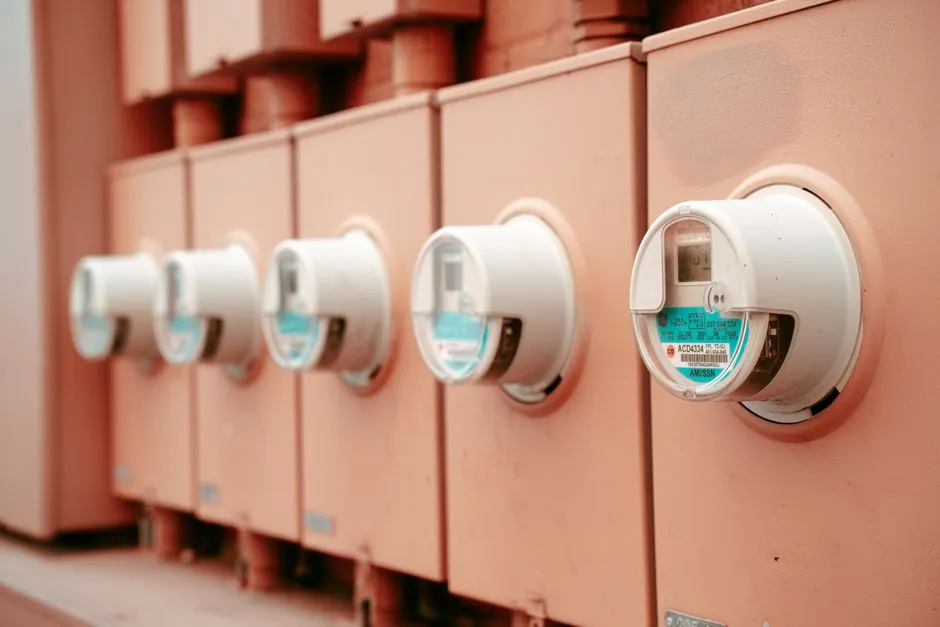
Standby generator selection for 2026 is a four-axis decision, specifically kW class, fuel (natural gas / LP / diesel), transfer-switch coordination, and protection package, and getting any of those wrong by a factor of two changes the install cost more than the engine price [S2].
Residential air-cooled units cover the 8-26 kW band and are dominated by four brands (Generac, Kohler, Cummins, Briggs & Stratton) at the US dealer level, while liquid-cooled diesel sets in the 20-500 kW band cover small commercial, telecom, and data-center standby duty, per the active vendor and dealer pages surveyed on 2026-08-15 [S1][S3][S5].
Sizing: Pick the kW Class by Largest Motor, Not by Nameplate Sum
Engineers spec standby kW from the running load plus the worst-case motor starting kVA, not the arithmetic sum of nameplates, since a 5 hp induction motor can draw 6x its full-load current at start [S2]. NEC 700 and NFPA 110 classify the equipment by maximum 10-second pickup and by the alternative source's ability to carry the full emergency load within that window.
Three sizing bands dominate real bids. Residential 8-26 kW air-cooled sets feed a 200 A main panel; small commercial 30-150 kW liquid-cooled sets feed a 400-800 A service; and medium-voltage standby starts at 500 kW with paralleling switchgear [S1][S2][S3]. Briggs & Stratton's model-number scheme (6-character model, 2-character revision, prefix 04) confirms the 10 kW, 12 kW, and 17-20 kW points as common residential steps [S4].
Fuel Class: Gas, LP, or Diesel, Decided by Site, Not Preference
Natural gas and LP units win on residential and small-commercial sites because the fuel line is already there and emissions are lighter, while diesel wins wherever runtime per gallon, refuel logistics, or NFPA 110 Type 10/Class X duty is in the spec [S2][S3].
Three tradeoffs drive the call. NG/LP units throttle cleanly and need no day-tank, but derate about 10% on LP versus NG; diesel holds rated load at altitude and ambient extremes with less derate, but adds a sub-base fuel tank, fuel polishing, and EPA Tier 4 final aftertreatment on the 100-750 kW band. A useful spec-side comparison:
Fuel option vs. duty fit, per the active vendor pages [S1][S3]:
1) Natural gas (residential, light commercial, 8-150 kW): cleanest install, no refuel, fuel supply is single point of failure unless a dual-fuel kit is added.
2) LP vapor (residential, rural sites without gas main, 8-26 kW): same engine family as NG, derates ~10% versus NG, requires on-site tank sizing for runtime hours.
3) Diesel (commercial, telecom, data center, 20 kW to multi-MW): highest energy density per gallon, NFPA 110 Type 10/Class X capable, requires fuel polishing and emissions aftertreatment on 100+ kW sets.
Transfer Switch and Protection: the Part That Actually Trips
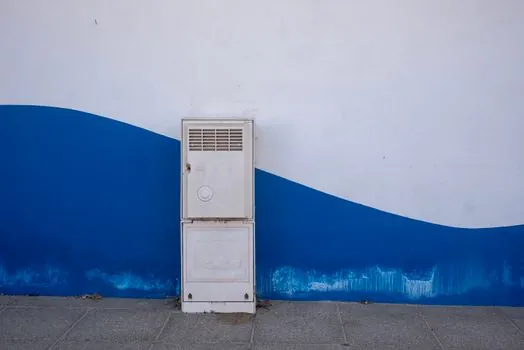
The transfer switch and its protective relay package decide whether the standby system actually carries the load, and CED Engineering's PDH course on standby generator protection lists the standard medium-voltage protections as overcurrent (50/51), over/undervoltage (59/27), over/underfrequency (81O/81U), reverse power (32), loss-of-excitation (40), and sync-check (25) for closed-transition units [S2].
ASCO is the most-cited transfer-switch brand on US dealer pages, paired with load-bank hardware for NFPA 110 monthly exercising on 100+ kW sets [S5]. Engine block heaters, battery warmers, and fuel heaters are non-optional for any set rated for outdoor or unconditioned-space duty below 40 F ambient, and they typically draw 1-2 kW each from the utility side.
The relay-protection selection breaks cleanly along voltage class. 600 V class residential/light-commercial switches use molded-case breakers and a simple ATS controller. 5-15 kV medium-voltage switches need protective relays, PTs, CTs, and a sync-check relay if closed-transition is specified, plus a 4-cycle withstand rating on the switchgear [S2].
Who Should Not Pick the Cheapest Air-Cooled Unit
Three project profiles are wrong-fit for a 10-26 kW air-cooled residential standby. First, any site with a 3-phase service, since most air-cooled residential sets are single-phase 120/240 V only [S1]. Second, any site with a required runtime above 48 hours on a single fuel source, since LP tanks and NG pressure drops under sustained load. Third, any NFPA 110 Type 10/Class X or Level 1 EPSS site (healthcare, fire pumps, certain data centers), which mandates diesel and a defined 10-second pickup window [S2].
Within the residential band, dealers carry a 12-year parts-and-labor warranty on Generac Guardian-class units through at least one Texas dealership network, an unusually long coverage window that is exclusive to the dealer/manufacturer bundle rather than to the OEM alone [S1]. Briggs & Stratton publishes model numbers in the 04xxxxxx format with a 2-character revision suffix; matching the revision in parts lookups is the single biggest lever for first-time-right service parts [S4].
Vendor and Dealer Landscape, August 2026
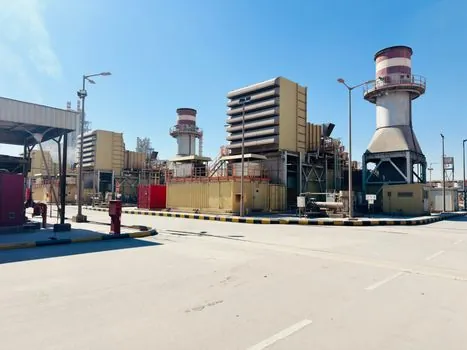
The active dealer network in the US Northeast and Texas carries Kohler, Generac, Cummins-Onan, Briggs & Stratton, and Winco at a minimum, with ASCO transfer switches and load banks as standard subcomponents [S1][S5]. National Standby Repair's job posting on the surveyed page requires a minimum 5 years of field experience on diesel and gas engines for technician hires, a useful proxy for the install-base complexity on commercial sites [S5].
For larger kW class and paralleling switchgear, Chinese and Asian OEMs (BYC Power being a representative example) ship containerized diesel and trailer-mounted units with FAWDE, Doosan, or WeiChai prime movers, typically targeted at telecom, rental, and data-center standby outside the US residential market [S3]. These units are commonly offered with parallel control cabinets for multi-set synchronization on a common bus.
For a broader procurement view that touches concrete and infrastructure costs, the recent concrete and SEC 8-K procurement signal for Granite Construction Inc. shows the same fixed-cost inflation pattern that drives generator pad and equipment anchorage costs up year-over-year, and the industrial accelerometer market note covers the vibration-monitoring hardware that pairs with a standby engine predictive-maintenance plan.
Shortlist logic for a 2026 spec: under 26 kW single-phase, NG or LP, pick from the four major residential brands via a dealer that bundles 10+ year parts coverage; 30-150 kW liquid-cooled, evaluate diesel vs NG on runtime and emissions, and verify ASCO or equivalent ATS; above 500 kW or any medium-voltage site, require a paralleling switchgear spec and a documented NFPA 110 Level classification [S1][S2][S3][S5].
Spec-level background on the components involved: linear guide, crossed roller guide, and function generator.