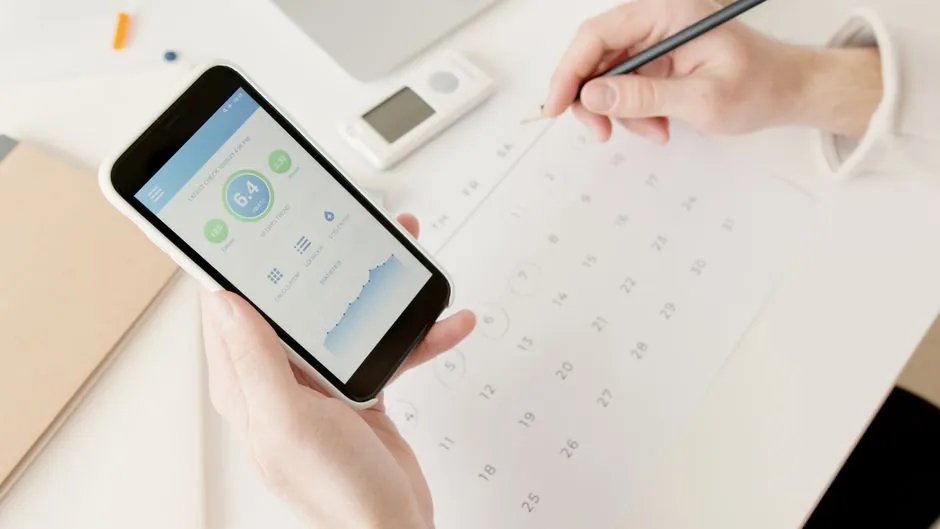
Temperature monitoring suppliers offer products ranging from thermistors and RTD probes to wireless monitors, data loggers, and validated cloud systems for factories, laboratories, hospitals, and shipments.
The United States temperature monitoring device market includes 184 companies, with the supplier list spanning sensors, software, validation services, and cold-chain hardware [S8].
Sensor Categories and Industrial Roles
Microtherm North America offers NTC, PTC, and KTY thermistors, 100 ohm, 500 ohm, and 1000 ohm platinum RTD probes, temperature switches, and fuses. Its specified applications include motors, boilers, heaters, transformers, refrigeration machinery, fans, and pumps [S1].
That product range makes a temperature sensor supplier suitable for equipment protection and process control, not just spot measurement. A 100 ohm platinum RTD, for example, belongs in a fixed installation where the process engineer needs a repeatable analog input, while a thermistor can suit compact electronics with limited space and simpler circuitry [S1].
The broader sensor supply chain includes Temperature Specialists, Ashcroft, Tempco Electric Heater, Delta M Corporation, Innovative Sensor Technology USA, Spectec, Act Sensors, and bisco industries [S1]. The listed companies differ in scale: founding years range from 1852 for Ashcroft to 1999 for Reading Thermal, while annual sales categories range from $1 million–$4.9 million to more than $250 million [S1].
Remote Systems for Controlled Environments
SensoScientific provides cloud-connected monitoring for hospitals, laboratories, pharmaceutical facilities, food storage, and server rooms. Its platform supports Wi-Fi and enterprise wireless systems, over-the-air technology, LDAP single sign-on, failover disaster cloud recovery, and A2LA-accredited calibration services [S2].
The SensoScientific offering is aimed at regulated environments that require documented configuration, calibration, and qualification. Its service scope includes IQ, OQ, and PQ validation, mapping validation, on-site calibration, and training, while the cloud operates on Microsoft Azure [S2].
These capabilities suit a user who needs a controlled system, not a buyer who only needs an isolated thermometer. The digital panel meter category covers local process indication, whereas a validated cloud platform adds centralized records, wireless access, and compliance documentation [S2].
Wireless Platforms and Alerting Options
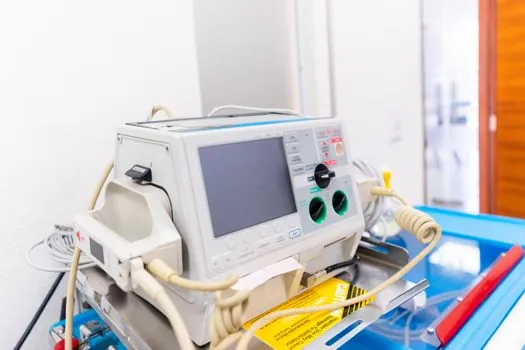
Mitti’s 2026 comparison lists 10 remote temperature-monitoring solutions: Mitti, Inauro, SmartSense by Digi, Sentry, Samsara, One Event Technologies, Swift Sensors, Monnit, Hanwell Technologies, and Kelsius [S3]. Mitti is priced at $5 per month per device, with volume-based discounts and per-site pricing [S3].
Mitti supports iOS, Android, and web access, and its listed features include 24/7 mobile alerts, escalation, humidex calculations, and in-app calibration [S3]. The temperature monitor category therefore separates into mobile software services and physical sensing systems that can include sensors, gateways, alarms, and cloud dashboards [S3].
SmartSense by Digi and Monnit represent connected device ecosystems, while Hanwell Technologies and Swift Sensors appear in the same 10-platform comparison [S3]. The decision criterion is not brand alone: evaluate radio coverage, alert routing, data export, calibration support, and whether one platform can cover multiple sites without losing local alarm behavior.
Cold-Chain Monitors and Traceability
Sensitech supplies conventional monitors, real-time temperature and location monitors, wireless monitors, and Ryan strip-chart recorders. Every TempTale temperature and humidity monitor is supplied with a NIST-traceable validation certificate [S5].
Conventional monitors provide recorded data after delivery, real-time monitors transmit information during transit, and wireless monitors allow data access without physically retrieving the device [S5]. Sensitech also supplies a USB Interface Plus docking cradle, creating a controlled path for downloading records from loggers that lack continuous network connectivity [S5].
For cold-chain qualification, the transport environment matters. Temperature inside an insulated package does not reveal the full cause of an excursion, so the truck or container temperature should be measured alongside the package to distinguish product exposure from vehicle conditions [S5].
Portable, Laboratory, and Process Instruments

Fluke Technologies is identified with portable thermometers for electronic maintenance and construction checks, while Rohde and Schwarz is associated with precision measurement instruments for scientific and communications testing [S4]. Honeywell, Omron, and Keller Group are also listed among global temperature-monitoring manufacturers for aerospace, manufacturing, water treatment, and environmental applications [S4].
This vendor list covers different device classes rather than interchangeable substitutes. A portable thermometer supports troubleshooting, a laboratory instrument supports measurement quality, and a fixed transmitter supports automation. For a control loop, the temperature controller performs the regulating function, while the monitoring device supplies independent evidence of process temperature and alarm conditions.
Dickson provides temperature sensors and probes designed to work with its temperature data loggers, supporting monitoring and temperature-mapping workflows [S7]. That compatibility matters because sensor, logger, software, and calibration records should be treated as one system when preparing validation evidence.
Selection Criteria and Failure Modes
Fixed equipment, regulated spaces, and shipments require different monitoring architectures. A thermistor or platinum RTD probe supports local measurement, a wireless system supports distributed alarms, and a temperature and humidity data logger supports evidence collection for a completed delivery [S1][S3][S5].
Compare the main options against four criteria. First, measurement suitability: thermistors, RTDs, and probes fit fixed or portable measurement, while data loggers fit transport records [S1][S5]. Second, response mode: conventional loggers provide post-delivery data, wireless monitors permit remote retrieval, and real-time monitors transmit during transit [S5]. Third, compliance evidence: calibrated cloud systems provide validation, mapping, IQ/OQ/PQ, and accreditation services [S2]. Fourth, deployment scale: one site can use a local panel instrument, while multiple warehouses or fleets benefit from centralized dashboards and escalation [S2][S3].
Common failure modes include a sensor placed away from the monitored zone, a logger that records package temperature without vehicle context, and a platform that sends alarms but cannot produce calibration or validation records [S2][S5]. In a related selection framework, temperature monitoring device sizing and selection can be used to map the measured duty before comparing supplier platforms.
Supplier Evaluation Checklist
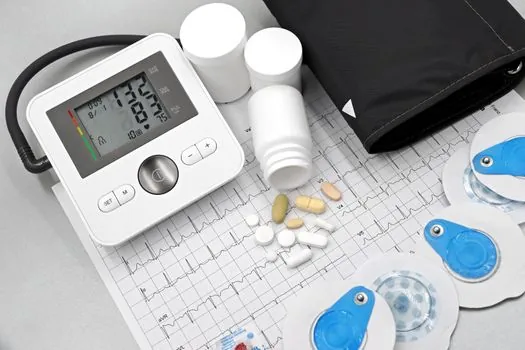
A qualified supplier should identify the sensor technology, measurement range, accuracy, output method, power source, radio path, alarm behavior, calibration route, and data-retention format. Evidence should include 100 ohm, 500 ohm, or 1000 ohm platinum RTD options where appropriate, NTC, PTC, or KTY thermistor options, and the device’s supported communication platform [S1].
Verify operational support as well as hardware. SensoScientific provides A2LA-accredited calibration, on-site calibration, mapping validation, and IQ/OQ/PQ services [S2]. Sensitech provides a NIST-traceable validation certificate with each TempTale monitor, while its device range covers conventional, real-time, wireless, and strip-chart formats [S5].
Use shipment-specific and facility-specific evidence to shortlist vendors. The direct-relief case reached 100 shipments with life-saving drugs, an 84% distribution rate before adoption, and success rates above 95% after using TempTale GEO Ultra monitors, providing a trackable baseline for evaluating cold-chain visibility [S5].