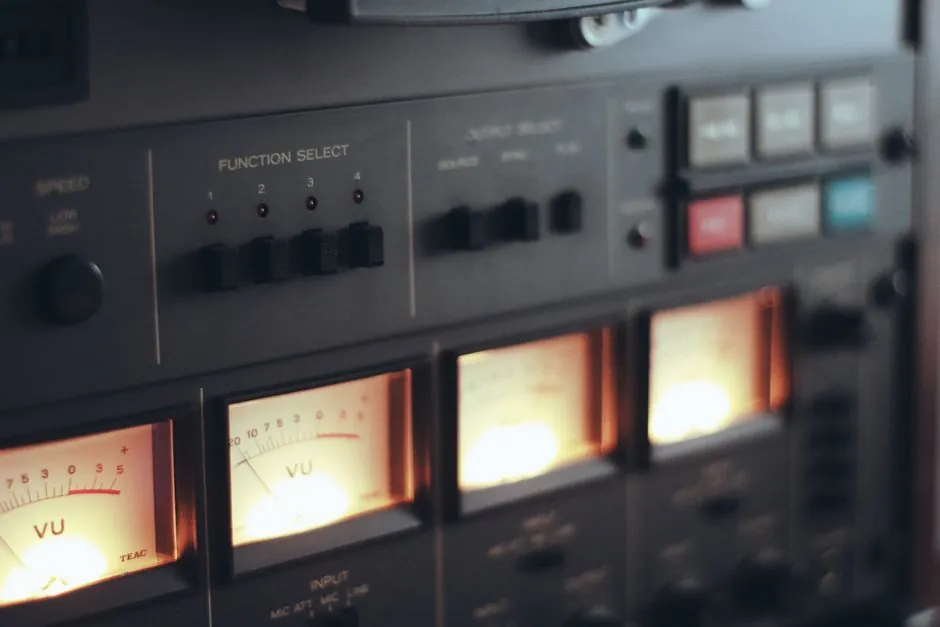
The industrial temperature recorder market in 2026 segments into three clear tiers: low-cost single-use USB loggers in the $35 to $205 range [S1], mid-range multi-channel industrial units with extended battery life and dual-probe support [S3], and dedicated chart-recorder specialists with self-contained bimetallic sensors and NIST-traceable compliance for regulated cold-chain and laboratory use [S2].
Major distributors including MicroDAQ, Fisher Scientific, and Testo NZ aggregate stock from at least 15 instrument manufacturers, with Dickson Company alone accounting for 21 of the chart-recorder SKUs catalogued on Fisher Scientific's US storefront [S2]. Mid-tier industrial loggers such as the Testo 174 T cover -30 °C to +70 °C, store up to 16,000 readings, and ship with PDF and Excel export software [S3].
Vendor landscape and price tiers
MicroDAQ lists 19 instrument manufacturers on its temperature data logger page, including LogTag Recorders, MSR Electronics, HOBO Data Loggers, Berlinger, ACR Systems, Lascar Electronics, Monarch Instrument, TandD, and VersaLog, with the LogTag TRIX-8 single-use USB recorder priced at $35.00 and the VersaLog 8-channel thermistor logger listed at $599 [S1]. HOBO's MX2304 outdoor Bluetooth model with external sensor sits at $195.00 on the same catalogue, signalling the typical premium of around 5x for Bluetooth connectivity over a wired single-use device [S1].
Fisher Scientific's 36-SKU temperature recorder catalogue is dominated by Dickson (21 SKUs), with secondary presence from Fisherbrand (2), Pendotech (4), and Chemglass Life Sciences (1) [S2]. 23 of those SKUs are flagged under the "Small and Specialty Supplier" classification, reflecting the US federal small-business designation relevant to procurement routing [S2]. Testo's industrial range in New Zealand complements this with testo 174 T at NZD 204.60, designed for long-term temperature recording and process validation [S3].
Channel count, sensor type, and memory tradeoffs
Channel count is the primary differentiator between consumer and industrial-grade loggers. Single-channel USB models such as the LogTag TRIX-8 and Testo 174 T target compliance trips and last-mile cold-chain handoffs [S1][S3]. The VersaLog 8-channel thermistor logger and VersaLog 7-input-channel TH variant cover multi-point warehouse mapping and refrigerator array monitoring, with the larger memory needed to hold the additional readings [S1].
Sensor technology maps to use case: bimetallic strip sensors in Dickson SK4/SL4 chart recorders deliver mechanical reliability and a permanent physical trace, with a documented operating span of -28 °C to +38 °C at 312 g weight [S2]. Thermistor-based digital loggers such as the VersaLog 8-channel and Testo 174 T offer higher accuracy and direct USB export, with the Testo 174 T supporting 16,000 readings before offload and secure automatic data backup during battery change [S3].
Calibration, compliance, and standards coverage
MicroDAQ operates an ISO/IEC 17025:2017 accredited calibration lab covering -70 °C to 660 °C for temperature measurement equipment [S1]. Fisher Scientific lists ISO 17025 and NIST compliance on its chart recorder SKUs, which is the relevant traceability for regulated pharmaceutical, food safety, and clinical laboratory use [S2]. Testo's industrial range targets the same compliance workflows, with the testo 174 T supporting Excel export and PDF report generation for quality assurance documentation [S3].
For wireless monitoring at higher tier, buyers should evaluate the Testo 162 and Testo 160 environmental monitoring families, which are positioned for continuous remote monitoring rather than the trip-based compliance use cases served by single-channel USB units [S3]. Buyers specifying Wi-Fi or Ethernet-attached loggers for warehouse or production-facility deployment can consult the industrial temperature humidity recorder specification page for ambient monitoring reference data, and cross-check channel count and isolation requirements against the paperless recorder specification page for higher-channel panel-mount systems.
Operating range and environmental limits
Recorded operating spans on the 2026 market range from -50 °C to +1000 °C across Fisher Scientific's chart recorder SKUs, with discrete cold-chain windows such as -14 °F to +32 °F (freezer), 22 °F to 68 °F (refrigerator), and 50 °F to 96 °F (ambient/room) [S2]. Industrial mid-tier USB loggers like the Testo 174 T stop at +70 °C on the high side and -30 °C on the low side, which rules out autoclave, steriliser, and cryogenic applications [S3].
Power options on Fisher Scientific's chart recorder lineup include 120/240 VAC and 12 VDC variants, with battery-powered USB loggers dominating the cold-chain shipping category [S2]. Buyers specifying equipment for outdoor or washdown environments should confirm IP rating directly with the vendor, since the research material does not publish an IP figure for any specific SKU.
Selection criteria and who each supplier serves

Single-use and low-cost loggers (LogTag TRIX-8 at $35) serve one-way cold-chain shipments and compliance trips where retrieval and reuse are not required [S1]. Mid-range industrial loggers (Testo 174 T at NZD 204.60, HOBO MX2304 at $195) serve warehouses, production facilities, and storage areas needing longer battery life and dual-probe support [S1][S3]. High-channel industrial systems (VersaLog 8-channel at $599) and wireless monitoring families (Testo 162, Testo 160) serve continuous remote monitoring of multi-point sites, with the higher cost reflecting memory depth, channel count, and network infrastructure [S1][S3].
Buyers specifying chart recorders with a physical trace should default to Dickson SKUs, which dominate Fisher Scientific's 21-product chart-recorder inventory [S2]. Buyers needing calibrated multi-channel digital loggers with software export should default to Testo, HOBO, or VersaLog families. Buyers seeking a single-vendor consolidation across USB, wireless, and chart formats can work through distribution partners like MicroDAQ, which holds inventory from at least 19 brands under one catalog [S1]. For a deeper comparison of channel count, span, isolation, and accuracy tradeoffs, the temperature recorder sizing reference covers the decision framework.
Limitations and sourcing constraints
The 2026 sourcing picture has three documented constraints: first, MicroDAQ's price filter on the referenced page caps at $895.01, so high-end wireless systems sit outside that slice of the catalogue [S1]. Second, Fisher Scientific's small-and-specialty-supplier flag on 23 of 36 SKUs signals that some chart-recorder brands are routed through niche fulfilment channels rather than bulk distribution [S2]. Third, the Testo NZ catalogue explicitly states all prices are exclusive of GST, which adds a fixed percentage at checkout and affects landed-cost comparison against US-listed MicroDAQ prices [S3].
Buyers should also note that accuracy, IP rating, battery life in months, and probe types are not consistently published across the three catalogues reviewed, so spec sheets must be requested from the manufacturer for any procurement-grade comparison. For cold-chain and pharmaceutical buyers pairing a temperature recorder with a label printer for shipping containers, the cold chain labeling machine spec map covers the matching environmental envelope. For semiconductor fabs and cleanroom buyers, the semiconductor temperature recorder spec map outlines the higher accuracy tier.
Track the Testo 162 and Testo 160 wireless monitoring families for continued firmware updates in 2026, since Testo's NZ catalogue presents them as the active remote-monitoring product line replacing legacy single-channel Wi-Fi loggers [S3]. Watch for new Dickson SKUs under the "Temperature Chart Recorder" filter, which currently holds 6 SKUs in Fisher Scientific's catalogue and represents the largest single product-type concentration outside the Fahrenheit/Celsius chart paper SKUs (5 each) [S2].
Detailed specification references: temperature recorder.