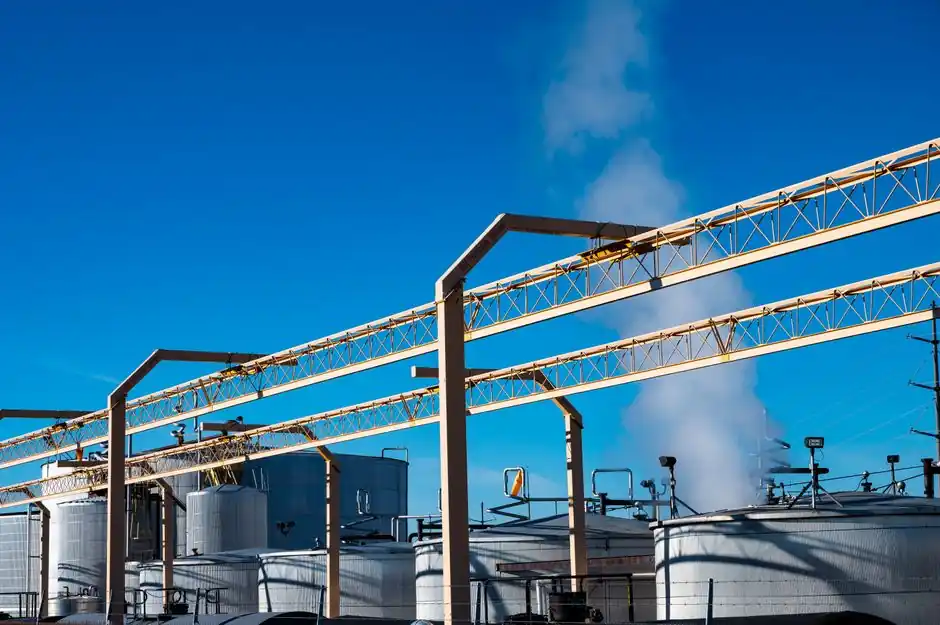
Electrochemical cells remain the dominant sensor class for the four most-plant-critical toxic gases (Cl2, CO, H2S, NH3), with PID photoionisation added for VOC leaks and IR NDIR reserved for flammable hydrocarbons [S1][S3][S5].
For a working chemical-plant envelope, the realistic gas list runs to roughly 7 species: H2, Cl2, NH3, H2S, CO, O2 deficiency, plus solvent VOCs, each carrying a distinct exposure limit, density, and corrosion profile that drives both sensor choice and detector placement [S3].
Match Sensor Technology to Target Gas, Not the Other Way Round
Electrochemical sensors are the most common technology for detecting specific toxic gases including CO, H2S, Cl2, NH3, and SO2; they read concentration via a chemical reaction between the target gas and an electrolyte, and are noted as accurate but temperature-sensitive [S1][S5]. For a chlorine line in a chlor-alkali unit or an ammonia refrigeration header, the same technology covers both, but the cell chemistry, reference electrode, and bias are gas-specific, and a sensor calibrated for H2S will not read Cl2 except through documented cross-sensitivity [S1].
For volatile organic compounds at sub-ppm level, a photoionisation detector (PID) is the default, and field practice is to run a PID check on tank headspace and confined-space entry points to screen for hydrocarbon vapour before opening [S3][S8]. For flammable hydrocarbon hazards the IR (NDIR) or catalytic-bead path applies, not the toxic-gas path; this is the single most common line-item mistake in detector schedules [S1].
Decision Criteria: Gas, Range, Cross-Sensitivity, Lifespan
The four decision criteria that drive a defensible toxic-detector schedule are: (1) target gas and required measurement range, typically 0-10 ppm to 0-100 ppm for H2S and 0-10 ppm for Cl2 in occupational settings, (2) cross-sensitivity behaviour of the chosen cell against background species, (3) expected sensor life, commonly quoted at 24-36 months for field-swappable electrochemical cells before drift exceeds calibration tolerance, and (4) response time T90, which for an electrochemical toxic cell typically lands in the 15-60 s band versus sub-10 s for IR and PID [S1][S4][S5]. Pricing pressure and lead time are not selection criteria on a safety loop; the toxic gas detector category exists precisely because the wrong cell on the wrong gas fails silently.
For oxygen monitoring the trigger is fixed by regulation rather than judgement: alarm at 19.5% O2, the OSHA-mandated level for deficient-oxygen entry, with normal atmospheric readings between 19-23% and the 12% level treated as the immediate danger threshold for loss of consciousness [S4].
Comparison of the Four Sensor Families Used in Chemical-Plant Loops

For a chemical-plant gas-detection loop, the four sensor families most often specified are electrochemical, IR (NDIR), catalytic bead, and PID. The trade matrix below is grounded in the public guidance from MGS Technology and Sensitron [S1][S3]:
Electrochemical cells cover the toxic-gas envelope (Cl2, CO, H2S, NH3, SO2) at low ppm, are accurate, but are temperature-sensitive and degrade in corrosive service. IR NDIR is the stable, contamination-resistant choice for flammable hydrocarbons but does not read most inorganic toxics. Catalytic bead is low-cost for flammable gas detection but can degrade in harsh chemical environments and is poisoned by silicones, lead, and sulphur. PID is effective for low-concentration VOCs and organics such as benzene, toluene, and solvents, but is non-selective across ionisable species and needs regular lamp/electrode cleaning [S1][S3].
The cross-cutting rule: a combustible gas detector built on IR or pellistor technology will not satisfy a toxic-gas monitoring requirement, and a PID will not satisfy an LEL requirement. The two safety functions are specified and budgeted as separate loops even when mounted in the same physical enclosure.
Certification and Hazardous-Area Compliance for the Loop
For any detector mounted inside an ATEX zone 1 or zone 2 boundary around a chemical reactor, pump, or solvent tank, the equipment must carry ATEX 2014/34/EU certification (EU) or the equivalent IECEx Scheme certification under IEC 60079 for international projects, with the installation itself meeting ATEX 99/92/EC (the worker protection directive) [S3]. In Italy, the same project layers Legislative Decree 81/08 occupational-safety obligations on top of the ATEX framework, but the equipment-level certification is the ATEX 2014/34/EU mark and the IEC 60079 series, not the national law [S3].
Sensor choice and certification are independent: a perfectly certified IR flammable-gas head is still the wrong sensor on a chlorine line, and a correctly specified electrochemical Cl2 cell still needs the right Ex-d or Ex-i marking for the zone it sits in. Buyers who conflate the two end up with a detector that is certified for the area but blind to the gas, or sensitive to the gas but illegal in the area. For broader chemical reagent handling on the same plant, the same ATEX/IEC 60079 logic applies across storage, transfer, and sampling stations.
Placement, Density, and Height: Where the Detector Goes Matters as Much as What It Is
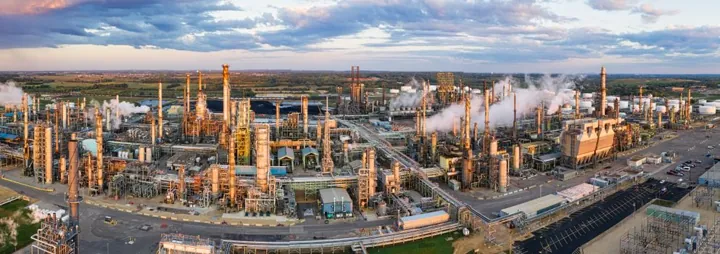
Detector placement is governed by gas density and release geometry: lighter-than-air gases such as hydrogen and ammonia (at process temperatures well above its -33 °C boiling point) demand ceiling-level mounting, while heavier-than-air gases such as chlorine and most chlorinated VOCs demand floor- or low-elevation mounting, with sensors placed near pipelines, valves, flanges, and storage-tank interfaces [S1]. Sensor density is a function of release-source count, ventilation geometry, and the methodology established for complex industrial layouts, with grid and computational-fluid-dynamics-based placement treated as a separate engineering exercise from the sensor-specification step [S2].
Common field errors include installing the wrong-gas sensor in the right location, missing calibration schedules, ignoring sensor degradation in corrosive service, and using uncertified equipment in hazardous areas, each of which converts a paper-compliant loop into a non-performing one [S1]. A practical pairing with the Toxic Gas Detector Installation: Heights, Spacing, and Commissioning reference turns the placement rules above into a site-walk checklist.
Integration with DCS, Alarms, and Maintenance Windows
Detection is only useful if the signal reaches an actuator: a fixed toxic-gas detector should output a hardwired analog 4-20 mA signal (or a digital HART/Modbus variant) into the plant DCS or a standalone safety PLC, with two programmable alarm thresholds (TLV/TWA-derived warning and IDLH-derived trip) and relay outputs hardwired to horns, fans, and emergency block valves [S1][S4]. Smart-sensor variants that expose calibration date, remaining sensor life, and event logs over HART or a service bus reduce the manual bump-test burden on the maintenance crew and are now standard on most fixed toxic-gas platforms from RC Systems, Sensitron, and their peers [S4][S9].
Field-swappable pre-calibrated electrochemical sensor modules (O2, H2S, SO2, NH3, Cl2, HF, and others) cut mean-time-to-repair from hours to minutes and are a meaningful line item when writing the spares budget, since the detector head itself usually outlives multiple cell replacements [S4]. This is also where a gas detector spec for a chemical plant and a chemical material inventory spec intersect: the detector list must list every gas the chemical anchor and piping schedule actually carries, not just the ones the original EPC team wrote down.
Selection Checklist and Likely Watch-Items for the Next Spec Cycle
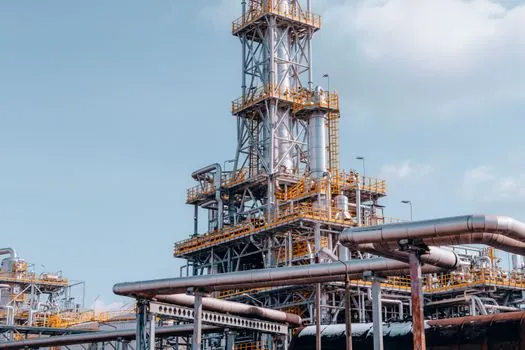
A defensible toxic-gas detector spec for a chemical plant lists, per loop: target gas, sensor technology, measurement range, T90 response time, expected sensor life, cross-sensitivity notes, alarm setpoints referenced to TLV-TWA and IDLH, ATEX/IEC 60079 zone rating, output protocol, and calibration interval, with each item tied to a documented target gas on the plant P&ID [S1][S3][S9].
Trackable signals for the next 3-6 months: IECEx certification renewals on field-swappable smart cells from the major fixed-detector vendors, and any plant-side revision of detector density studies tied to updated CFD models for complex chemical layouts [S2][S4]. Buyers should also watch the Fixed Gas Detector Certification Checklist for Wastewater Plants reference, since the same ATEX/IEC 60079 evidence pack transfers to a chemical-plant bid with minimal delta.