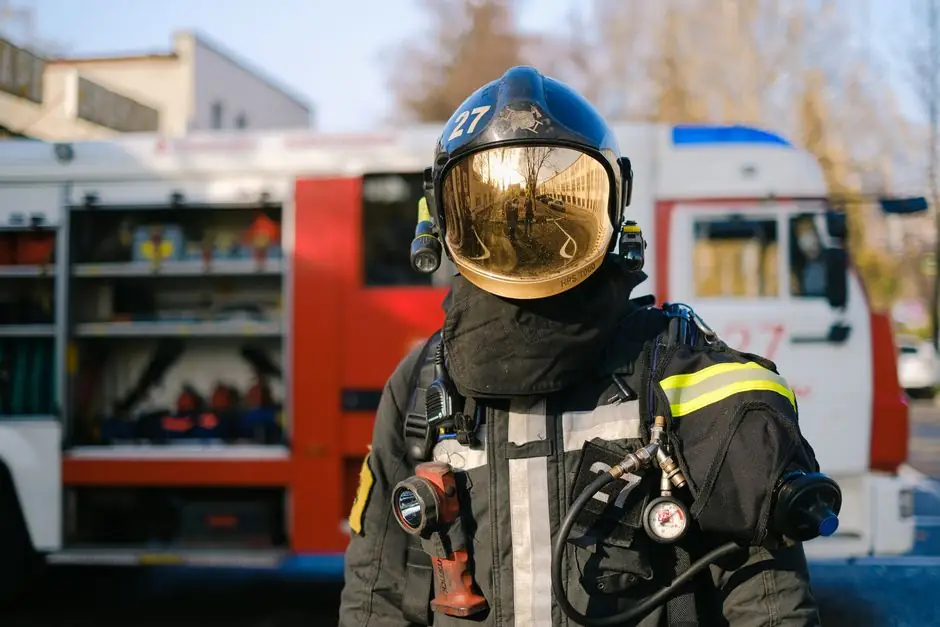
Fire ground atmospheric monitoring is built around the Toxic Twins, CO and HCN, with short-term exposure limits of 100 ppm and 4.5 ppm respectively, and both gases are produced simultaneously by modern structure fires driven by synthetic materials [S5].
Detection is not a generic "smoke alarm" decision: sensor count, target gas list, and pump-versus-diffusion sampling change the instrument class from a 24/7 single-gas CO badge to a 5-7 channel HazMat unit, and the wrong choice leaves either a CO pocket or a VOC like benzene invisible to the crew [S1][S2].
Why CO and HCN Drive the Fire Ground Sensor Stack
CO is odorless, tasteless, and produced in nearly every fire, while HCN is generated by the combustion of synthetic materials including polyurethane foam, nylon, and Styrofoam, both gases being colorless and frequently co-located in structure smoke [S3][S5]. The "Toxic Twins" label exists because CO and HCN act synergistically: combined exposure produces a health effect greater than the sum of each gas alone, which is why the Fire Smoke Coalition campaigns for joint monitoring rather than CO-only badges [S3]. A 2012 national survey of 244 firefighters showed 40% career, 34% combination, and 25% volunteer respondents, with line firefighters still unfamiliar with gas detection on the everyday fire scene [S3].
For a working specification, expect at least one dedicated CO channel, one HCN channel, O2 for depletion/asphyxiation, and an LEL channel for combustible gases such as methane, propane, or hydrogen, the last of which carries a 4% volume lower flammability limit in air [S5]. A portable gas detector carrying these four channels is the baseline overhaul instrument; anything below that is single-purpose.
Single-Gas vs Dual-Gas vs Multi-Gas: Mission-Based Selection
Single-gas CO detectors such as the Dräger Pac 6000 are positioned as 24/7 disposable instruments, with a stated 2-year maintenance-free runtime and rugged, chemical- and shock-resistant housings, designed to be strapped to a medical kit and forgotten until they alarm [S1]. They suit CO calls, residential rehab, and personnel-monitor duty, but they cannot warn of HCN, O2 depletion, or combustible atmospheres.
Dual-gas units such as the Dräger Pac 8500 combine CO with either H2S or O2 in one housing, and the CO channel can be ordered as a hydrogen-compensated sensor to suppress H2 cross-sensitivity on the CO reading, removing the need to carry two single-gas detectors side by side [S1]. For crews rotating between CO calls and confined-space standby, this is the most efficient step up from a single-gas badge.
Multi-gas instruments span 4 to 7 channels: the Dräger X-am 8000 measures up to seven gases (toxic, flammable gases and vapors, and oxygen) simultaneously in either pump or diffusion mode, aimed at clearance measurement during overhaul and at HazMat [S1]. HazMat-grade detectors from mPower add chemically-specific sensors for over 20 toxic compounds, the largest single-vendor toxic-channel count referenced in the firefighter space, including compounds outside the standard 4-gas envelope [S4]. Refer to the multi-gas detector reference page for the full sensor and alarm-setpoint matrix.
VOC and Chemically-Specific Channels: When a PID Is Required
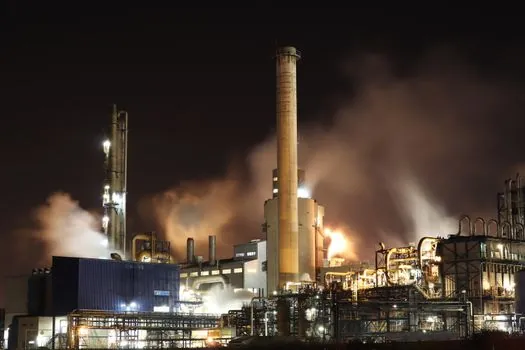
Standard 4-gas monitors will not see benzene, toluene, or other volatile organic compounds released during industrial and chemical fires; for those atmospheres, a photoionization detector (PID) is mandatory [S2][S5]. The ION Science Tiger XT portable PID is documented to detect over 750 VOCs and other toxic compounds, with rapid response for HazMat entry and overhaul where combustion chemistry includes refined hydrocarbons, solvents, or unknown plumes [S2].
Industrial fires add further targets beyond the CO/HCN/LEL/O2 core: HF, H2, and atypical VOCs are listed in the firefighter hazard inventory and require sensors outside the four-channel standard kit, so a toxic gas detector spec for an industrial brigade should be expanded to include at least a PID plus an HF or H2 channel depending on the inventory at risk [S5].
Cross-Sensitivity and Sensor Limits: Where Readings Lie
Toxic sensors react to other gases, so an instrument reading a value of the intended target cannot be assumed to be free of interference from a co-present gas; the Firefighter Air Coalition flags this as the single most common operator misconception at the fire scene [S3]. Dräger's hydrogen-compensated CO sensor exists specifically to reduce CO over-reading when H2 is present, which is a textbook example of cross-sensitivity mitigation at the sensor level rather than the algorithm level [S1].
Operationally, the Coalition also notes there is no industry-wide best practice for detection during overhaul, which means sensor choice alone does not fix the safety problem: agencies must pair the instrument with written SOPs, training, and an explicit decision rule for when to re-don SCBA based on readings, not habit [S3]. A combustible gas detector channel also has its own cross-sensitivity caveats and poisoning modes; for example, silicone vapors and certain silicates can permanently depress a catalytic-bead LEL sensor, which matters during overhaul of silicone-containing building materials.
Decision Matrix: Instrument Class vs Fire Ground Mission
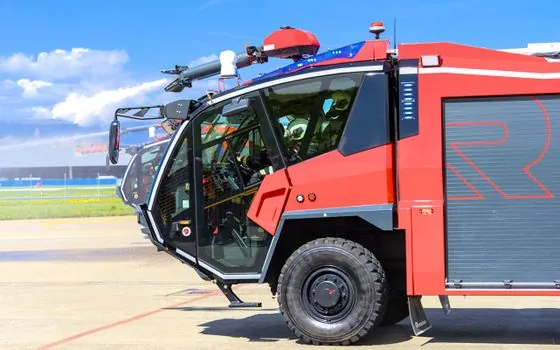
Selection maps cleanly to mission. CO calls and rehab monitoring: single-gas CO, 2-year disposable, diffusion mode, 24/7 wear. Overhaul and structure fire entry: 4-gas (CO, HCN, O2, LEL) with HCN as a mandatory channel, pump mode for confined-space sampling, audible/visual alarms at 100 ppm CO STEL and 4.5 ppm HCN STEL [S1][S5]. HazMat and industrial fires: 5-7 gas with PID, optional HF, H2, and chemically-specific sensors for the relevant inventory, ideally with a hydrogen-compensated CO channel to suppress H2 cross-sensitivity [S1][S2][S4].
Who this is for: career fire departments, industrial brigades, and HazMat teams with a written atmospheric-monitoring SOP. Who this is not for: volunteer brigades buying a single CO badge and expecting overhaul safety coverage, since that instrument will not warn of HCN or oxygen depletion at the same time. For procurement reference, the fixed gas detector and gas detector encyclopedia entries cover permanent installations that complement, not replace, the personal monitoring carried into the structure.
Standards, Sourcing, and Training Constraints
Performance certifications for portable detectors used by first responders typically reference IECEx or ATEX (2014/34/EU) for explosion protection, with ingress ratings tied to the expected wash-down and decon environment; sensor-specific performance for CO and HCN electrochemical cells is commonly qualified against IEC 60079-29 family requirements for toxic and combustible gas detectors. Buyers should match the certification scheme to the operating zone: a non-certified consumer CO badge is not interchangeable with an IECEx-certified 4-gas unit, even if both display ppm. The oxygen detector reference page documents the O2-setpoint conventions (typically 19.5% vol low and 23.5% vol high) that a fire service spec should explicitly call out. [S1]
Trackable signals for the next procurement cycle: vendors continuing to extend hydrogen-compensated CO sensors into mid-tier 4-gas units, PID channel count being marketed as a HazMat differentiator, and SOP-driven rollout of multi-gas monitoring to line firefighters, which the Coalition's 2012 baseline survey shows is still far from universal [S3]. A practical trackable next step: a 2026-09 follow-on article covering respirator fit testing and SCBA selection as the air-purification complement to the atmospheric monitoring outlined here.