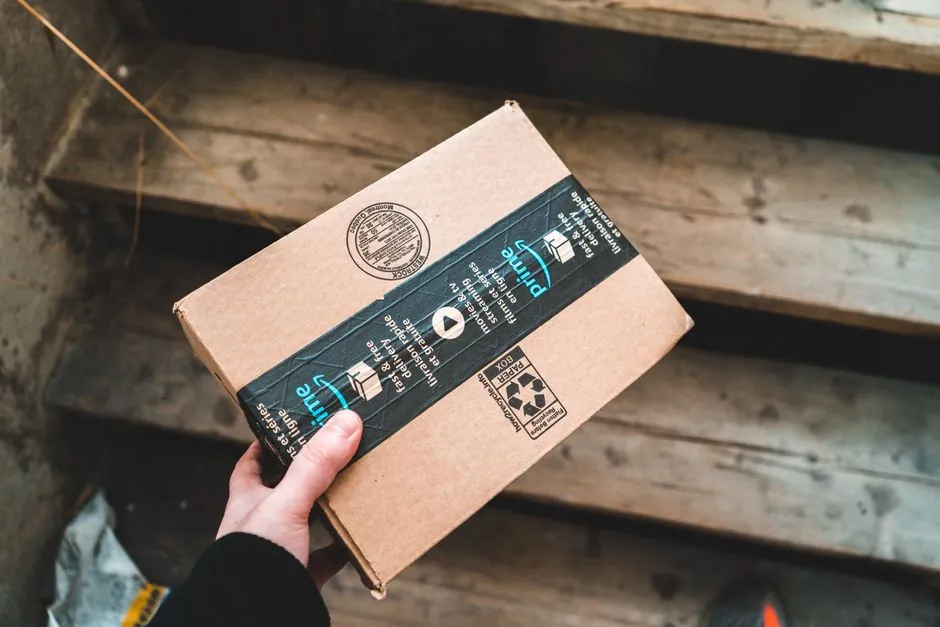
For e-commerce fulfillment, a 600x400 mm footprint HDPE turnover box, 30-50 L usable volume, vented sidewalls, 25-30 kg dynamic load rating, and 5,000+ cycle life is the practical spec baseline used by 3PL operators and brand-owned DCs [S1][S3][S6].
The box sits inside the receiving-storing-picking-packing-shipping loop, so the spec has to be driven by how the order is picked (shelf, tote, AMR, AS/RS) rather than by catalog aesthetics. The five-stage e-commerce process, from receiving inventory, organizing inventory, picking and packing, shipping, and exchanges [S5], decides whether a vented, stack-nest, or foldable box is even usable, and brands that get this wrong pay for it in 14-month ROI gaps and oversell rates approaching 5% [S6].
Footprint, Wall Pattern, and the Picking Model
600x400 mm is the European/Asian de-facto footprint for shelf-bin and tote-based picking because it divides cleanly into standard 1200x800 mm and 800x600 mm rack bays; North American 3PLs frequently use 24x15 inch or 27x17 inch footprints that map to 48x40 GMA pallets [S1][S2]. Vented sidewalls cut weight by 15-25% versus solid, improve airflow for ambient chill and produce lines, and allow barcode scanners to read contents without opening the lid; solid walls protect fragile cosmetics and electronics from crush and puncture during single-line pick-pack. A box that nests empty at a 4:1 ratio cuts return-trip trailer cube by roughly 60-70% versus rigid corrugated [S4].
For autonomous mobile robot (AMR) and goods-to-person (G2P) cells, the box must register cleanly with the robot's lift mechanism, meaning consistent rim deflection under 1.5 mm at rated load, molded-in handle cutouts, and a flat lid interface for stack-nest variants; shelving and pick-cart workflows tolerate wider tolerance bands [S3][S4]. When the operation is a 3PL serving multiple brands with different SKU dimensions, standardized 30-50 L volumes let one box handle 70-80% of catalog items without custom dunnage.
Load Rating, Resin, and Cycle Life
Dynamic load capacity in the 25-30 kg range covers most single-line e-commerce picks, including apparel multi-pack, small appliances, and grocery ambient; static stacking of 4-6 boxes (roughly 100-150 kg on the bottom unit) is the common pallet-build condition the resin must survive over thousands of trips [S3][S6]. Injection-molded HDPE at 0.95-0.96 g/cm³ density gives the best balance of impact strength at -20°C, cold-storage toughness, and recycling stream compatibility; PP is stiffer and lighter but more brittle below 0°C, which is a hard fail for freezers, while recycled-content HDPE (PCR) typically trades 10-20% of cycle life for 15-30% lower unit cost [S1].
Cycle life claims of 5,000-10,000 trips are realistic for virgin HDPE boxes used within rated load, but that number collapses fast under five failure modes common in e-commerce DCs: overstacking above the marked static line, fork-truck puncture of the rim, UV exposure on outdoor staging lanes, detergent wash chemical attack, and stacking of mismatched footprints that creates point loads. A spec clause requiring 5,000 documented cycles at 25 kg dynamic load under ISO 8611-style testing is the gate that separates a real industrial box from a consumer tote labeled for B2C [S2][S6].
Options Comparison: Vented, Solid, Foldable, and Conductive
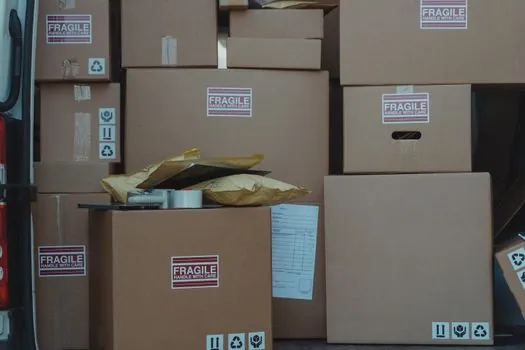
For spec-driven selection, four turnover box variants dominate e-commerce, and a side-by-side read against the four criteria that matter to fulfillment engineers, cost per trip, temperature range, cleanability, and AMR fit, looks like this. Foldable/collapsible PP boxes cut empty return cube by 75-80% versus rigid, ideal for reverse logistics and pop-up DC, but cycle life drops to 2,000-3,000 trips and the hinge is the typical failure point; conductive (ESD) boxes, with surface resistivity typically cited in the 10⁴-10⁹ Ω/sq range, are required for electronics picks and add 40-80% to unit cost, with the same temperature band but stricter wash chemistry to keep the carbon-black-loaded surface from leaching [S1][S3][S4][S8].
Selection rule: if the SKU mix is 80%+ general merchandise, specify vented HDPE; if fragile or premium, add a solid-wall variant for those lanes; if the network runs reverse-logistics loops above 500 km, foldable earns back its higher unit cost in under 18 months; if any pick face contains PCB or battery items, ESD-rated boxes are non-negotiable regardless of cost premium.
Use Cases by Fulfillment Model
Self-fulfilled small brand (under 500 orders/day) typically runs 200-500 boxes, mostly 30-40 L vented, owned outright, and washed in-house. Outsourced 3PL running multi-tenant omnichannel fulfillment, often with seasonal peaks that can triple volume overnight, needs 1,000-10,000+ boxes, pooled by footprint, with WMS-tagged RFID or barcode labels molded into the rim; this is the segment where Skunexus-cited $180k fulfillment technology investments with 14-month ROI are most often justified [S6]. Fulfilled-by-Amazon-style mega-center operations run the box as a one-way consumable or a short-trip rental, so cost per trip matters less than tare weight and cube efficiency on inbound trucks [S2][S3].
For grocery and meal-kit fulfillment, vented food-grade HDPE (FDA 21 CFR or EU 10/2011 compliant) with smooth interior walls for washdown is required, and the box typically lives in a -20°C to +4°C environment; this is where the rough temperature rule of "HDPE down to -20°C, PP only above 0°C" comes from [S5]. For B2B replenishment moving out of the same DC, the same box has to survive both e-commerce single-line picks and wholesale case picks, which pushes spec toward the higher 30-50 L volume and reinforced corner ribs.
Limitations and Failure Modes Spec Must Catch
Three common failure patterns kill turnover box ROI in e-commerce DCs and are avoidable only at the spec stage. First, mismatched static and dynamic load ratings: a box rated 25 kg dynamic often fails at 100 kg static if stacking is uncontrolled, and 3PL multi-tenant pools stack inconsistently, so a 4-high static mark is mandatory [S6]. Third, wash chemistry: alkaline detergents above pH 11 stress-crack HDPE over hundreds of cycles; chlorine-based sanitizers craze PP, so the spec must match the wash recipe actually in use, not a generic "food-safe" claim.
Turnover boxes are not the right answer for heavy industrial parts above 50 kg, for chemicals that need UN-rated packaging, or for items requiring vacuum-formed dunnage inside the box, all of which need purpose-built carton-style outer packaging or dedicated industrial containers at a different scale. They are also not ideal for direct-to-consumer unboxing experiences, where brand-owned mailer boxes win on presentation; the turnover box is a working asset, not a marketing surface.
Specification Checklist and Sourcing Standards
A buyer-ready spec should lock seven items in writing: footprint tolerance ±2 mm, dynamic load ≥25 kg at 23°C, static stack ≥4 boxes at rated load, HDPE virgin density 0.95-0.96 g/cm³, operating temperature window matched to the DC (commonly -20°C to +40°C), cycle life ≥5,000 trips per ISO 8611 or equivalent test method, and food-grade or ESD certification only if the SKU mix requires it [S2][S6]. For large-format distribution, match the box footprint to the pallet spec, such as a 600x400 mm stackable turnover box mapping to a 1200x800 mm European pallet or a rigid cold-chain container used in produce DC; mixing footprints inside one DC is the fastest way to break utilization. Sourcing should also reference the reusable folding container family for any reverse-loop design, and the rigid plastic container category for long-life static storage lanes.
Trackable signals to watch over the next two quarters: 3PL RFPs shifting from price-per-box to price-per-trip contracts, RFID-tagged rim molding moving from pilot to standard on multi-tenant pools, and foldable PP designs closing the cycle-life gap on rigid HDPE. If two of these three land before Q4, the spec should be re-issued with cycle-life and trip-cost clauses strengthened.
Related analysis: Plastic Pallet Spec Map for Retail Distribution: Footprint, Resin, Load Class.