Shenzhen-based DT Prototype lists CNC machining, SLA/SLS additive, and urethane casting as parallel service lines under a single ISO 9001 quality system, with the company registered on Made-in-China since 2013 [S1].
FacFox (Makeit Technology), updated 2026-07-28, groups 3D printing, urethane casting, and injection molding on one site (facfox3d.com), signalling that prototype buyers in mid-2026 treat urethane casting as one node inside a broader digital-to-physical stack rather than a standalone trade [S8].
Supplier Geography and Certification Baseline
Made-in-China lists urethane-casting service vendors concentrated in Guangdong (Shenzhen, Zhongshan) and Hubei, with secondary capacity in Shanghai; the platform's featured factories such as Holy Precision and Mastars all hold ISO 9001 management certification and combine CNC, 3D printing, and casting on one floor [S1].
Hangzhou ICH Biofarm, Hebei Chuanghai Biotechnology, Hubei Ipure Biology, Hefei TNJ Chemical, and Anhui Witop Biotech are the five reference-grade Chinese suppliers of reagent urethane (ethyl carbamate, CAS 51-79-6) tracked on ChemicalBook, with typical assay 99% min and pack sizes from 1 kg to 25 kg [S2].
Zecheng Electromechanical (pu-castingmachine.com) supplies the capital equipment side of the chain: polyurethane casting machines, PU elastomer casting machines, polyurethane wheel casting machines, and foaming machines built in China for elastomer and seal production lines [S7].
Material Identity: Cast PU Resin vs Reagent Urethane
The same word covers two distinct industrial products: polyurethane (PU) cast elastomer used in parts, and urethane / ethyl carbamate (CAS 51-79-6, MF C3H7NO2, MW 89.09) used as a chemical intermediate — buyers should never conflate the two in an RFQ [S2].
Reagent-grade urethane CAS 51-79-6 is sold at 99% min assay in 25 kg drums or 1 kg packs; the chemical is a confirmed animal carcinogen and a transplacental carcinogen, with historical regulatory concern in alcoholic beverages at a 125 ppb limit, so food- or pharma-adjacent buyers must demand SDS and traceability rather than generic COA [S2].
Cast PU parts in the prototype-to-low-volume segment are typically two-part AB systems (polyol + isocyanate, often MDI or TDI-based) vacuum-degassed and poured into silicone moulds; this is the workflow behind every Shenzhen "urethane casting" service line, including DT Prototype's [S1][S8].
Service-Buyer Comparison: Prototype Shops vs Foundries
Prototype urethane-casting shops (DT Prototype, FacFox) compete on lead time, surface finish, and small-batch repeatability, typically 10-30 parts per master, with soft aluminium or 3D-printed masters machined in-house [S1][S8].
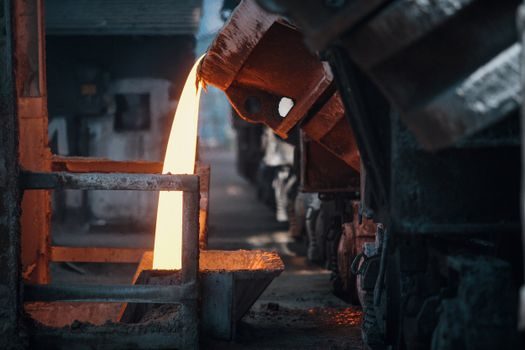
By contrast, foundries such as India's Technocast Foundry (Coimbatore) work in grey and ductile iron on high-pressure molding lines and ARPA 450/1300 shell moulding, with shell-moulded components from 100 g upwards, holding ISO/TS 16949:2009, ISO 14001:2004, and OHSAS 18001:2007 — a different process family altogether [S3].
For buyers mapping decisions, three criteria separate the field: (1) part material — PU elastomer vs cast iron vs cast steel; (2) batch size — prototype (10-30 parts) vs serial (hundreds-thousands); (3) certification depth — ISO 9001 general vs automotive-grade IATF 16949 vs chemical-reach REACH-compliant supply [S1][S3].
Adjacent Casting Capacity Used as Benchmark
Investment-casting process suppliers on Made-in-China are tracked at 211 manufacturers offering 633 products, predominantly ISO 9001:2015 certified, with MIM metal-injection, powder-metallurgy gears, and stainless steel valve/pump bodies as the cross-sell lines [S6].
Stainless-casting factories led by Shanghai Matech Machinery and Nanjing Dongkun Metals report ISO 9001 and serve the same machinery-parts customers who may also buy urethane prototypes for jigs, fixtures, and soft-tool end-use parts [S4].
Sand-cast ductile and grey iron parts from Chinese suppliers including AD Heavy Industry cluster at US$ 0.2-5 per piece, which sets a useful cost reference: PU cast prototypes sit 3-10x above this band once mould amortisation and vacuum casting labour are included [S5].
Equipment Side: PU Casting Machines
Zecheng Electromechanical's catalogue segments PU equipment into casting machines (resin and elastomer), wheel casting machines, foam machines, sealing-strip/gasket casting machines, synthetic-leather feeding units, and PU spray machines, supplying both automotive and industrial sealing production [S7].
For procurement teams, the decision pivot is elastomer vs foam: PU elastomer casting machines meter, mix, and dispense two-component resin for solid parts; PU foam machines use the same metering block but with a blowing agent to produce open- or closed-cell foam for furniture, automotive seat, and insulation parts [S7].
Limits, Failure Modes, and Sourcing Risks
Urethane casting services are constrained by master-mould life (typically 20-50 pulls for silicone), by post-cure cycle (24-72 h at 60-80 °C for full property development), and by section-thickness limits of 1-25 mm for clean casting — outside that window, exotherm and sink marks dominate [S1][S8].
Reagent urethane (CAS 51-79-6) sourcing carries acute regulatory risk: it is a confirmed animal carcinogen with transplacental activity, and historical beverage contamination was measured at 1000-12,000 ppb in some bourbons and brandies, so shipment paperwork must include hazardous-goods classification, not just assay certificate [S2].
Foundry-side risks are different: ISO/TS 16949:2009 is the older automotive standard and has been superseded by IATF 16949:2016, so a current RFQ should require IATF 16949 evidence rather than the older 16949:2009 mark alone [S3].
Selection Criteria for Buyers in 2026

Specify three filters in the RFQ: (1) material grade (PU resin system / Shore A hardness / MDI vs TDI backbone); (2) batch window (10-30, 50-200, 200-1000 parts); (3) certification (ISO 9001 minimum, IATF 16949 for automotive, REACH/RoHS for EU end-use) [S1][S2][S3].
Match the supplier type to the part family: Shenzhen prototype shops (DT Prototype, FacFox) for 10-30 PU parts and visual mock-ups; Zecheng for in-house PU elastomer or foam line equipment; Coimbatore foundries (Technocast) for serial grey or ductile iron castings; specialty chemical suppliers (ICH Biofarm, Hefei TNJ) only for reagent-grade urethane [S1][S3][S7][S8].
Trackable next signals to watch: IATF 16949 audit recert dates for Indian foundries serving EU automotive tiers, new ISO 9001:2015 reissuance by Shenzhen prototype shops, and any REACH SVHC listing change for MDI/TDI precursors that would re-classify Chinese PU casting shops exporting into the EU [S3][S1].
The underlying component specifications are covered under casting ladle, casting mold, and die casting die.
This topic is covered further in Zinc Die Casting vs Die Casting Machine: Spec-First Decision Map.