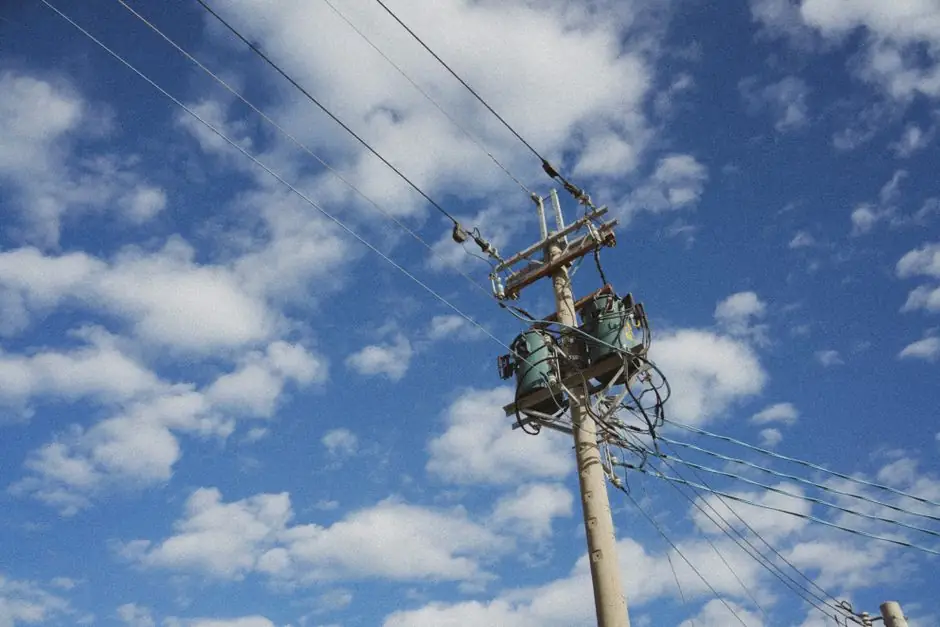
Utility-scale solar projects face transformer lead times of 52–86 weeks, with more recent project guidance reporting waits reaching 128 weeks [S1][S2].
A pad-mounted transformer that took 6–12 weeks to complete in 2020 can now consume more than two years of a construction schedule [S1], while utility-scale solar development itself commonly requires 24–48 months [S6].
Transformer lead times and utility interconnection delays are important factors affecting solar project schedules.
Large pad-mounted transformer orders took 6–12 weeks in 2020, but the comparable range expanded to 52–86 weeks, more than four times the former upper limit [S1]. A May 2026 engineering overview reported that interconnection queue delays averaged 55 months and that transformer lead times were reaching [S2]. The overview separately reports interconnection queue delays and transformer lead times [S2].
The distinction matters because a solar plant can have modules, inverters, and switchgear available while its transformer remains outstanding. Transformers at the step-up stage raise collection voltage for transmission connection, while other units step voltage down for site use [S1].
Developers should plan for a procurement window rather than treating transformer delivery as a routine construction purchase. A project with a 24–48 month development timeline may consume 52–128 weeks of that period inside the transformer supply chain alone [S1][S2][S6].
Interconnection queue delays average 55 months, while transformer lead times are reaching 128 weeks, making the grid-approval path longer than the equipment-delivery path in the cited utility-scale benchmarks [S2]. An average 55-month interconnection queue is about 4.6 years [S2].
Transformer and interconnection delays should not be combined into one headline number because they occur on different tracks. The queue governs when the project can obtain a network position and complete required studies or approvals. The transformer order governs when the required grid interface equipment becomes available [S2].
Projects with access to a suitable substation or transmission line have a different connection path from those that must build a new substation. Large solar developments connect to a substation or tap a transmission line operating at 69 kV or higher, while smaller three-phase distribution projects need a suitable line within about one mile for an economical connection [S5].
Transformer design choices alter price and delivery risk
Direct purchase and EPC routing change the queue
The commercial and scheduling consequences of buying directly or routing the purchase through an EPC are examined in Buying Transformers Direct vs Through an EPC: Where the Weeks Actually Come From.
For planning purposes, three criteria should separate the main procurement routes: who controls the technical specification, who manages the manufacturing slot, and who carries schedule escalation.
They support a project-specific schedule comparison instead.
Late equipment can create field rework and schedule loss

A transformer does not add delay only by arriving late.
Utility-scale solar projects depend on code-compliant electrical equipment that meets utility interconnection standards [S2].
A transformer delivery date is not the same as a usable commissioning date. The schedule should allow time for factory testing, delivery inspection, installation, oil or fluid checks where applicable, energization procedures, and protection-system validation. The public references establish that design scope and documentation must be coordinated early, but they do not provide a universal installation-duration figure for every transformer class.
Utilities need different planning assumptions
Developers should use a 52–128 week transformer planning window when the project requires a custom or highly configured unit, then validate the actual slot with the manufacturer [S1][S2]. The lower end of that range is not a guaranteed delivery date. It is a planning bound derived from published market conditions, not a commitment for a specific voltage, MVA rating, fluid, shielding arrangement, or test program.
Utility-scale developers are the primary audience for this approach because the step-up transformer is usually a project-specific grid interface. Microgrid and distributed-energy developers also face transformer shortages, including labor constraints in production of units that are difficult to automate [S3]. Smaller projects should not automatically apply the 128-week figure without checking transformer size, configuration, manufacturer capacity, and utility requirements.
The strongest signal to track is the manufacturing slot, not a preliminary delivery estimate. The second is the committed drawing and test schedule. If either changes after construction has begun, the 24–48 month project-development benchmark will not protect the commissioning date [S6].
Build the transformer schedule before the construction schedule
Reserve transformer capacity as soon as the connection concept is credible, then align voltage, MVA, fluid, shielding, control layout, test scope, and delivery milestones with the interconnection plan. Track manufacturing slot, approved drawings, factory test completion, shipping release, arrival, and commissioning readiness separately; a project with a 52–86 week order and a 55-month queue has two distinct schedules that must converge [S1][S2].