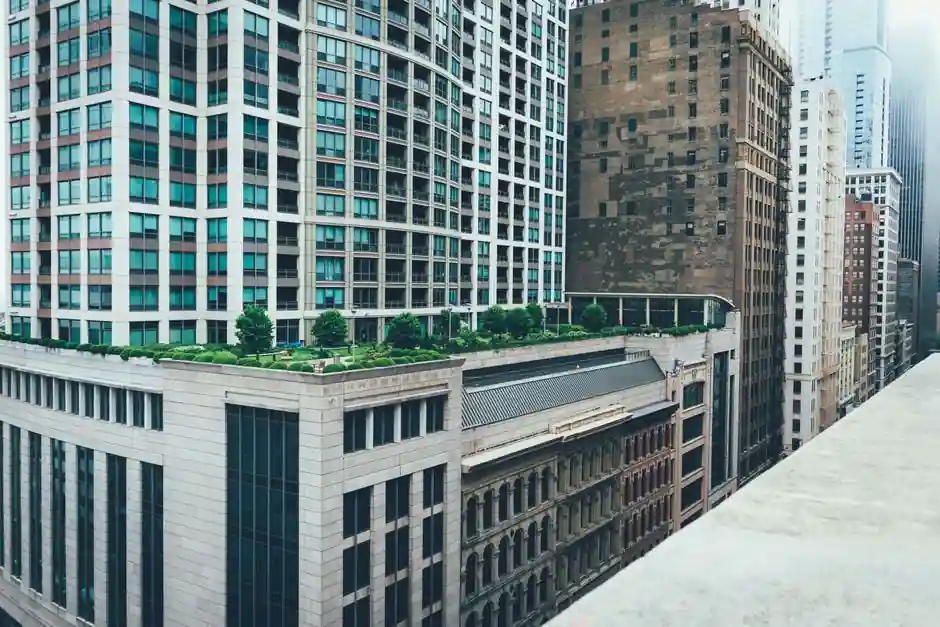
Specifying a waterproofing coating for a commercial envelope in 2026 comes down to a short list of chemistry families and a tight set of substrate, elongation, traffic, and exposure gates; pick the wrong binder and a roof fails in five years, pick the right one and service life runs 20 to 30 years [S2][S4].
The commercial market now runs across six core systems: elastomeric acrylic, polyurethane, polyurea, cementitious, rubberized asphalt, and fluid-applied silicone, with installed-cost bands documented at $1.50–$15 per square foot and elongation ranging from 150% in rigid cement systems up to 800% in polyurethane membranes [S4]. For specifiers who need a broader coating context, the industrial coating reference covers binders and film-formation behaviour that drive these differences.
Decision Criteria: What Gates the System Before Brand Selection
Selection gates outrank product brands on every commercial project, and four criteria consistently decide the chemistry: substrate bond, elongation, exposure (UV, traffic, immersion), and lifecycle cost band [S7].
Substrate bond rules out two options immediately: cementitious osmotic systems only bond to concrete and masonry, while hot-applied rubberized asphalt wants a concrete deck and a redundant drain design to avoid ponding [S3][S4]. Elongation follows function: traffic-bearing parking decks need 400% to 800% stretch, which points at polyurethane or polyurea; a rigid water tank wall accepts 0% stretch and a cementitious system [S2][S4]. Exposure dictates binder: fluid-applied silicone covers -65°F to 200°F+ service range and resists UV without a topcoat, while bituminous systems degrade under sustained UV unless buried or topcoated [S4]. The conceptual framing of these barriers as thermal waterproofing versus strictly moisture barriers is covered in the encyclopedia entry of the same name.
Chemistry Family Comparison on Four Selection Criteria
Direct comparison on substrate bond, elongation, exposure, and cost band is the fastest way to cut the 2026 field to one or two binders [S7].
Polyurethane offers 400-800% elongation with installed costs of $5 to $8 per square foot and a 15 to 25 year service life, while polyurea offers 20 to 30 years of durability but requires professional application [S2][S4]. Elastomeric acrylic is the budget pick at $2 to $4 per square foot, with 300% to 500% stretch and 10 to 15 year service life, though it needs recoating more often than premium chemistries [S4]. Cementitious is the cheapest at $1.50 to $3 per square foot and lasts 20 to 30 years, but it is rigid, so it cannot bridge active cracks; pair it with waterstops at movement joints [S4]. Hot-applied rubberized asphalt runs $8 to $15 per square foot with 25 to 40 year service life and self-healing behaviour, making it the choice for plaza decks and below-grade tanking [S4]. Fluid-applied silicone balances UV stability and a wide -65°F to 200°F+ service window at $4 to $7 per square foot, with 20 to 30 year service life [S4]. For a primer on how these fit into the broader waterproof coating family, the encyclopedia entry breaks down film thickness, permeability, and traffic tolerance.
Use-Case Mapping: Roof, Podium, Wet Area, Below-Grade
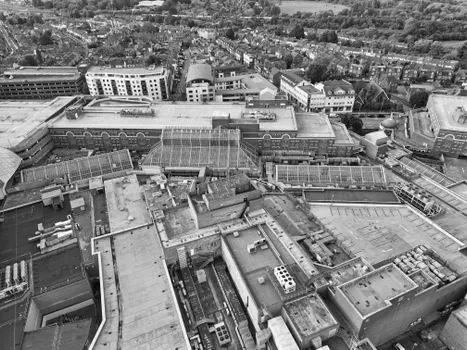
Roofs in the UAE climate take extreme heat, sand, and thermal cycling, so specifiers there default to liquid polyurethane or fluid-applied silicone for exposed roofs and bituminous membranes for buried or protected assemblies [S5].
Parking decks and podiums carry vehicle and pedestrian traffic, so traffic-bearing polyurethane or polyurea systems at $5 to $8 per square foot dominate, with hot-applied rubberized asphalt as the premium self-healing alternative for plaza decks over occupied space [S4][S5]. Wet areas, water tanks, basements, and retaining walls sit with cementitious systems, which bond chemically to concrete and handle both positive and negative water pressure at $1.50 to $3 per square foot [S4][S5]. External walls of low-rise commercial stock get elastomeric acrylic for its 300% to 500% elongation at $2 to $4 per square foot, where crack bridging matters more than chemical resistance [S1][S4]. Roofing-only build-ups where the structural deck is concrete sometimes use a cementitious waterproofing slurry topped with a polyurethane traffic layer; that hybrid shows up repeatedly in petrochemical and warehouse specifications [S5].
Standards, Codes, and Verification
BS 8102:2009 remains the dominant classification reference for below-grade waterproofing in UK and Australian projects, defining Type A (external barrier), Type B (integral), and Type C (drained) protection strategies [S3].
Chinese commercial waterproofing practice cites GB/T 19250-2013 for reactive polyurethane coatings, with both single-component and two-component formulations in the supply base and bridge-deck PU products rated at 6 MPa tensile strength [S6]. Independent moisture testing is non-negotiable on commercial projects, with infrared thermal imaging and moisture mapping called out as standard pre-application verification by one US contractor base [S4]. For specifiers who also manage corrosion-protection programmes, the coating thickness gauge reference documents dry-film thickness verification, which is the same discipline used to confirm waterproofing build-up on metallic substrates. Manufacturer documentation should always include elongation at break, tensile strength, and pull-off adhesion to the specific substrate, not generic data-sheet values [S2].
Where Systems Fail and How to Avoid It
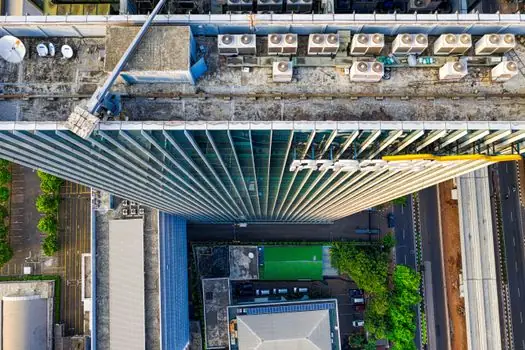
Poor substrate preparation causes most early coating failures, not product defects, with the failure mode showing up as delamination at the bond line within the first two to five years [S2].
Ponding water kills polymeric membranes faster than UV does, so flat-roof builds need effective drainage design and tapered insulation or crickets to direct run-off [S3]. Two-component polyurethane systems cure in five or more days at 23°C and 50% humidity, which extends construction schedules and leaves the membrane vulnerable to weather during cure; polyurea and PMMA cure in hours, which matters on live sites [S2]. Solvent-heavy systems need ventilation and PPE and are a poor fit for occupied commercial buildings; water-based acrylics are the safer default for retrofits over offices or retail [S2][S3]. The cheapest acrylics cost less up front but need recoat every five to seven years, so lifecycle cost usually beats a quoted low price once you run the 20-year total [S2][S4]. Specifiers working across adjacent envelope disciplines (roofing, insulation, cladding) often reference the polyurethane insulation selection guide for school buildings when they need a parallel binder system on the same project.
Sourcing and Cost Snapshot for 2026 Procurement
Procurement windows and lead times vary sharply by chemistry: water-based acrylics and cementitious systems ship in days from regional distributors, while polyurea and two-component polyurethane often run two to six week lead times because of qualified applicator scarcity [S2].
On the Chinese supply side, Made-in-China.com listings in April 2026 cluster PU waterproofing coatings into RMB-defined price bands that align with the $5 to $8 per square foot international benchmark, and a 6 MPa PU bridge-deck formulation is in active supply [S6]. For projects that also need a controlled batching and mix system for cementitious slurry, the concrete batching plant selection for road construction: spec map and sourcing gate reference documents how to spec volumetric versus planetary mixers, which is the same decision gate for slurry plants on waterproofing sites. Trackable signals to watch through 2026: the polyurea applicator-base expansion outside the Gulf and US Sun Belt, and any move to revise GB/T 19250 tensile and elongation thresholds upward as Chinese bridge-deck PU formulations push past the 6 MPa mark [S6].