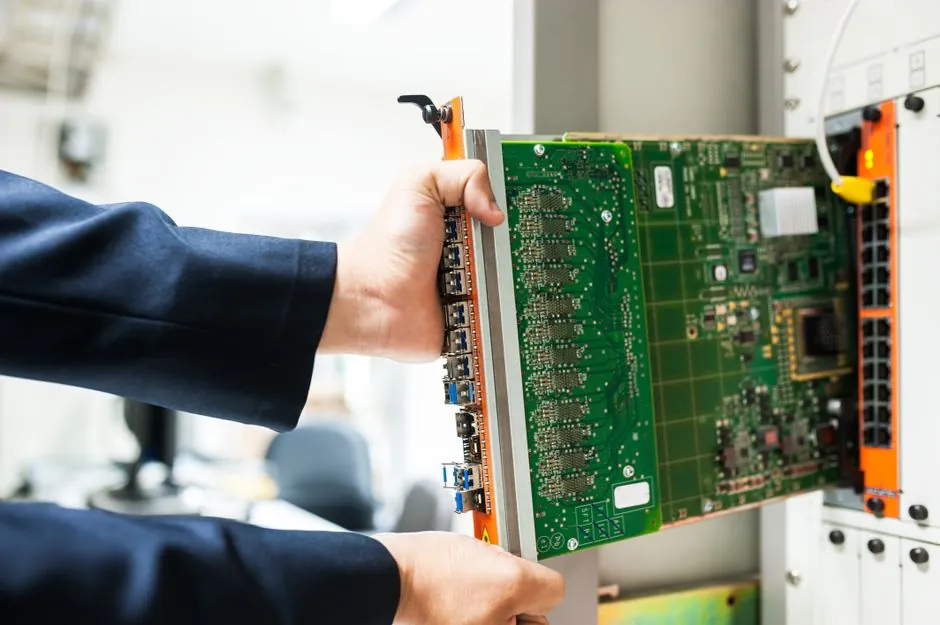
Engine orders are shifting from standby to primary power
Large natural-gas reciprocating engines are being selected as primary, behind-the-meter generation rather than confined to emergency standby.
That operating role changes the evaluation from simple backup compliance to continuous generation, load-following, fuel supply, maintenance strategy and utility-interconnection optionality. Data centers demand gigawatts of reliable, rapidly deployable capacity, and reciprocating engines are increasingly being positioned as primary infrastructure rather than merely backup generation.
For operators defining internal electrical loads and acceptance tests, a digital multimeter is part of the verification chain, but engine selection still depends on plant-level transient, thermal, acoustic and controls requirements. Wärtsilä said its Ohio project would operate off-grid, while the West Virginia campus preserves a possible future grid interconnection [S3].
2026 orders point to 2028 commercial operation
One documented schedule illustrates the constraint: Wärtsilä's 412 MW Ohio order, comprising 40 spark-ignited 34SG gas engines, is scheduled to align with commercial operation in early 2028 [S3].
Fast-track power plant deployment can reach first power in weeks, with reciprocating engine plants generally among the fastest generation technologies to deploy.
The delivery sequence matters more than the announcement date. A 2 GW equipment reservation does not equal 2 GW of operating capacity until engines, generators, exhaust systems, gas infrastructure, controls and commissioning are coordinated.
Order comparisons expose different generation choices
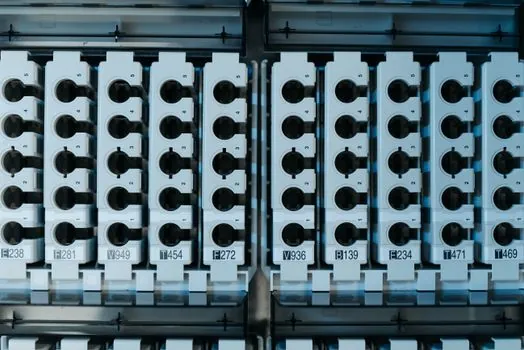
Three procurement routes dominate the disclosed data-center pipeline: reciprocating gas engines, aeroderivative gas turbines and grid-fed generation with a delayed interconnection. Reciprocating engines and aeroderivative turbines are moving from backup duty to primary power for hyperscale data centers as developers seek to work around multi-year grid interconnection queues.
The comparison separates equipment attributes from project outcomes. Fast start, ambient-temperature capability and unit sizing can support faster site deployment, but they do not remove gas-supply, controls, commissioning or permit constraints. Grid-connected projects avoid onsite generation equipment, yet documented interconnection waits range from 36 months in leading markets to 84 months in Columbus [S4].
Pipeline size exceeds visible company order totals
U.S. gas-generation proposals tied specifically to data centers reached 45 GW, nearly one-quarter of the tracked pipeline, while engine capacity in those proposals more than tripled over a six-month period [S6]. Approximately 46 data centers with 56 GW of combined planned capacity are building their own power generation.
These figures cover different project universes, so they should not be added together. The 45 GW figure applies to gas-power proposals tied to data centers, the 56 GW figure covers identified behind-the-meter projects, and the 25–35 GW projection covers deployment through 2030 [S4][S5][S6]. None is an installed operating fleet total.
Demand is also visible in the broader power system. That forecast explains why manufacturers expanded production, reserved multi-year capacity and moved large reciprocating engines into a primary-power role.
Natural gas requires fuel, controls and emissions planning
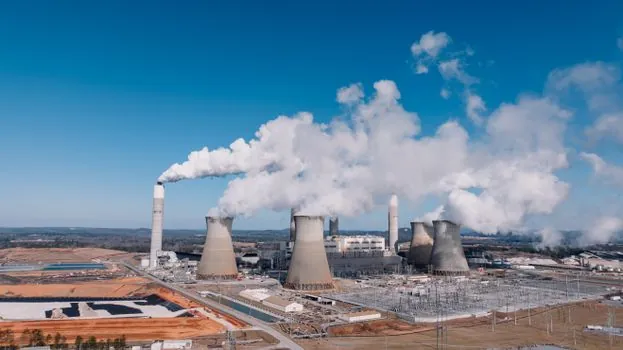
A natural-gas engine plant is not a stand-alone generator purchase. It requires firm fuel supply, pressure regulation, heat rejection, exhaust routing, vibration isolation, protection, control integration and a maintenance strategy sized around the data center's operating profile.
Power quality becomes a separate verification layer once the grid is no longer the sole source. Operators need to define harmonic distortion, voltage regulation, frequency response, ride-through behavior, load rejection and transfer criteria against actual IT load requirements. A power-quality analyzer can support commissioning measurements, while a power meter provides the operating data required to tune engine dispatch against demand.
Primary-generation arrangements also introduce commercial and regulatory dependencies not visible in the engine rating. Behind-the-meter operators may face utility opposition, transmission-pricing disputes or reserve-capacity requirements, especially where they seek to defer or avoid grid service [S5]. Emission permits, gas-supply contracts and local air-quality rules must be resolved before an order converts into dependable capacity.
Fast response supports AI loads, but acceptance remains plant-specific
Caterpillar's approximately 7-second zero-to-full-load ramp is the strongest disclosed response figure for the major 2026 engine projects [S1]. INNIO's 2.3 GW VoltaGrid package was also designed for transient response to volatile AI loads, with performance specified at ambient temperatures up to 50°C [S1].
Start time does not establish data-center readiness. Operators must test black-start behavior, parallel operation, load-bank performance, protection-coordination transitions, generator synchronization and communication with upstream controls. A data logger can preserve event sequences and acceptance-test evidence, including engine speed, frequency, voltage, temperature and protection status.
Reciprocating engines suit this application because they combine rapid start with flexible loading and modular block sizes. Aeroderivative turbines can also serve large data-center campuses, as shown by 13 PE6000 units totaling 650 MW, but the two machine types should be compared on start time, transient behavior, maintenance interval, exhaust configuration and installed cost rather than nameplate output alone [S1][S3].
Contract execution and plant readiness are the next trackable signals
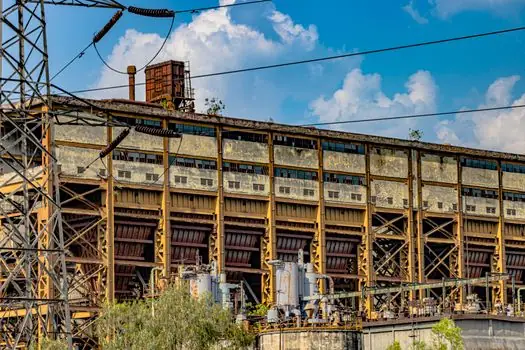
The first trackable signal is conversion of reservations into firm equipment deliveries, followed by shipment, test-fit completion, mechanical completion and commercial operation. Wärtsilä scheduled equipment deliveries for its 412 MW Ohio data-center project to align with a commercial operation date in early 2028.
The second signal is whether the capacity supports actual AI load rather than reserved campus nameplate demand.
Grid and fuel milestones remain decisive: interconnection status can determine whether engines serve as an interim bridge or permanent primary supply, and gas infrastructure must match firm operating hours. For context, hyperscale and colocation growth in 2026 shows why behind-the-meter procurement is moving from a backup measure into the data-center infrastructure decision set.