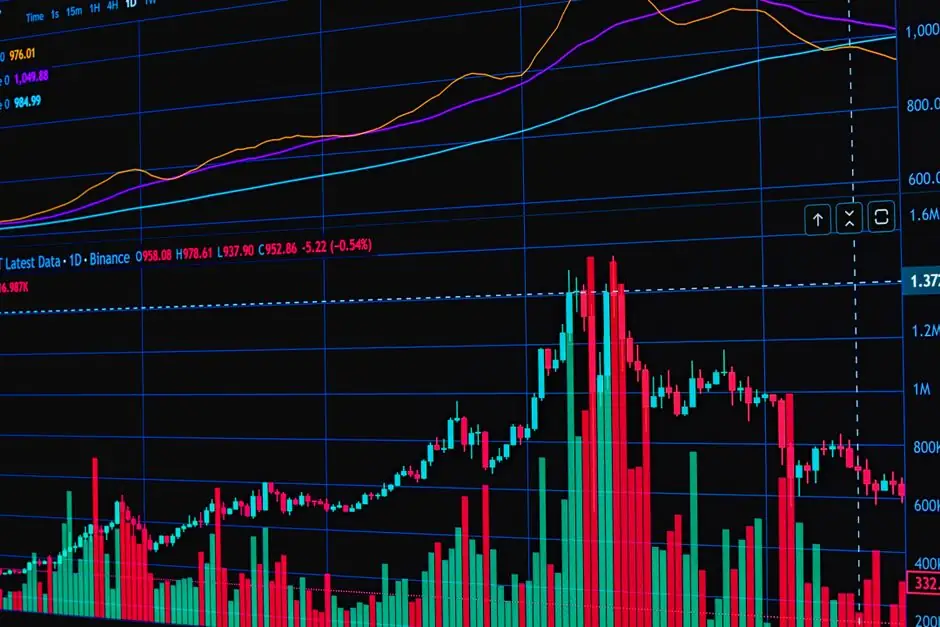
For 2026 purchasing, copper magnet wire remains the higher metal-cost option, with weekly copper at RMB109,958 per tonne versus RMB23,634 per tonne for aluminum in the October 19–23, 2026 dataset [S1].
The decision is not a simple metal-price swap: compare delivered conductor cost, required cross-sectional area, winding density, thermal class, joining method, and qualification risk for the specific coil.
Price spread and purchasing basis
The October 19–23, 2026 copper series ranged from RMB108,845 to RMB110,715 per tonne, while aluminum ranged from RMB23,530 to RMB23,710 per tonne [S1]. The weekly averages were RMB109,958 for copper and RMB23,634 for aluminum, making copper about 4.65 times the aluminum metal price by mass [S1]. These figures are market-price inputs, not finished magnet-wire quotes.
For a purchase comparison, calculate cost per usable conductor length or kilogram of wound coil, not cost per tonne of bare metal. Magnet-wire pricing also includes conductor diameter or rectangular section, enamel grade, thermal class, packaging, winding stock shape, certification, freight, and volume. Copper represented 72.13% of the magnet-wire market by material in 2025 [S2].
The quoted copper basis matters because the listed prices are in RMB per tonne and the same series reports an RMB:USD exchange rate of 6.6618 on October 23, 2026 [S1]. A buyer should lock the quotation currency, conversion date, alloy grade, coating specification, and delivery basis. Metal-index formulas without these terms can create false savings.
Cost comparison by required performance
Copper wins when a design is space-constrained or requires a proven winding without conductor enlargement. Copper’s higher conductivity permits more current per unit cross-section, which reduces winding length, resistance, and required slot area. Aluminum can reduce purchase cost, but it normally needs a larger cross-section to carry the same current, so the material-price advantage does not translate one-for-one into installed cost [S3][S5].
For a like-for-like comparison, copper and aluminum must be evaluated on four criteria: metal cost per kilogram, conductor mass for a specified resistance, coil volume, and manufacturing impact. Copper typically gives lower resistance and smaller winding geometry, but higher metal exposure. Aluminum lowers metal cost and mass, but needs upsizing and larger termination hardware. A broader view of copper material and aluminum alloy is still necessary because alloy, temper, and surface condition affect the final winding calculation.
Magnet-wire buyers should obtain local quotes for the same insulation system, conductor size, thermal class, and delivery volume. Round wire was 64.87% of magnet-wire revenue in 2025, so it remains the correct baseline for many projects [S2].
Design trade-offs and coil implications

Aluminum changes more than conductor cost. Its lower conductivity requires a larger cross-sectional area for equivalent current and voltage drop, while its lower density can reduce winding mass. The resulting coil may occupy more slot volume despite the lower mass per unit length. Hairpin-style rectangular wire can raise slot-fill density by replacing round conductors [S2].
Thermal performance must be checked against the insulation system rather than inferred from conductor material. IEC 60317-compliant thermal classes cited for transformer upgrades cover winding temperatures from 180–240°C [S2]. Copper and aluminum winding details can also change the acceptable thermal-class combination, so retaining a copper winding thermal margin is not automatically transferable to aluminum.
Aluminum is most attractive where lower mass, material exposure, or larger available slot area outweigh rework. Copper is the safer choice where winding space is constrained, conductor area is fixed, connections are sensitive, or the product has an established copper winding process. The material distinction does not replace the need to verify alloy steel core losses, carbon steel lamination behavior, insulation thickness, and the complete motor or transformer thermal design.
Application fit and qualification requirements
Copper magnet wire fits compact motors, traction machines, transformers, inductors, and retrofit coils where conductor area, connection reliability, and validated process matter [S4][S5]. Aluminum magnet wire is credible for cost-sensitive designs with revised winding geometry, suitable terminations, and adequate cooling, but it is a poor drop-in substitute for an existing copper specification.
Copper led the magnet-wire market by material with a 72.13% share in 2025, while the overall market was expected to grow at a 5.05% CAGR over 2026–2031 [S2]. These figures explain why copper remains easier to source for many industrial winding systems, but they do not remove the need for an application-specific qualification.
Do not select aluminum for a coil simply because its metal price is lower. Require a documented comparison of DC resistance, current density, temperature rise, winding mass, slot-fill factor, termination design, winding tension, and pull test. For copper or aluminum leads and terminations, verify the conductor material and compatible joining process rather than mixing them without engineering approval.
Failure modes and sourcing controls
Three failure modes drive the cost comparison: undersized aluminum conductors causing excess resistance and temperature rise, inadequate slot fill causing winding or insulation damage, and incompatible terminations creating joint resistance or mechanical-relaxation problems. Copper can still fail from poor winding tension, damaged enamel, or blocked cooling, so switching material does not remove manufacturing controls. [S2]
The wider magnet-wire market is projected at USD38.51 billion in 2026 and USD49.27 billion by 2031, a 5.05% compound annual growth rate over 2026–2031 [S2]. Copper-price volatility within a 20–25% band challenges producers without hedging programs [S2]. For buyers, that supports indexed clauses or shorter quotation validity rather than relying on a single commodity-price date.
Control the purchase with four documented inputs: the metal-price benchmark and date, copper or aluminum grade, conductor cross-section in square millimetres, and the required IEC 60317 thermal class and coating system. A supplier quote should also state net weight, reel length or kilogram mass, tolerance, origin, packaging, and lead time. These fields make copper and aluminum offers comparable and prevent a lower metal price from being masked by undersizing or non-equivalent coating.
Recommended decision method
Use copper as the default for an existing qualified design or when winding area, current density, and termination geometry are fixed. Use aluminum only after the complete coil design demonstrates adequate thermal performance, conductor size, slot fill, connection integrity, and service-life expectations. [S2]
For an executable quotation comparison, calculate conductor mass for the required resistance and then add coating, process losses, hardware, labor, freight, and scrap assumptions. The October 2026 metal-price ratio was 4.65:1 by mass [S1], while aluminum can weigh materially less and may require a larger cross-section [S3][S5]. That combination creates the central purchasing tradeoff: aluminum offers a lower metal bill, while copper can remain cheaper after all winding-space and manufacturing effects are counted.
Track the quoted metal benchmark, supplier lead time, and approved conductor cross-section when renewing the comparison. If copper and aluminum quotes remain separated by less than process and installation savings, retain the qualified copper design rather than creating a new qualification burden.