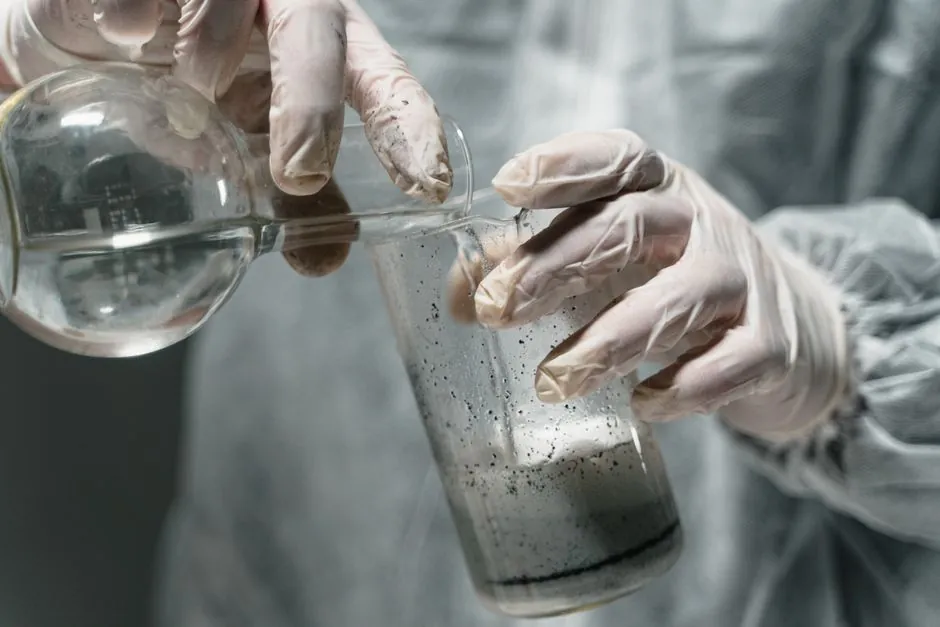
Activated carbon under CAS 64365-11-3 is a black, practically insoluble powder with a dielectric constant of 12.0 at ambient and a working surface area around 1000 m²/g, properties that make it a default adsorbent in water, vapor, and battery lines [S1]. Powder-grade offers on Made-in-China show a tight listed band of US$800-950 per ton at 1 ton minimum order, with EINECS 231-153-3 and SGS certification flagged by sellers [S5].
US specialty depots stock a much wider grade range, including 6x12, 8x16, 8x30, and 12x40 mesh coconut GAC, 3 mm and 4 mm coal-base pellets, 4x8 vapor-phase coconut at 60 CTC and 70 CTC, plus 12x40 catalytic carbon, and bulk super sacks at 1100 lbs [S2]. Reactivated grades (L200R liquid phase, V200R vapor phase, 4x10 mix vapor) are listed alongside virgin material, indicating the secondary market is now a formal procurement lane rather than a niche [S2][S3].
Grade taxonomy and what each mesh actually does
Powdered activated carbon (PAC) is defined by its fine particle size, with the smallest external surface per gram but the fastest kinetics, so it is dosed into slurry contactors for taste-and-odor or PFAS polishing [S4]. Granular activated carbon (GAC) has a larger particle size and consequently a smaller external surface than PAC, so adsorbate diffusion controls the working capacity, which is why GAC dominates fixed-bed contactors for municipal and process water [S4].
Mesh numbering follows US sieve conventions: 8x30 is typical for liquid-phase coconut or coal-base beds, 12x40 is finer and is offered prewashed for trace-metal sensitive service, and 4x8 vapor-phase coconut at 60-70 CTC targets hydrocarbon vapor recovery [S2]. Coal-base pellets (3 mm and 4 mm) carry a separate 0.2 H2S trim grade for biogas and landfill gas cleanup, where hydrogen sulfide breakthrough is the design constraint [S2].
Virgin vs reactivated: a criteria-based comparison
Virgin coconut or coal-base carbon carries the headline surface area (~1000 m²/g) and a defined CTC (carbon tetrachloride activity) rating, while reactivated carbon is spent GAC that has been thermally re-oxidized to restore pore volume [S1][S2]. On four decision criteria, the trade looks like this for a typical 12x40 liquid-phase duty:
Cost per ton: virgin 12x40 coconut super sack is the listed premium SKU, while L200R reactivated is positioned as a lower-cost alternative; both ship at 1100 lbs super-sack format at the same depot [S2]. Lead time: reactivated depends on regional kiln capacity and inbound spent-carbon logistics, so it is more variable than virgin container-load supply from major Asian origins. Compliance: virgin material arrives with a fresh certificate of analysis, whereas reactivated grades require documented regeneration cycles and any original NSF/ANSI 61 or EN 12915 approvals carried forward.
Industrial applications driving 2026 demand
Activated carbon's combination of high surface area and pore volume makes it useful in energy storage devices, catalysis, and removal of impurities from gases and liquids, with Bis(2-ethylhexyl)phosphate-modified grades specifically suited to metal-ion removal from water [S1]. Specialized SKUs now listed by US depots include grades for 3D printers (VaporX blend), acoustics, distilleries, gold and metal recovery, hunting clothes, kitchen hoods, PFOS removal, ponds, soap making, soil detox, and well drinking water, which broadens the buying base beyond traditional process industries [S2].
Specialty media lines have grown alongside carbon: activated alumina HS-F and HS-AS for fluoride/arsenic, OrganoClay HS-100/200/250/275/300 for oil and PFAS, and zeolite HS-600 and HS-100-PO for ammonia and ion exchange, all co-listed on the same procurement platform [S2]. For buyers facing tight virgin-carbon supply, the practical lever is matching the contaminant profile to a blended media train, not just swapping carbon for carbon.
Procurement signals: pricing, freight, and qualifying suppliers
Current Asia-origin listed pricing sits in a US$800-950 per ton band for powder-grade material, with SGS documentation and a 1 ton minimum order on the Made-in-China listings reviewed on 2026-05-31 [S5]. US specialty depots publish a 949 area-code sales line, free shipping on all carbon SKUs, and a buy-one-get-one-50%-off promo on selected 1 lb bags as of 2026-08-10, which is a useful proxy for downstream demand softness at the small-pack tier [S2][S3].
For a sanity check on the 2026 market backdrop, the long-standing Valuates projection of a US$3718.2 million activated carbon market by 2026 is the most cited sizing number, even though it was published 2020-08-05 and pre-dates recent coconut feedstock volatility [S6]. When you set that figure against today's listed powder-grade offers, the order-of-magnitude reconciliation works only if average selling prices have moved up, which is consistent with the tightening-supply narrative rather than a glut [S5][S6].
Hazards, transport, and on-site handling
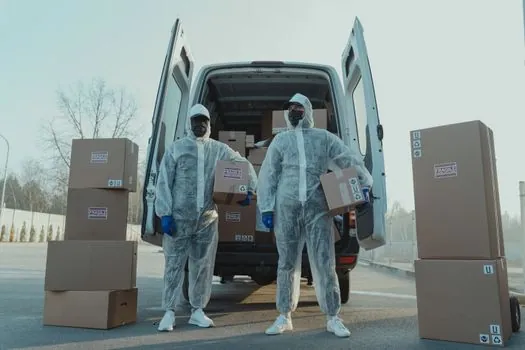
Activated carbon is classed under UN 1362 CARBON, ACTIVATED with HazardClass 4.2 (spontaneously combustible) and PackingGroup III, with WGK Germany 3 and NFPA 704 ratings of 2-1-0 (health-flammability-reactivity) [S1]. Risk phrases R36/37/38 cover eye, respiratory, and skin irritation from dry handling, while safety phrases S22-24/25 call for dust avoidance and skin protection during bag cutting and hopper loading [S1].
Storage Class 13 designates it as a non-combustible solid in the German system, but the 4.2 transport classification reflects the well-known self-heating hazard of fresh, oxygen-loaded carbon, which is why freshly regenerated material is often specified to be wetted or purged with nitrogen before super-sack sealing [S1][S2]. Buyers specifying bag or super-sack deliveries should require the supplier to document the time since regeneration and the cooling procedure, especially for 1100 lb super sacks where the bulk mass traps heat [S2].
Adjacent supply-chain pressure points
Activated carbon is not the only adsorbent or process material under supply pressure in 2026: polyamide RO membrane sourcing has tightened, with suppliers and spec maps tracked on the SourceBySpec feed [S5]. Industrial gas, fluid handling, and PPE lines are seeing parallel price pressure, from turbine flow meter pricing tiers to Coriolis flow meter cost bands, which is why procurement teams are running parallel qualification projects on instruments and consumables.
For buyers in metal-finishing or electroplating who route wastewater through carbon beds before RO polishing, the combined carbon-plus-membrane risk is now a single-node problem: if either stage underperforms, the other is overloaded. Air-side PPE for bag cutting and hopper loading should also be part of the carbon-procurement conversation, since the dust exposure during change-outs is where the R36/37/38 risk phrases actually bite [S1].
Trackable signals to watch through the rest of 2026
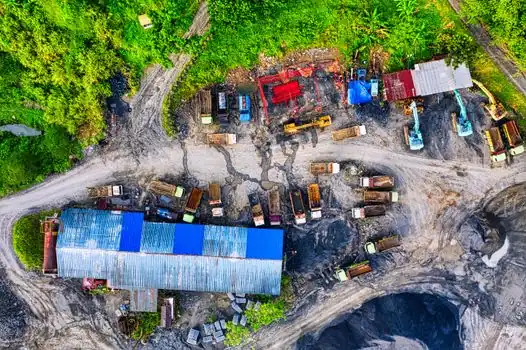
Watch three nodes: (1) the spread between Asian-origin powder offers and US depot reactivated L200R/V200R pricing, which will indicate whether the secondary market is absorbing virgin supply tightness [S2][S5]; (2) the 949-229-2587 sales-line activity and small-bag promo cadence at US specialty depots, which signal small-customer demand softness versus bulk-industrial tightness [S2][S3]; (3) any change in coconut-shell precursor availability out of South and Southeast Asia, since 8x30, 12x40, and 4x8 vapor-phase grades are disproportionately exposed to that single feedstock [S2].
The underlying component specifications are covered under lighting equipment and electric lamps, carbon fiber, and carbon steel.