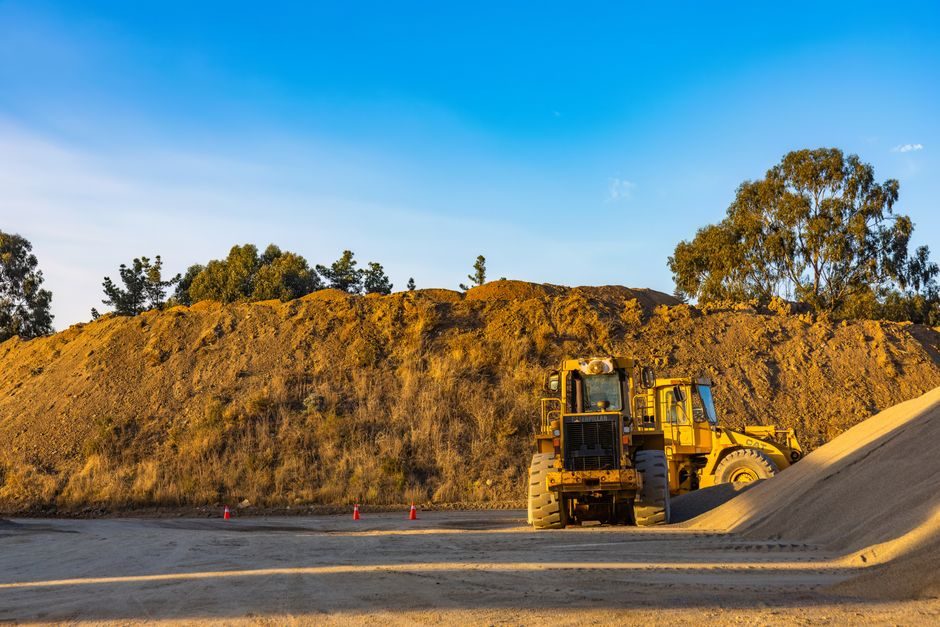
Agricultural bulldozer selection should be driven by task mass and ground condition, not by the largest machine a dealer has on the lot. Drainage trenching, ditching, field leveling, fire-break construction and brush clearing are the five tasks that actually move iron on a working farm, and each one maps cleanly to a different power/weight class [S1][S2].
Crawler dozers dominate ag use because soft, wet, or freshly worked soil destroys wheeled machine flotation; in a head-to-head count of the new and used model population, crawler configurations outnumber wheel bulldozers by roughly 105:1 [S2]. Rental during peak seasonal windows (drainage install, post-harvest land shaping) is the common cost-control pattern for farms below the medium-class threshold, with the dealer absorbing storage and maintenance [S1].
Matching Size Class to the Farm Task
Small 80-92 hp units in the ~17,500-18,000 lb operating-weight band cover most small-farm drainage, light land clearing, and pad work at a 2026 retail band of $64,000-$125,000 new, or 30-70% less on the recent-used market [S2]. Where a single farm runs only 200-400 hours of dozer work per year, that operating envelope is the breakeven point at which rental beats outright purchase; the machine earns its keep, then returns to the dealer [S1].
Medium 130-205 hp machines weighing 29,300-46,160 lb are the working-farm default for row-crop operations, larger livestock operations, and any acreage where the dozer substitutes for a scraper panel on field leveling [S2]. A 130 hp dozer at the low end of this class pulls a multi-shank ripper through compacted headlands and pushes 2-3 yd^3 of soil per pass; a 205 hp unit steps up to heavier ripping in clay or shale fill, where single-shank rippers are needed [S2][S4].
Large 600-850 hp / 155,000-230,000 lb machines are overspec for almost all farms. They appear in agriculture only on industrial-scale operations - large drainage districts, land-reclamation contractors working farm acreage, or pine-plantation site prep - and carry a 2026 price band of $400,000-$1,300,000 new [S2].
Crawler vs Wheeled, and the Rippers Behind the Blade
Crawler dozers are the correct ag default: low ground pressure (~5-7 psi class for small/medium machines) keeps them on top of soft soil, and the steel track shoes do not shred seedbeds the way a pneumatic tire can. Wheel bulldozers (rough-terrain-tire format) earn their place on hard-surfaced farm lots, feedlot lanes, and snow removal, where speed and the ability to drive on pavement without track-pad damage matters more than flotation [S2][S3].
The ripper is the half of the bulldozer that agriculture actually buys. Single-shank rippers concentrate force for breaking hardpan, clay pans, or caliche layers ahead of deep tillage; multi-shank rippers fracture a wider swath in one pass and are the standard fit for field renovation and orchard removal [S4]. Final-drive service life is the leading maintenance cost on a farm dozer, because abrasive soil dust accelerates pinion and sprocket wear; planning for that replacement cycle at the time of purchase changes which size class a buyer should finance [S4].
Attachment Choices for Ag Work: Blades and Mulchers
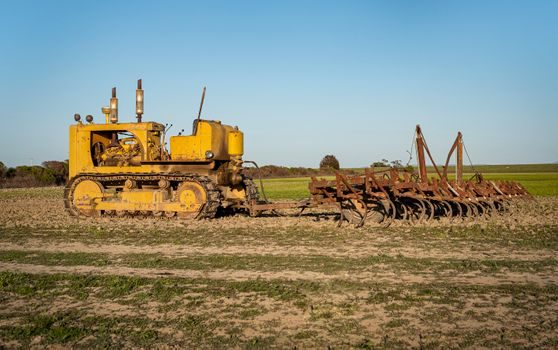
Straight (S) blades push the most material per pass and are the ag workhorse for land clearing and pile work; universal (U) blades carry more volume per pass via larger wings and are favored for heavier stripping and ditching; semi-universal (SU) splits the difference and is the most common ag fitment because it handles both finish grading and heavier cuts [S3]. Angle blades tilt the cut to one side and are the right pick for snow removal, fire-break construction, and roadside ditch cleaning, which are recurring farm tasks in cold or fire-prone regions [S2][S3].
Mulcher-equipped dozers are the dedicated land-clearing and vegetation-management class. A mulching attachment grinds brush, stumps and small trees in a single pass and is specified for orchard removal, abandoned-field reclamation, and right-of-way clearing on farm boundaries - including post-fire or post-storm restoration [S3]. A farm that clears more than 20-40 acres of brush per year should treat the mulcher head as a primary attachment, not an option, and budget the hydraulic-flow and cooling upgrades that come with it [S3].
New vs Used, and the Acquisition Decision
A late-model used dozer typically runs 30-70% under the comparable new list price, and the discount widens for the small class where fleet churn is high [S2]. For farms with seasonal or bursty work patterns, used acquisition plus a scheduled dealer maintenance contract is the lowest-risk path; for multi-shift contractors running more than 1,200 hours per year on a single machine, new with warranty is the correct call because downtime on a used machine outpaces the depreciation savings.
Leading manufacturers in the ag-dozer space are John Deere, Caterpillar, Komatsu, Liebherr and Bobcat, and parts/service coverage (not sticker price) is the most reliable predictor of uptime on a working farm [S2]. A dealer within a 2-hour radius that stocks final drives, track groups, and ripper shanks is worth more than a 5% price discount from a distant seller. The wider bulldozer selection map covers the non-ag use cases (mining, demolition, waste handling) so the same engine and chassis can be cross-referenced against ag requirements.
Where the Spec Falls Short, and What to Watch Next
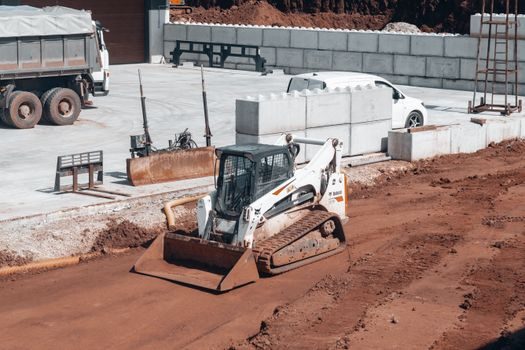
Three limitations dominate the ag-dozer spec sheet. First, manufacturer published operating weight and horsepower do not capture drawbar pull in soft soil - the figure that actually determines whether a 130 hp unit will rip a hardpan or spin its tracks. Buyers should request a site demo with a multi-shank ripper on their own ground before signing. Second, the cost table [S2] is a snapshot of 2026 retail bands and does not reflect options, freight, or dealer prep; final purchase quotes vary by region. Third, the small/medium boundary at ~130 hp is a heuristic, not a hard rule; a 110 hp machine with a tight cab and well-matched hydraulics can out-work a 140 hp machine with a poorly matched blade.
For a working farm the right next step is a written one-page spec: dominant task (drainage, clearing, leveling, fire break), expected annual hours, soil class, and a yes/no on rental. That page determines whether the answer is a small rented 80 hp crawler, a purchased medium 130-205 hp dozer with a multi-shank ripper, or - in the unusual industrial-farm case - a large 600 hp class machine that doubles as a land-reclamation asset [S1][S2]. A side-by-side comparison of ag-driven dozer selection versus the heavier demolition spec map shows where tasks overlap (land clearing, debris push) and where they diverge (dust suppression, steel-handling attachments) - useful when a farm operation also runs a small contracting arm.
Spec-level background on the components involved: pressure transmitter, and flow meter.