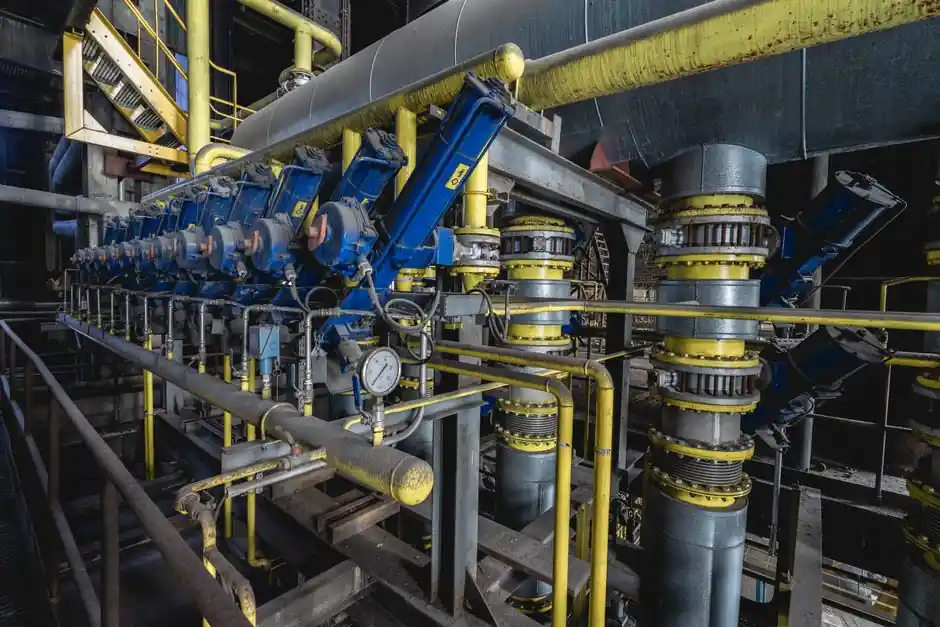
Specify a zinc hot-chamber machine with a typical injection-pressure range of 1,000–5,000 psi [S7].
The pressure rating is a machine-limit issue, not a metal-only constant: alloy, casting size, gate design, plunger diameter, hydraulic pressure, and intensification ratio determine the pressure delivered to the die cavity.
Pressure ranges and the distinction between system and cavity pressure
For zinc, a typical hot-chamber injection pressure is 1,000–5,000 psi [S7]. Zinc alloys flow easily and solidify quickly, and die casting is performed at a relatively low temperature [S1].
The useful comparison is therefore not simply “aluminum MPa versus zinc MPa.” It is the maximum pressure the machine can generate against the pressure required by the selected alloy and geometry. A machine rated for 300 MPa can operate below that limit, but the supplier still needs to confirm whether its rating refers to hydraulic pressure, intensification pressure, or pressure at the nozzle.
How machine construction changes the pressure requirement
Zinc normally uses a hot chamber, where the plunger displaces molten metal directly through the nozzle and shot sleeve. Typical injection pressures for a hot-chamber machine are 1,000–5,000 psi [S7]. A hot-chamber die casting machine typically operates at an injection pressure of 1,000–5,000 psi [S7].
Aluminum normally uses a cold chamber because molten aluminum can attack iron components used in hot-chamber systems. The cold-chamber machine separates the melting and injection systems, allowing a ladled charge to be injected at higher speed and pressure [S3].
Do not convert a quoted machine pressure directly into an allowable die pressure. Hydraulic pressure multiplied by the intensification ratio gives the injection-system pressure, but gate restrictions, sprue length, melt temperature, shot velocity, back pressure, and cavity volume determine the actual cavity pressure. These system variables must be reviewed together rather than collapsed into one number.
Decision matrix by alloy, part, and machine class
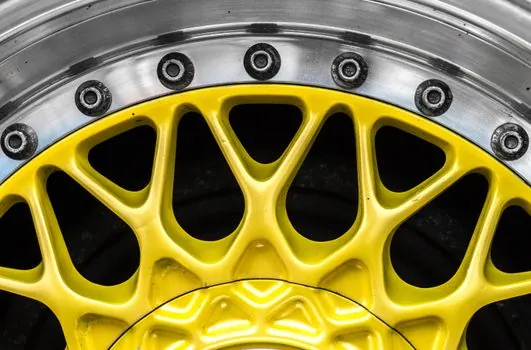
For detailed zinc components such as connectors, latches, handles, housing covers, or gears, a hot-chamber machine with a typical injection-pressure range of 1,000–5,000 psi may be considered [S4][S7]. Zinc alloys reviewed for these applications include Zamak 2, Zamak 3, Zamak 5, Zamak 7, ZA-8, EZAC, and AcuZinc5 [S4].
For a larger aluminum housing, frame, heat sink, or lightweight structural part, start with a cold-chamber HPDC machine. Candidate alloys include A380, ADC12, 360, A356, and B390, selected for mechanical, casting, machining, and finish requirements [S4].
On part mass, zinc castings are generally heavier than aluminum castings of the same volume, while aluminum is the preferred route where low weight and thermal conductivity matter [S4]. On surface definition, zinc alloys are often reviewed for small detailed parts and consistent cosmetic surfaces, while aluminum better fits larger enclosures and heat-dissipating components [S4].
Application fit and practical exclusions
Use zinc for small parts with complex geometries, thin walls, tight tolerances, and fine detail where the process is performed at a relatively low temperature, with zinc alloys that flow easily and solidify quickly [S1]. Zinc options include Zamak 3, noted for dimensional stability and dependable high-volume performance [S1].
Use aluminum for lightweight structures, larger housings, and thermal requirements [S4]. A low-pressure die casting machine is a different process from HPDC and should not be selected solely from a 50–300 MPa HPDC pressure figure.
Zinc is not the automatic choice for every small part, and aluminum is not automatically cheaper or better. A hot-chamber zinc machine can be the wrong equipment for a large, pressure-demanding cavity, while an oversized cold-chamber aluminum machine can add cost and cycle time without improving a simple casting. The die casting machine must be matched to shot weight, cavity volume, platen area, die dimensions, and required pressure rather than to material name alone.
Procurement checks that prevent an undersized specification
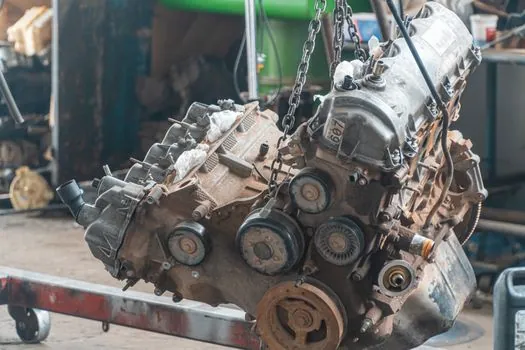
Ask the machine supplier for three separate figures: hydraulic system pressure, maximum intensified injection pressure, and the usable pressure at the nozzle or shot sleeve. Then require the die caster to demonstrate that the selected machine can fill the proposed geometry at its actual alloy temperature without cold shuts or excessive flash [S3].
Confirm the machine class as well as the headline pressure. An aluminum die casting machine should be evaluated as a cold-chamber system, while a zinc die casting machine should be evaluated as a hot-chamber system. For aluminum, published pressure guidance spans 40–160 MPa and 50–300 MPa, with certain cold-chamber machines reaching about 441 MPa [S2][S3]. For zinc hot chambers, the cited injection range is 6.9–34.5 MPa [S7].
Also verify nozzle size, shot-sleeve diameter, shot capacity, maximum injection speed, and tie-bar spacing. Injection pressure cannot compensate for insufficient shot volume, an undersized sleeve, inadequate clamping force, or a gate system that cannot be balanced. Zinc’s lower pressure demand does not eliminate die-wear, porosity, moisture, or thermal-management controls, and aluminum’s higher capacity does not remove the need for venting and proper gate design [S1][S3].
Standards, terminology, and specification limits
Pressure alone does not qualify the casting. The process definition remains molten metal forced into a hardened tool-steel die cavity under high pressure, with zinc and aluminum using different machine architectures [S5]. Applicable purchasing data should identify the alloy designation, die-casting process, machine class, pressure basis, and operating conditions rather than using the undefined phrase “high-pressure machine.”
The research material does not establish one universal ASTM or ISO pressure-rating rule for aluminum versus zinc die casting. It provides process ranges, not a code-based substitute for machine selection: 40–160 MPa for aluminum in one overview, 50–300 MPa in a broader HPDC description, up to about 441 MPa for a capable aluminum cold-chamber machine, and 1,000–5,000 psi for zinc hot chambers [S2][S3][S7].
Final acceptance criteria should include fill verification, repeatability, part weight, flash control, porosity limits, and dimensional inspection at the specified production volume. For aluminum components with structural or thermal duties, Aluminum Die Casting Machine Selection for an EV Battery Enclosure provides a relevant example of applying machine constraints to a defined part.
The trackable purchasing signal is a supplier quotation that states both the pressure basis and operating class: approximately 6.9–34.5 MPa for a zinc hot chamber or 50–300 MPa for typical aluminum HPDC, with pressure capability checked against shot size, gate area, and die fill [S3][S7].