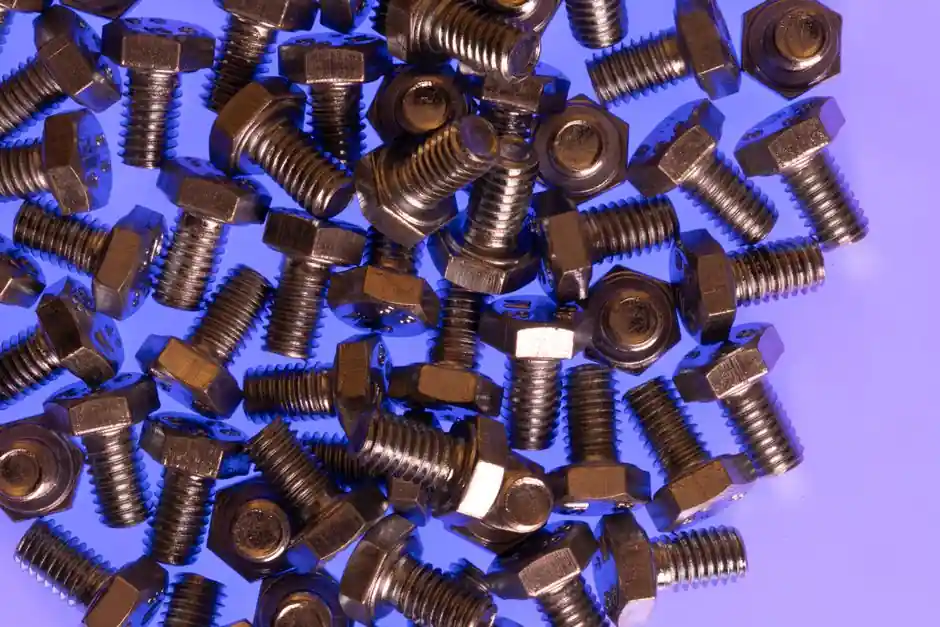
An aluminum die casting machine spans 100 to 4,500 tons of locking force, while a zinc hot-chamber machine sits between 12 and 850 tons, and that gap is the single largest driver of the price difference buyers see on a quote [S4][S8].
For a like-for-like hot-chamber zinc press in the 12-30 ton range, published price bands run from $15,000 to $250,000 depending on platen size, shot weight, and automation package [S4]. Small-shop zinc fittings work commonly centers on a $100,000 hot-chamber machine, while an automotive plant casting aluminum structural parts works in a different tonnage and capital class [S7].
Where the price difference actually comes from
Three cost drivers separate an aluminum die casting machine from a zinc die casting machine: locking-force tonnage, cold-chamber versus hot-chamber architecture, and per-piece tool steel in the die. A cold-chamber aluminum press needs a ladling robot or operator to transfer molten metal from furnace to shot sleeve, which adds peripheral equipment cost that a hot-chamber zinc press does not need [S3].
Aluminum die casting also carries a higher startup tooling cost because the die is held at roughly 1,200°F and reacts chemically with the tool steel (soldering), which forces more frequent die maintenance; zinc is held at about 800°F with no soldering reaction, so a zinc die commonly lasts 3-4 times longer than an aluminum die for similar geometry [S3]. That die-life delta is paid back into per-part cost, not machine price, but it dominates the total cost of ownership comparison buyers should run.
Machine classes, tonnage, and what each is for
Zinc (Zamak) hot-chamber die casting machines are commonly offered in 12, 18, 20, 25, and 30 ton vertical and horizontal configurations for small intricate parts such as connectors, latches, handles, and decorative hardware; horizontal cold-chamber zinc machines extend up to 1,300 tons for larger Zamak housings [S4]. Aluminum die casting machines, always cold-chamber, are specified from under 100 tons for small electronics up to 4,500 tons for automotive structural castings [S8].
A useful rule for buyers: if the annual volume, part size, or wall thickness pushes you above roughly 200 tons of locking force, the decision between a zinc hot-chamber and an aluminum cold-chamber becomes a process decision, not just a price decision, because the two routes cannot share tooling or process flow [S3][S5]. Reference buyers moving between part sizes should review the wider die casting machine class definitions before locking the RFQ.
Per-part cost: why zinc piece price can be 3-4x higher
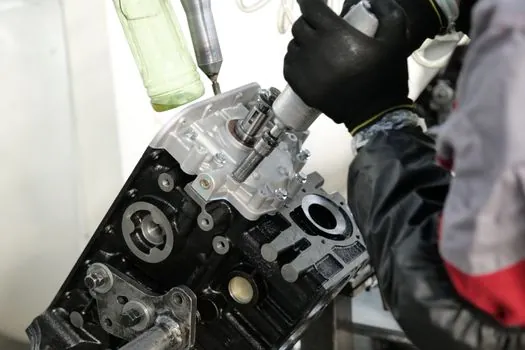
For a part of identical geometry, the piece price in zinc can run 3-4 times higher than the same part in aluminum, because zinc has roughly 2.5 times higher density than aluminum and the raw material cost gap has reversed since the 2000s, when large-scale galvanizing demand from construction markets pulled zinc pricing upward [S3]. PHB Corp. ranks Zamak 3 as the lowest-cost zinc die casting alloy on a per-pound basis, but the per-part calculation still loses to aluminum on weight-driven applications [S1].
Where the calculus flips is small, intricate, plated parts: zinc's high fluidity at 800°F lets it fill thin walls and fine detail that aluminum struggles with, and zinc castings accept plating over a wider defect tolerance, which trims finishing scrap and rework cost [S1][S3]. The Federal Group USA frames this as the central trade-off: aluminum has a higher startup tooling cost, but lower per-unit cost at mass production; zinc has a lower startup cost but a higher per-unit cost as the part gets heavier [S2].
Application fit: who should buy which machine
Aluminum is the right fit for lightweight housings, gear cases, EV battery enclosures, heat sinks, electronics chassis, lawnmower housings, hand and power tools, and structural automotive components where thermal conductivity, weight, and corrosion resistance matter [S1][S2][S5]. Neway Precision's RFQ guidance lists A380, ADC12, 360, A356, and B390 as the alloys most commonly reviewed for these applications [S5].
Zinc is the right fit for small intricate castings, decorative hardware, automotive interior aesthetic parts, fuel-system and air-conditioning components, complex net-shaped housings, electric conduit fittings, zippers, and chrome-plated household faucets [S1][S3]. The alloy menu is Zamak 2, Zamak 3, Zamak 5, Zamak 7, ZA-8, EZAC, and AcuZinc5, picked by strength, ductility, creep, and plating behavior rather than weight [S5]. Buyers specifying detailed zinc hardware should also review the aluminum die casting machine class page to confirm they have not crossed a wall-thickness or shot-weight threshold that would force a cold-chamber build.
Comparison table: aluminum vs zinc on the four buying criteria
On the four criteria that drive a die casting machine purchase: locking-force tonnage (aluminum 100-4,500 ton, zinc 12-1,300 ton), machine capital cost (zinc $15,000-$250,000 for the 12-850 ton band, aluminum higher tonnage at higher per-press cost), tool life (zinc 3-4x longer than aluminum on similar geometry), and per-part cost at volume (aluminum lower per unit at scale, zinc higher per unit as geometry gets heavier), aluminum and zinc line up on opposite corners [S3][S4][S5][S8]. The Federal Group USA puts the headline distinction bluntly: aluminum has higher startup cost but lower long-run per-unit cost; zinc has lower startup cost but higher per-unit cost at weight [S2].
A second-order criterion is process compatibility: zinc can run hot-chamber, which means the injection plunger sits inside the molten metal bath and the cycle time drops; aluminum must run cold-chamber because molten aluminum dissolves cast iron, so the metal has to be ladled into the shot sleeve each cycle [S3]. That single engineering fact is why a zinc die casting machine is smaller, cheaper, and faster on small parts, and why the zinc die casting machine class is its own product line rather than a scaled-down aluminum press.
Total cost of ownership: what the headline price hides
The published $15,000-$250,000 zinc machine band and the four-figure-ton aluminum press class both leave out the bigger ticket: die steel, downstream finishing, and energy. Zinc's 800°F melt point and lack of soldering reaction deliver 3-4x die life versus aluminum, which can swing total tooling cost by tens of thousands of dollars over a program life even when the press capital looks comparable [S3].
Energy cost favors zinc because the furnace runs cooler and the hot-chamber process eliminates the ladling step; aluminum needs higher melt temperatures and, on cold-chamber cells, a robot or operator to transfer metal each cycle [S3]. Finishing and inspection cost also diverge: zinc castings are less sensitive to small surface defects and accept plating over a wider defect window, so scrap and rework run lower for decorative zinc parts; aluminum castings can be coated but require higher as-cast surface quality to hold the finish [S3][S1]. For buyers running dimensional stability work, the aluminum die casting die temperature control reference page lays out the temperature windows that drive those scrap rates.
Limitations, constraints, and failure modes to spec against
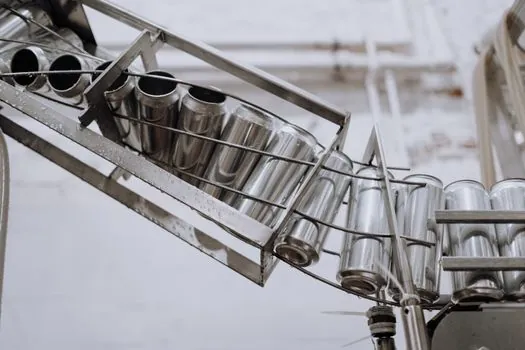
Aluminum die castings carry known manufacturing risks: porosity, cold shut, shrinkage, heat-check-related tool wear, surface-finishing limits, and the need for machining allowance on datums, threads, and sealing faces; leak-sensitive parts may need impregnation after casting [S5]. Zinc die castings fail differently: creep under sustained load, higher part weight for the same geometry, and a plating-grade surface that still has to be controlled if cosmetic finish is in the spec [S3][S5].
Buyers should also note that the published machine price bands are entry-level. A working production cell needs a furnace, a trim press, a shot-blast unit, CNC machining stations if datums are tight, and an inspection bench; the cell price routinely doubles the bare-machine quote [S5][S7]. For a buyer cross-shopping a small zinc hot-chamber cell against an aluminum cold-chamber cell, the more honest comparison is total installed cost over a 5- to 10-year program, weighted by annual volume, die life, and scrap rate, not the sticker on the press.
Trackable signals for the next buying decision: published tonnage breakpoints for cold-chamber aluminum builds above 4,500 tons, and any shift in Zamak 3 spot pricing versus A380, since the per-part crossover is sensitive to that ratio [S1][S3][S8].