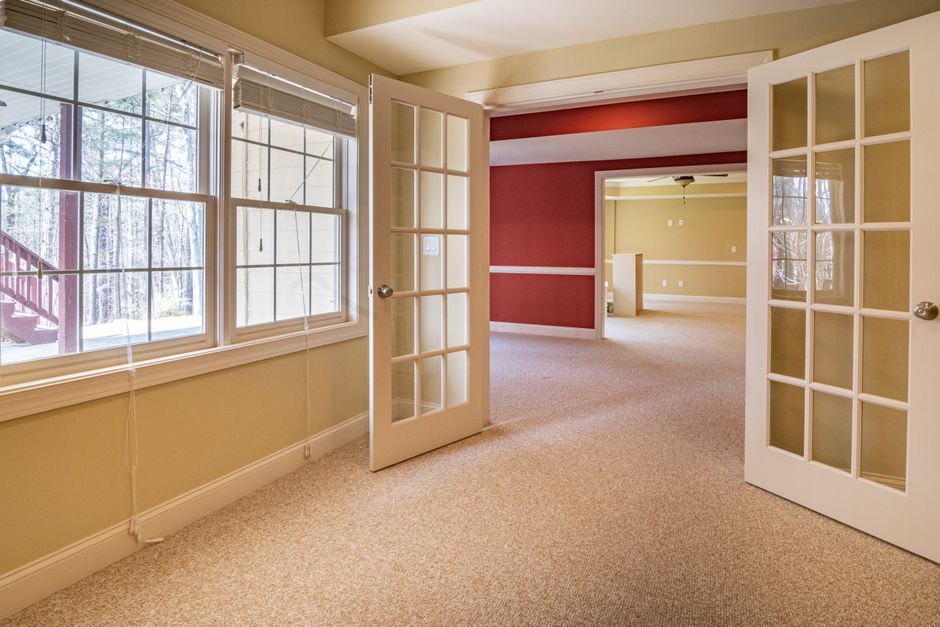
Aluminum window and door systems and fire-rated doors solve different problems and rarely substitute for each other on a code-mandated opening. Aluminum systems target thermal performance, slim profiles, large lites and coastal corrosion resistance, with frame depths typically in the 50–90 mm range and thermal-break polyamide strips rated for U-values commonly quoted in the 1.0–2.0 W/m²K band on insulated-glazed units [S3][S5][S8].
Fire-rated doors are rated by minutes of fire resistance — 20, 45, 60, 90, 120 and 180 minute listings are common — and the rating applies to the complete assembly (door leaf, frame, hardware, glazing, seals), not the slab alone [S1][S4][S7]. Specifying the wrong product at a rated wall opening is a fire-code violation that fails inspection regardless of how good the aluminum extrusion is.
Scope, Definition and What Each Product Is For
An aluminum window and door is a glazed envelope component: an extruded aluminum-alloy frame (commonly 6063-T5 or 6063-T6) wrapping insulated glass, with weather-stripping, rollers or hinges, and a locking or multi-point hardware set. Manufacturers such as Wojan, Linyi Limeng and Shandong Imagery ship single-hung, double-hung, horizontal slider, projected, fixed, blast-resistant and impact-rated variants for residential and commercial envelopes [S3][S5][S8].
A fire-rated door is a code-listed assembly built to resist flame and hot-gas passage for a stated duration, then impact-tested on the cool side at the rating's end. Steel-core fire doors remain the most common commercial listing; Kingsway Group markets a 60-minute rated wooden patient-room door for healthcare, while AluFlam produces fire-rated aluminum window, wall, swinging door and curtain-wall systems at 20, 45, 60 and 120 minute ratings — proof that the two categories can overlap only when the aluminum assembly carries a tested, labeled fire rating [S2][S7].
Selection Criteria: Frame, Glazing, Hardware and Listing
Aluminum envelope selection runs on thermal-break profile depth, glass package (single, double, low-E double, triple), NFRC U-value/SHGC targets, air-infiltration class, and hardware cycle rating. Wojan's product line explicitly includes FBC-approved and impact-rated units for hurricane zones, signaling that aluminum systems are often picked on coastal and code-driven envelope criteria, not fire endurance [S3].
Fire-rated door selection runs on the listed rating in minutes, the door's construction (steel honeycomb, mineral core, wooden stave core), positive-pressure or neutral-pressure test method, temperature-rise rating (250 °F / 450 °F), hardware fire-rated listing (e.g., a 3-hour fire-rated hardware set per D&D Hardware guidance), and the listing agency's label (UL, WH, FM). Hardware must carry the same hourly rating as the door — sub-rated closers, latches or hinges void the assembly [S4]. A fire-rated door at a corridor or stair enclosure is a life-safety component, not a finish-goods swap.
Who It Is For — and Who It Is NOT For
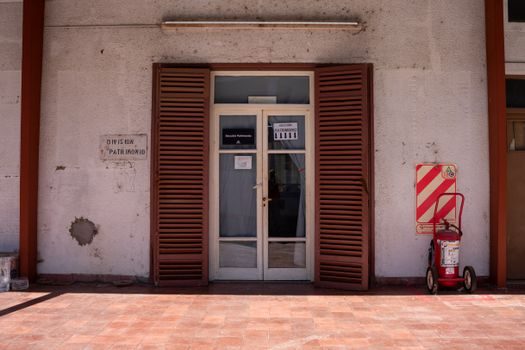
Aluminum window and door systems are the right pick for storefronts, curtain walls, residential and light-commercial envelopes, high-traffic sliding doors, and any opening where daylight, slim sightlines, weather-tightness and corrosion resistance are the dominant criteria. Linyi Limeng and Shandong Imagery sell broadly into export residential and commercial markets where powder-coat finishes, multi-point locks and thermal-break profiles are the buying criteria [S5][S8].
Fire-rated doors are the right pick at code-mandated fire walls, stair enclosures, mechanical rooms, garage-to-residence transitions, and any opening the AHJ requires a labeled rating on. They are the wrong pick where the design driver is daylight or view — a solid-core rated door is opaque by design. They are also the wrong pick for specifiers who need the view of an aluminum frame: standard aluminum storefront doors are NOT fire-rated unless they carry a tested, labeled rating such as AluFlam's 60 or 120 minute aluminum-glazed door assemblies [S7].
Comparison: Aluminum Window/Door vs Fire-Rated Door Across Four Decision Criteria
On the four criteria that drive product choice, the two categories diverge sharply. On load/function, aluminum units are optimized for weather sealing and cycle count, while fire-rated units are optimized for fire endurance (20–180 minutes) and positive-pressure listing. On material, aluminum systems use 6063-T5/T6 extrusions with thermal breaks, while fire-rated doors use galvanized steel, mineral core, wooden stave core or — in the niche hybrid case — listed fire-rated aluminum extrusions with intumescent and ceramic glazing [S1][S3][S7].
On standards and listing, aluminum systems typically reference NFRC U-value/SHGC ratings, AAMA/WDMA performance grades, and local FBC/impact approvals; fire-rated assemblies reference UL 10C/10B positive-pressure listings, NFPA 80 installation rules, and a labeled hourly rating. On cost and lead-time, ufire-doors-style commercial fire-door suppliers advertise 3–5 day build-and-install cycles in NYC, while custom aluminum systems typically run on multi-week extrude-fabricate-deliver schedules; this is a real procurement lever when a code-mandated opening is on the critical path [S1].
Limits, Failure Modes and Sourcing Watchouts

The most common failure is field substitution: an installer hangs a non-listed aluminum storefront door at a fire-wall opening because the aluminum frame was on the truck. This fails the AHJ inspection and, more importantly, voids the wall's fire rating for the building's life. A second failure mode is partial hardware replacement — swapping a non-listed closer or viewer onto a labeled door destroys the assembly's listing, regardless of the door slab's rating [S4].
For aluminum systems, the real sourcing risk is the thermal-break polyamide strip and glass package, not the extrusion. Cut-rate profiles run a 15–20 mm polyamide that drifts in U-value and condensation performance. For fire-rated doors, the real sourcing risk is rating creep — sellers quoting "60-minute" without showing a labeled listing mark. The Made-in-China aluminum-fire-door product set is dominated by galvanized steel and aluminum-alloy security/roller-shutter constructions rather than vision-glass fire assemblies; specifiers wanting 60–120 minute aluminum-glazed fire doors should look at specialized fire-rated-aluminum lines such as AluFlam rather than the generic catalog offerings [S6][S7].
Standards, Ratings and the Aluminum-Door Material Backbone
Aluminum envelope standards vary by region — NFRC for U-value/SHGC, AAMA/WDMA for performance grade, FBC for impact, and EN 14351-1 in European markets — but the material itself is consistent: 6063-T5/T6 extrusions dominate window and door profiles, with 6061-T6 used where higher mechanical strength is needed. A general primer on the aluminum alloy family and its tempers is the right starting point before pinning a profile spec. [S1]
Fire-rated door standards in the U.S. are built on UL 10C/10B positive-pressure tests, NFPA 80 installation/maintenance rules, and NFPA 252 / UL 10C for the test method. Glazed vision kits must be fire-rated as a system with the door, and intumescent seals are the standard detail at frame-to-wall interfaces. For aluminum-framed fire-rated assemblies such as AluFlam's 20, 45, 60 and 120 minute systems, the same hourly test framework applies — the hour rating is set by a tested assembly, not by an extrusion spec sheet [S7].
Decision Track: When the Building Needs Both
Most modern commercial projects need both products on the same drawing set. Aluminum window, door and curtain-wall systems handle the envelope and daylight; fire-rated doors handle the rated walls, corridors, stairs and occupancy separations. The mistake to avoid is treating the aluminum envelope spec as if it covered the rated openings, or treating a fire-rated door spec as if it covered the lobby storefront. Hybrid assemblies exist — AluFlam's fire-rated aluminum-glazed door and wall systems target exactly this overlap at 60 and 120 minutes — but they are a specialty product with a tested listing, not a standard aluminum storefront door with a fire-rating sticker [S7].
For aluminum-spec-heavy projects, pair the envelope schedule with a confirmed fire-rated opening schedule, with a labeled listing mark on every rated door, frame and hardware set. For aluminum-only specifiers, a system window and door framing reference helps frame the profile and glass-package decisions separately from the fire-rated openings. Two trackable signals to watch through the second half of 2026: the rollout of new FBC impact and energy-code editions affecting coastal aluminum specs, and any updates to NFPA 80 hardware-field-substitution guidance that tighten the rules on listed assemblies.
For related coverage, see Chemical Reagent vs Industrial Adhesive: 2026 Spec Cut for Buyers and Specifiers.