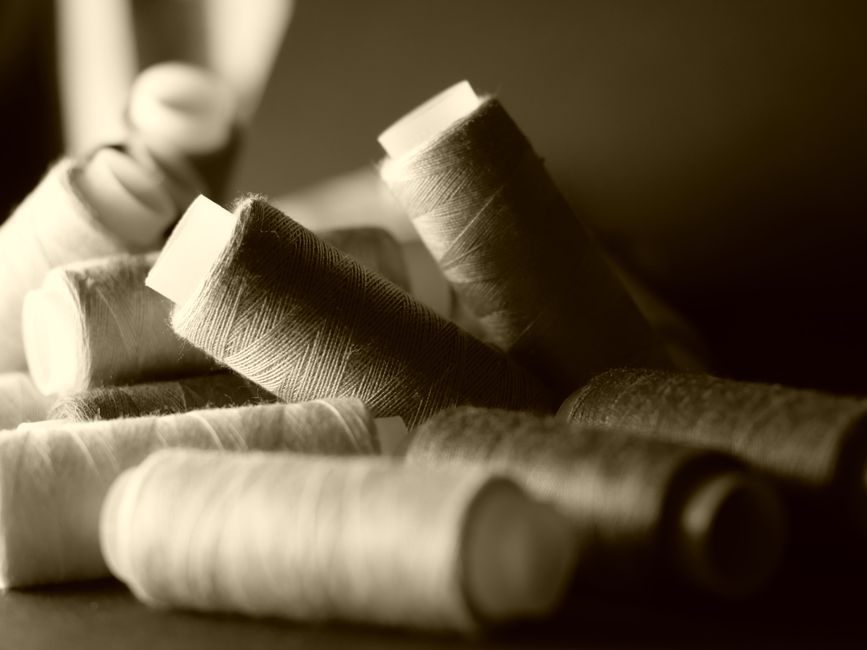
Para-aramid (Kevlar/Twaron/Technora family) and meta-aramid (Nomex family) supply remained constrained through Q2 2026, with downstream buyers in high-pressure sealing, friction material, hose reinforcement, and ballistic composites reporting longer lead times and partial-allocation notices rather than outright price-list increases [S2].
Industrial spec engineers should treat 2026 as an allocation year, not a price year: contracts are being honored, but spot volumes are gated, and substitution decisions on temperature, tensile, and chemical-resistance margins carry real qualification cost [S2][S6].
What the actual shortage looks like on the spec sheet
Spec-side symptoms of the 2026 aramid squeeze show up as denier shortages, yarn-count gaps, and longer lead times on woven roll goods, not as headline price moves on retail sites [S2]. PTFE/aramid braided packing built with corner aramid reinforcing yarns — a common high-pressure piston-pump seal — is being quoted with extended delivery because the aramid corner yarn supply is gated, even though the PTFE matrix is freely available [S2].
Engineers specifying for -200 °C to +280 °C service windows on pumps, valves, and reciprocating compressors should expect substitution proposals to drift toward UHMWPE corner yarns, graphite-PT hybrids, or expanded graphite, each of which trades off the aramid's specific tensile-to-weight advantage [S2][S6].
Comparing the real options when aramid is allocated
When aramid yarn is on allocation, the credible substitutes on a 4-criteria basis are UHMWPE (DC851-class), carbon fiber, PAN-based oxidized fiber, and pure PTFE/graphite packings without aramid reinforcement [S2][S3][S6]. On a 2-4 criterion comparison: UHMWPE wins on specific tensile and chemical inertness but loses on continuous-temperature ceiling; carbon fiber wins on modulus and heat but is brittle and conductive; PAN-based oxidized fiber sits between aramid and carbon on cost and flame behavior, and is increasingly offered as a factory-direct precursor for sealing and fire-safety uses; pure PTFE/graphite drop the reinforcement entirely and accept a lower pressure ceiling [S2][S3].
For high-strain-rate impact loading, published bundle-level data on Technora-class aramid versus DC851 UHMWPE shows measurable differences in statistical tensile response at high strain rate, so any aramid-to-UHMWPE swap must be backed by dynamic-load re-qualification, not just a static tensile check [S6].
Who is hit first, who is barely affected
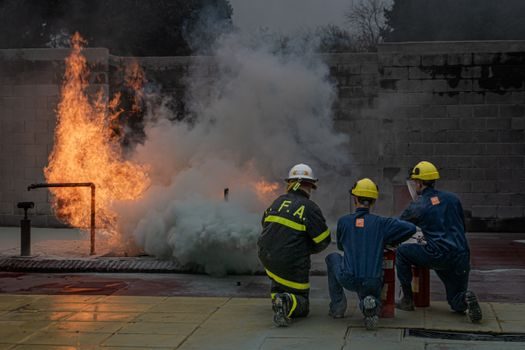
First-hit buyers are those on small-batch, high-spec runs: PTFE/aramid braided packing converters, aramid-corner gaskets for chemical plants, and short-roll woven fabric orders for cut-and-sew protective apparel [S2]. Mid-tier friction-material shops (brake pads, clutch facings) and hose reinforcement weavers see longer-cycle tightness but rarely stoppage. Large tire-cord and ballistic-composite OEMs with multi-year offtake are insulated by contracts and run last in line for cuts [S2].
Buyers who are NOT materially affected: anyone using meta-aramid paper for electrical insulation (Nomex-class), where capacity additions in 2024-2025 were heavier, and anyone specifying generic industrial textiles outside the high-modulus corner-reinforcement use case [S2].
Failure modes and spec traps to watch
The single most common trap in a tight aramid market is silent substitution: a vendor keeps the part number and the data sheet, but replaces the corner aramid with lower-denier aramid, with PAN-based oxidized fiber, or with a UHMWPE hybrid [S2][S3]. Static burst pressure and tensile checks may still pass on a coupon, but high-strain-rate impact and long-term creep at temperature diverge from the original qualification window [S6].
A second trap is treating PAN-based oxidized fiber (the 1.2D-1.5D precursor stock now being offered factory-direct) as a drop-in for aramid in sealing and fire-safety applications: it is a carbon-fiber precursor with its own oxidation-state and temperature envelope, and it changes the friction, wear, and chemical-resistance behavior of the finished packing [S3].
Procurement and engineering responses that actually work
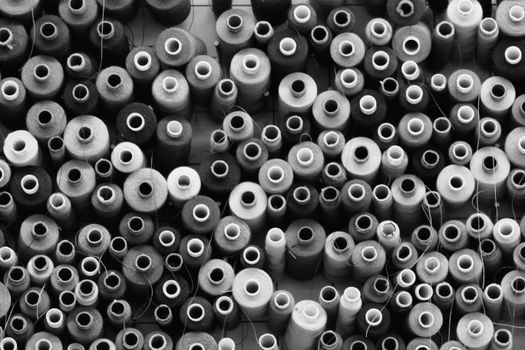
Three responses are landing in working purchasing systems in 2026: locking multi-quarter aramid yarn allocations with the upstream spinner rather than with the converter, dual-qualifying at least one substitute packing construction per equipment family, and tracking denier and yarn count on every inbound certificate of analysis so a corner-yarn swap shows up on paper [S2][S3].
For composite and hose-reinforcement buyers, the practical move is to qualify UHMWPE and PAN-oxidized alternatives against a published high-strain-rate test protocol, not against a static tensile datasheet, because the dynamic response gap is where field failures will first show up [S3][S6]. Related sourcing context on the broader aramid value chain is mapped in this upstream-to-downstream industrial spec walkthrough, and prepreg/yarn/woven-fabric supplier routing is tracked in the 2026 aramid supplier sourcing map.
Standards and documentation that have to be right
Sealing and gasket specs touching aramid reinforcement are commonly referenced against ASTM-style packing tests, ASME gasket factors, and equipment-specific standards (e.g., ASME B16.20 for ring-joint gaskets, ASME B31.3 for process piping); for hose and composite reinforcement, ISO 1307, ISO 1402, and MIL-DTL specs apply depending on end use [S2]. The point for 2026 is not a new standard but tighter incoming inspection: every aramid-corner packing lot should arrive with documented denier, twist, and tensile, and any deviation should trigger a documented engineering deviation, not a verbal supplier assurance [S2][S3].
Watch signals for the next quarter: aramid-corner packing lead-time extension notices from converters, factory-direct PAN-oxidized precursor offers for sealing use, and any cross-allocated fiber like UHMWPE also tightening under shared precursor constraints [S2][S3][S6].
The underlying component specifications are covered under dc power supply, switching power supply, and industrial ups.