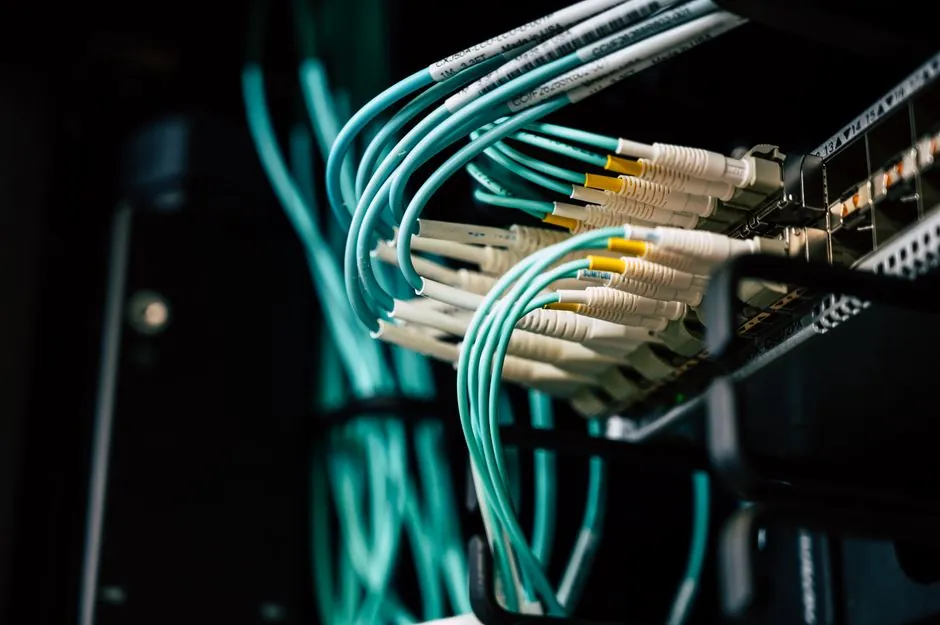
On conduit-heavy industrial sites, an automatic level (self-leveling optical or rotary laser instrument) is the fastest way to keep a 480 V three-phase motor feeder, cable tray run, and busway elevation within the tolerance the National Electrical Code (NEC) derating tables assume when ambient temperature and conduit fill are stacked [S1].
For electrical work the instrument is not a surveyor's tool first; it is a routing and grade tool that supports the seven foundation rules of good installation work, including proper cable-run selection, identification of conduits, and bunching of outgoing and incoming cables where parallel runs share a tray [S2].
Definition and scope: what counts as an automatic level on an electrical job
An automatic level in the electrical context is a self-leveling line- or point-generating instrument that holds a horizontal reference plane to within a stated accuracy over a working radius, freeing the installer from manual bubble adjustment on every shot [S2]. Two classes dominate: optical self-leveling levels (30x to 40x magnification, ±2.0 mm/km compensated accuracy) used for indoor conduit grading and switchgear alignment, and self-leveling rotary lasers (Class II 635 nm or Class IIIR 520 nm) used for long tray runs and bus duct plumb [S2]. Both must compensate in a 5–15 arc-minute range, which is the band where electrical-grade instruments diverge from construction-grade units. The reference automatic level encyclopedia entry frames the instrument family, accuracy conventions, and detector pairings used in industrial trades.
Selection criteria: range, accuracy, IP, and power
Four numbers decide the purchase on an electrical site: working radius, leveling accuracy at that radius, IP rating, and battery type. Indoor switchgear rooms with 6–20 m tray spans are well served by a 300 m radius rotary with ±1.5 mm/30 m accuracy, an IP54 housing against concrete dust, and a rechargeable Li-ion pack delivering 25–40 hours per charge [S2]. Outdoor substation builds (40–80 m runs between gantry columns) push the spec to a 500–600 m radius unit, ±2.0 mm/30 m, IP66 for rain and windblown dust, and a dual-source NiMH/Li-ion pack so cold-weather crews are not stranded. A 480 V three-phase motor drawing 200 A needs conductors rated above running current because drive-induced harmonic content adds heating, and the tray that carries those conductors needs a straight, sloped reference plane that only an automatic level can hold across a long horizontal run [S1].
The instrument must be paired with a laser detector (also called a receiver) sized to the same radius class; a rotary laser without a detector is effectively a 30 m tool because the unaided beam fades in daylight. Detector window widths of 50–90 mm and a 1–3 mm pick-up tolerance are typical for the electrical-installation band, and the detector should accept a rod-mount clamp so the instrument can be flipped to vertical mode for plumb-checking bus duct risers [S2].
Who it is for, and who it is not for
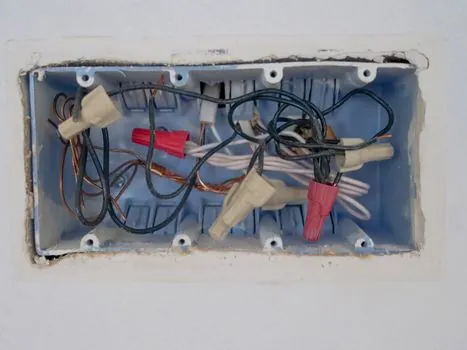
An automatic level is for the industrial electrical installer laying out 50–600 m of conduit or tray, the switchgear crew aligning bolted busbar sections to within 1 mm of plumb across a 3 m vertical, and the EVSE contractor preparing a home electrical panel for a Level 2 charger where the run from service disconnect to garage may be 15–40 m with multiple bends [S3]. It is not for one-device trim-out, not for residential work where a 1 m torpedo level is sufficient, and not for hazardous-area conduit in a NEC Class I Division 1 environment unless the instrument carries an intrinsic-safety rating, since most general-purpose rotaries do not. A more specialist optical instrument such as a theodolite or total station is the right pick when vertical control across multiple floors is required, not a rotary laser.
Comparison: optical level vs rotary laser vs line laser on electrical work
Three options compete for the same routing task, and the decision is driven by four criteria that an installer can score on site: [S2]
1) Optical self-leveling level. Best for indoor switchgear alignment at 5–30 m. Typical accuracy ±2.0 mm/km, 30x magnification, no power-hungry laser diode, near-zero warm-up. Weak on long runs because every reading needs line of sight to a rod, and the operator cannot leave the instrument.
2) Self-leveling rotary laser with detector. Best for 30–500 m tray and conduit runs. Accuracy ±1.5–3.0 mm/30 m, 500–600 m working radius with detector, IP54–IP66 options, single-operator workflow because the detector reads the beam. Heavier battery draw, and calibration must be field-checked on a flat slab before each shift.
3) Cross-line / point laser. Best for short indoor box-to-box work under 10 m, especially switchboard cubicle alignment and small panel retrofits. Accuracy ±2.0–3.0 mm/10 m, no detector needed, cheapest class. Cannot grade a long tray without a rotating head, and beam visibility in lit industrial spaces is poor without a detector.
For most 480 V motor-control-center builds the rotary laser with detector is the default; the optical level wins only when crews already own the instrument and the run is short. Reference electrical measurement walks through how the same instrument family is used for switchgear acceptance tests and busway verticality checks.
Use cases tied to real electrical tasks
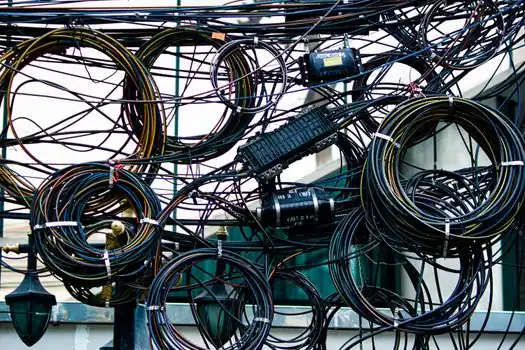
Conduit routing in explosive-vapor areas: the level establishes the 1/4 in. Cable-tray and cable-ladder alignment: a 50–200 m run of ladder is set to a fixed elevation reference plus a 1% fall, and the detector lets one installer walk the run while a partner carries the rod. Bunching and parallel-circuit runs: where multiple 200 A motor feeders share a tray, the automatic level holds a single elevation so derating calculations for more than three current-carrying conductors stay valid [S2]. Bus duct plumb: a rotary flipped to vertical mode checks each 3 m bolted section to within 1 mm of true plumb, which matters because misalignment stacks over height and stresses the joint. For adjacent mechanical work, installers often follow the same instrument into plumbing rough-in; the automatic level for plumbing install: 2026 spec map and selection rules article covers slope, grade, and trap-priming tasks that share the tool.
Limitations, failure modes, and when not to use the instrument
An automatic level is a routing tool, not a code-compliance tool: the derating factors for ambient temperature, more than three current-carrying conductors in a raceway, and NEC 310.15(C) conditions still come from the conductor-sizing tables, not from the laser [S1]. The instrument also cannot compensate for a tripod that is sinking into soft backfill; field crews must set the tripod on a plate or on compacted base, and they must re-check compensator accuracy every 30–60 minutes because vibration from nearby jackhammers or forklift traffic will drift the reference plane [S2]. When the working environment is a NEC Class I Division 1 or IEC Zone 0 hazardous area, the rotary or line laser must carry a vendor-issued intrinsic-safety certification, and a non-rated unit should be removed and replaced with a documented IS instrument; repairing a damaged compensator in the field is not acceptable because the repair will not restore the original ±1.5 mm/30 m tolerance, and the safe path is to send the unit to a calibration lab or replace it. The LV electrical entry shows where low-voltage installation rules intersect the field layout the level produces.
Standards, calibration, and sourcing
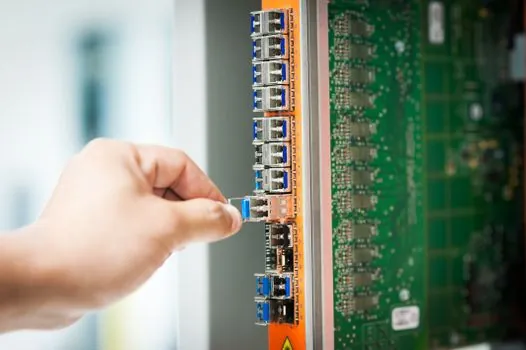
For procurement, the on-paper spec should call out accuracy at a stated radius (not a marketing maximum), the IP rating with a test standard reference, the battery chemistry and run hours at 20°C, and the warranty length on the compensator assembly. Vendor calibration certificates traceable to a national metrology institute are required for switchgear and substation work because downstream acceptance tests depend on the layout plane the level established. Crews should field-check the instrument every shift using the two-peg test: set the level mid-span between two points 30 m apart, take rod readings, then move the level to one end and re-read; a difference larger than the stated accuracy means the unit is out of service. For adjacent electrical-fire and panel-monitoring work the same crew often runs, the electrical fire monitor reference is a useful cross-check on device placement heights. [S2]
For related field layout tasks, see Industrial Gear Selection for Wind Power: 2026 Spec Map on the mechanical side and Smoke Detector Selection for Warehouses: 2026 Spec Map on the electrical-life-safety side, both of which use the same laser-class and accuracy conventions. Next trackable signal: a 2026 update to UL 61010-1 test conditions for laser product ingress that may tighten the IP54-to-IP66 boundary for outdoor electrical work; confirm vendor declarations before any Level 2 EVSE site (typically 40 A at 240 V with a 50 A breaker per NEC 625) specifies an IP-rated rotary [S3].