
An automatic tarp system uses an electric motor and pivoting arms to deploy or retract a load cover, reducing manual handling compared with a manual roll tarp [S2][S4].
Manual systems suit occasional hauling and restricted budgets; automatic systems fit high-volume fleets that repeatedly cover gravel, dirt, asphalt, wood chips, demolition debris, or refuse [S2][S4][S5].
Operating mechanism and maintenance burden
A manual system requires a worker to pull the tarp over the body, secure it, and later remove it before dumping; one example is a hand-crank roller kit for dump trucks and trailers [S8]. A listed telescopic manual unit uses an aluminum roller bar adjustable from 60 to 104 inches and installs without drilling [S7].
An automatic roll or flip system eliminates manual pulling and cranking. A powered roller, arm, or pivot arrangement moves the tarp, while a switch kit and electric motor form the operating core; common equipment also includes a protective housing, arm pivots, and mounting brackets [S2]. One product category describes flip systems as using a high-torque electric motor to pivot steel or aluminum arms [S4].
Semi-automatic systems occupy the middle position: spring tension pulls the tarp across the load and holds it at the return ramp, while releasing the pull bar retracts it into the housing [S2]. Their listed components include a spring-loaded roller tube, pull bar, nylon pull rope, ratchet assembly, mounting brackets, and return ramps [S2].
Decision comparison by operating criteria
Manual systems are simpler in component count and require no electrical connection to the truck [S5]. On deployment effort, automatic systems win because the motor moves the cover and the operator can remain in the cab or operate from ground level [S4][S5].
On operator exposure, manual systems require someone to move over or onto the load and then secure it, while automatic systems largely remove that climbing requirement [S5]. On maintenance, manual tarps wear through repeated handling and road vibration, whereas an automatic system adds motor, controls, brackets, arms, pivots, and integration requirements that require inspection [S2][S5].
On duty cycle, the evidence supports automatic equipment for fleets running multiple loads per day. One fleet guide states that automated systems are preferred in heavy-duty hauling because they reduce cover time and labor while increasing efficiency [S4]. Repeated manual tarping adds time to every run, and haste can result in a tarp that is not fully secured [S5].
Best fit by hauling application
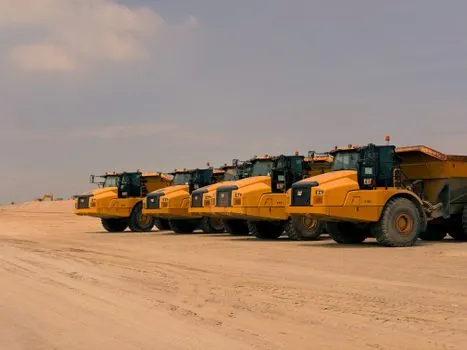
Choose a manual roll tarp for a single truck, occasional aggregate or landscaping work, short seasonal demand, or a maintenance program with limited electrical or hydraulic capability. The 60–104 inch telescopic example is specifically positioned for small landscape and dump trailers [S7].
Choose an automatic system for fleets running multiple loads daily, long-haul operations, high-turnaround yards, or routes where loose debris, rain, or driver fatigue raises the operational cost of climbing and hand securing. Automated systems can cover a full load in seconds from ground level, although the supplied material provides no controlled deployment-time figure [S5].
Match the architecture to the body and material. Front-to-back flip tarps are used on end-dump construction trailers carrying asphalt, crushed material, dirt, gravel, refuse, sand, and stone; agricultural dump and silage trailers may use arm-style or flip systems, while moisture-sensitive grain commonly uses vinyl roll tarps with side-to-side lock-down [S4].
Electrical, structural, and service constraints
Automatic selection must account for more than the motor. Listed automatic equipment includes an automatic roller tube, automatic arms, arm pivots, an electric motor, a switch kit, mounting brackets, and a housing that protects the roller tube [S2].
Manual selection is mechanically simpler but labor-dependent. The operator must lift and pull the tarp over the truck and secure it at the rear, a workflow that can leave the cover improperly secured when performed in haste [S2][S5].
The relevant dump truck configuration decision is not simply electric versus hand-powered. It is whether the chosen tarp architecture can deploy over the actual body, retract for dumping, survive the cargo and route, and remain serviceable within the fleet's maintenance capacity [S1][S2][S4].
Compliance and procurement criteria
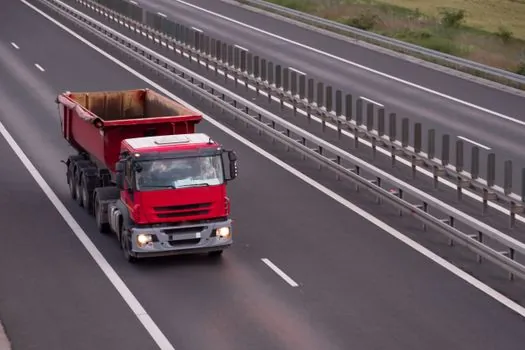
Load securement applies even where a jurisdiction does not prescribe a particular tarp system by name. The supplied Louisiana guidance identifies 49 CFR Parts 392 and 393 as the federal load-securement framework and states that loads must not drop, sift, leak, or otherwise escape [S5]. Confirm state-specific requirements for the operating territory rather than assuming one nationwide tarp rule [S1][S5].
Build a bid comparison using four measurable lines: complete installed price, seconds per deployment, number of manual climbing or securing events per shift, and annual tarp and hardware replacement cost. Do not omit the switch kit, motor, pivots, brackets, roller housing, and mounting labor from an automatic quotation, and do not omit straps and repeated tarp replacement from a manual quotation [S2][S5].
For mixed fleets, standardize automatic coverage on high-cycle units while retaining a manual roll tarp backup for spare trucks and low-duty work. This limits capital deployment while preserving a practical response when an automatic component fails, provided the backup roller, straps, and mounting interface remain serviceable.
Track loaded tarping events per driver, minutes spent securing covers, failed securement observations, tarp replacement frequency, and automatic-system downtime by month. Those five signals provide a defensible basis for converting a manual unit to automatic rather than relying on a general productivity assumption [S2][S4][S5].