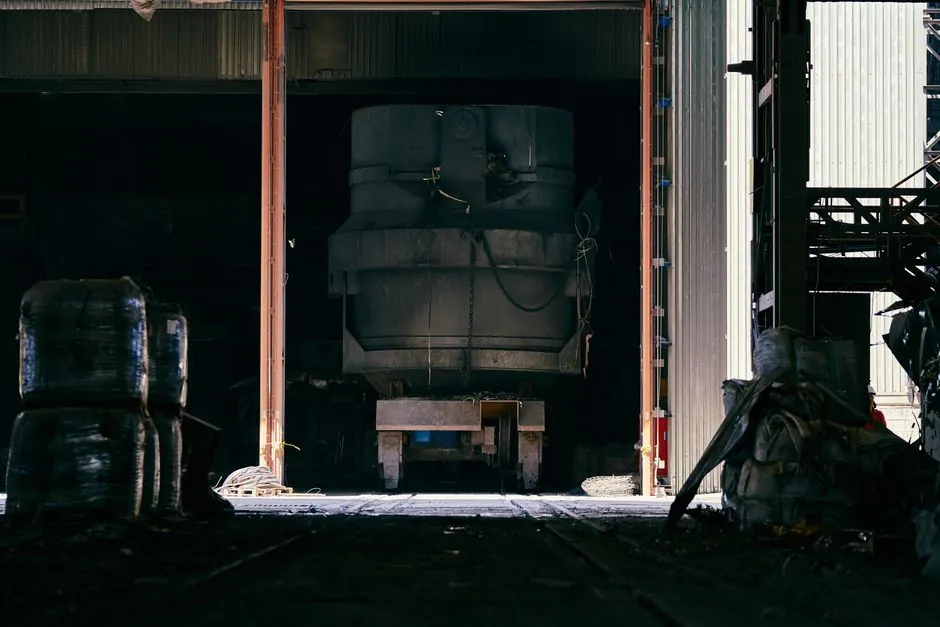
Industrial lubricant selection on an automotive line is a zoning problem before it is a product problem, because the same factory runs four hostile environments side-by-side: stamping presses, welding robots, paint-oven conveyors, and final assembly [S5].
Get the zoning wrong and the visible failure mode is rarely a worn bearing, it is a six-figure unplanned stoppage; industry figures cited in plant-maintenance literature put downtime at $10,000 to $50,000 per minute in high-volume automotive plants [S5]. A practical 4-step selection framework, anchored to the OEM manual, the operating environment, the additive package, and on-site verification, prevents that outcome.
Step 1: Anchor on the OEM Manual, Not the Sales Sheet
The OEM specification is non-negotiable, and the first data point to extract is the viscosity grade, usually expressed as ISO VG (e.g. ISO VG 46 for many hydraulic systems) together with a performance standard such as DIN 51524-2 HLP for hydraulic oils [S2].
Deviating from the OEM approval list without engineering sign-off is one of the fastest ways to void a multi-thousand-dollar warranty on stamping presses, CNC spindles, and hydraulic systems, because the OEM has already qualified base-oil type, additive chemistry, and cleanliness targets against the machine's bearing, gear, and seal design [S3][S5].
Step 2: Decode the Base Oil and the Additive Package
Base oil sets the thermal and oxidative envelope: Group II mineral oils remain the most cost-effective choice for moderate, stable conditions, while synthetics (PAO, ester, PFPE) earn their premium in extended-drain, high-temperature, or sealed-for-life service [S1][S2][S3].
The additive package, often up to 30% of the finished fluid, defines the lubricant's working behaviour: anti-wear (AW) agents such as ZDDP form a sacrificial film under boundary lubrication, extreme-pressure (EP) agents carry high-load gearboxes, rust and corrosion inhibitors protect against coolant and road-salt ingress, and anti-foam additives stop aeration that would otherwise collapse the hydrodynamic film [S2][S3][S6]. For a deeper primer on the chemistry side, see the industrial lubricant reference page.
Step 3: Match Lubricant Type to Production Zone

Automotive assembly grease selection and hydraulic/gear oil selection are governed by zone, not by machine nameplate: door hinges, seat mechanisms, and plastic gear systems typically need low-noise multi-purpose or silicone grease, while threaded fasteners in the brake or exhaust area require anti-seize compounds [S1].
Across the broader plant, the practical mapping looks like this:
Stamping presses and heavy gearboxes: high-viscosity mineral or synthetic gear oils with EP additives, typically ISO VG 150 to VG 320, chosen for shock-load survival [S4].
Welding robots (body-in-white): clean, silicone-free and chlorine-free greases, with cleanliness rated to ISO 4406 class 15/13/10 or better, and service life above 20,000 operating hours, because silicones and chlorinated paraffins poison weld electrodes and contaminate the paint line [S5].
Paint-oven conveyor chains: high-temperature chain oils rated for continuous service at 120°C to 250°C, where conventional mineral oils oxidise to hard coke deposits on pins and bushings [S4][S5].
Hydraulic systems on presses and lifts: anti-wear hydraulic oils meeting DIN 51524-2 HLP, with strong oxidation stability and water separation [S2][S4].
Final assembly grease: multi-purpose, silicone, or PFPE greases picked for the substrate (PA, POM, ABS, EPDM) and the noise/vibration target, since mismatched grease on plastics causes swelling, cracking, and squeak-and-rattle NVH defects [S1].
Step 4: Verify with Oil Analysis and Storage Discipline
Selection does not end at the drum; periodic oil analysis is the verification step that catches additive depletion, particulate ingress, and viscosity drift before they become a seized spindle [S2][S3].
Storage and handling are equally concrete: keep drums sealed, off the floor, away from direct sunlight and thermal cycling, and never top up a gearbox with a product that matches viscosity but not the additive package, which is the exact failure mode that destroyed the stamping press in the field example cited in the 2025-09-16 selection guide [S2]. For selection decisions on adjacent plant hardware, see the linear guide selection for agriculture machinery spec map and the turbine flowmeter selection breakdown.
Comparison: Lubricant Families on Decision Criteria

Group II mineral hydraulic oil (e.g. ISO VG 46, HLP) wins on cost and OEM approval density for general presses and lifts, but loses on high-temperature ceiling versus synthetics. [S3]
Synthetic PAO gear oil (ISO VG 150 to VG 320, EP) is the right answer for heavy, continuous-load gearboxes and extended drain intervals, at a 2 to 4x cost premium that is recovered through longer life and lower energy loss.
Silicone and PFPE assembly greases are the only credible options for plastic-on-plastic and sealed-for-life joints, but they are strictly off-limits anywhere near the body shop because silicone contamination of welding electrodes is a well-documented weld-quality defect [S1][S5].
Common Failure Modes and What They Tell You
Premature bearing wear on robot axes points to either a grease that has softened and leaked past the seal, or a tackified grease that has trapped weld spatter and turned abrasive, both of which demand a re-spec toward higher dropping-point, clean-room-rated grease [S5].
Chain jerking in the paint oven is the classic signature of coked mineral oil, and it is fixed by stepping up to a high-temperature synthetic chain fluid rated for the actual 120°C to 250°C skin temperature, not the ambient line rating [S4][S5].
Squeak-and-rattle complaints in the finished vehicle almost always trace back to grease-substrate incompatibility (e.g. mineral oil on EPDM or silicone on ABS) or over-lubrication, both of which are addressed by following OEM material-compatibility charts rather than picking a general-purpose product off the shelf [S1][S3].
For related shop-floor decisions that share the same spec-discipline logic, the sand blasting machine selection for pump and valve production piece applies the same approval-and-zone method to surface-finishing equipment.
Trackable next signals for plant lubrication teams: (1) move lubricant selection and qualification records into the same digital system as the CNC and robot maintenance logs so oil analysis trends are reviewed against machine hours, not calendar dates; (2) re-bid synthetic hydraulic and gear oils at each major model launch, since OEM approval lists are typically refreshed on the same cadence; (3) audit body-shop grease storage quarterly to enforce the silicone- and chlorine-free rule that protects the paint line.
For the relevant spec sheets and selection criteria, see additive manufacturing material, and industrial adhesive.