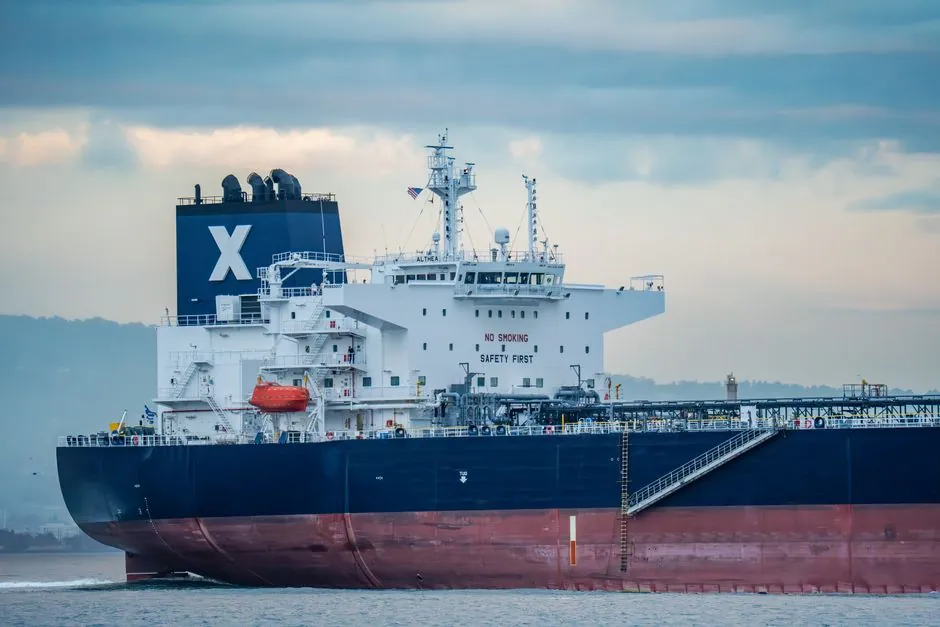
Marine-grade bonding falls into four dominant chemistries: two-part epoxy, marine polyurethane (often sold as 5200/4200 type), methacrylate (MMA / rubber-toughened acrylic), and UV-curable acrylate, each with a defined working-time, strength, and salt-water envelope [S2][S4][S7].
Joint design drives the choice more than marketing: hull-to-deck, hull laminate, through-hull, and hardware mounting each impose different lap-shear, gap-filling, and elongation demands, and selecting a product by its "marine" label without matching the substrate pair is the single most common source of in-service failure [S1][S5].
Substrate Pair and the Chemistry Match
For metal-to-composite and wood-to-fiberglass structural bonds in hulls, decks, stringers, and center consoles, two-part epoxy is specified because it offers high tensile and lap-shear strength, low shrinkage, and proven salt-water resistance, with the standard marine use case being wet-tolerant bonding of cured laminates [S8]. Bonded composite assembly also allows weight reduction compared with mechanical fastening, which is why modern vessels with fiberglass and carbon-fiber parts lean on adhesive bonds for primary joints [S2].
For dissimilar-material joints where thermal expansion mismatch is the controlling variable, rubber-toughened methacrylate (MMA) products such as Big Dog BD420 (5-minute work time) tolerate differential movement of large parts with mismatched CTE, while long-open-time variants like BD590 (70 to 100 minutes position time) let shipyards lay up and clamp large hull or deck panels before cure [S2]. Polyurethane variants occupy the flexible-sealant niche: marine polyurethanes such as the Stanley marine-grade PU wood glue and 5200-type polyether sealants are specified where the joint needs elasticity plus water resistance, with the polyurethane class typically cured by moisture and tolerant of wood swelling [S4].
Working Time, Cure Profile, and Productivity Gates
Open time is the most consequential shop-floor variable. Big Dog publishes five discrete working-time windows across its marine line, BD300 at 3 to 6 minutes (90% strength in 15 minutes) for fixture-fast hardware mounting, BD310 at 8 to 12 minutes for quick composite-to-metal repair, BD420 at about 5 minutes for trim and general assembly, BD350 at 25 to 45 minutes for precision composite layup, and BD590 at 70 to 100 minutes for large structural panels [S2].
UV-curable acrylates are a separate productivity case: cure on demand in seconds under a UV lamp, no mixing, and no waste pot life, but only where at least one substrate transmits UV and the joint sits above the waterline, because uncured resin in shadowed or immersed regions will not polymerise and will creep under load [S7]. Polyurethane and epoxy chemistries both behave as thermosets once mixed and are not reweldable; the production team must commit to clamp and fixture time before the pot clock starts.
Above-Waterline, Below-Waterline, and Permanently Submerged Zones
Joint location sets the polymer class. Above the waterline, a UV-stable polyurethane or methacrylate handles sun, splash, and thermal cycling with elongation to absorb movement. At the waterline, a salt-water-rated polyurethane or toughened epoxy is the typical choice because the joint sees cyclic wet/dry, biofouling, and mechanical shock from wave slam [S4][S6].
For permanently submerged or through-hull service, only fully cured, salt-water-rated epoxies and certain polyurethanes are widely accepted, with product literature specifically stating above- and below-water use (for example, GH1200 5200-type marine sealants are marketed for both zones) [S4]. The Nautiba technical guide is explicit that there is no universal marine product, and the right choice depends on the substrate, the need for flexibility, and whether the service is permanently submerged, because the wrong polymer can degrade quickly or fail to seal on dissimilar metals [S5].
Failure Modes Engineers Actually See
The recurring in-service failure modes documented across marine-adhesive literature are substrate delamination (cohesive failure inside the adherend rather than the adhesive), water ingress along the bond line, UV-driven chalking of polyurethane and polyester top layers, and galvanic creep when an adhesive bridges two dissimilar metals without isolating the joint [S1][S4][S7].
Surface preparation is the dominant lever. Epoxy and methacrylate both demand abraded, clean, and dry substrates; salt crystals, mould-release, and uncured gelcoat are the top three causes of "adhesive failure" that is really surface contamination [S8]. For UV-curable systems, any shadow line, opaque filler, or pigmented adhesive layer will leave a soft, uncured skin that creeps under sustained load, which is the failure mode most often misread as a chemistry defect rather than a cure-depth problem [S7].
Comparison: Four Marine Adhesive Chemistries on the Same Four Gates
Lining the four dominant chemistries against the same decision criteria gives a one-page spec map. Epoxy scores high on lap-shear strength, salt-water resistance, and gap-filling, but is rigid and has a fixed pot life. Marine polyurethane is flexible with good water resistance and bonds wood and metal well, yet it is slower to reach full strength and is UV-sensitive without a topcoat. Methacrylate (MMA) gives fast fixture, tolerant adhesion to composites and metals with mismatched CTE, but its surface prep is demanding and its odour requires ventilation. UV-curable acrylate gives on-demand, seconds-long cure and zero pot waste, yet it is restricted to above-waterline joints where UV reaches the bond line [S2][S4][S6][S7].
For reference standards and engineering context, the industrial adhesive family of polymer chemistries shares underlying cure and surface-energy rules with marine service, while engineering plastic substrates on modern vessels impose their own surface-energy and modulus constraints that change the adhesive pick. Joints that also pass through a marine valve or marine HVAC envelope must additionally tolerate the equipment's operating-temperature band, so cross-check the adhesive's service-temperature range against the bonded component's spec sheet before sign-off.
Sourcing, Standards, and What to Verify on the Datasheet
Spec sheets should be checked for lap-shear strength on the actual substrate pair (not a generic "metals" line), salt-water immersion rating with a defined test duration and temperature, elongation at break, and a service-temperature window that includes the boat's worst-case summer black-hull reading, often quoted as roughly 60 to 80°C for dark gelcoat in tropical sun [S1][S6].
For yard and survey traceability, request lot certificates, shelf life from manufacture (typically 12 to 24 months for two-part systems), and a documented surface-prep procedure, because surface prep is where most warranty claims are lost [S8]. For a related decision tree on industrial coating selection that often runs in parallel with adhesive specification, the industrial coating selection spec path gives a comparable four-gate framework that yards can adapt to topcoat and primer pairing over an adhesive bond line. When the bonded assembly feeds into a logistics flow that includes palletised spares, a comparable gating exercise appears in case packing machine selection for port logistics, which can serve as a template for staging adhesive cure rooms and bonded-assembly buffers.
Trackable signals to watch over the next two quarters: vendor release of NSF/ANSI 61 or potable-water-rated epoxy lines for tank-internal service, more low-VOC methacrylate formulations compliant with shipyard atmospheric rules, and wider stocking of 1:1 and 2:1 by-volume marine epoxy packs that remove mix-ratio error as a field failure mode.