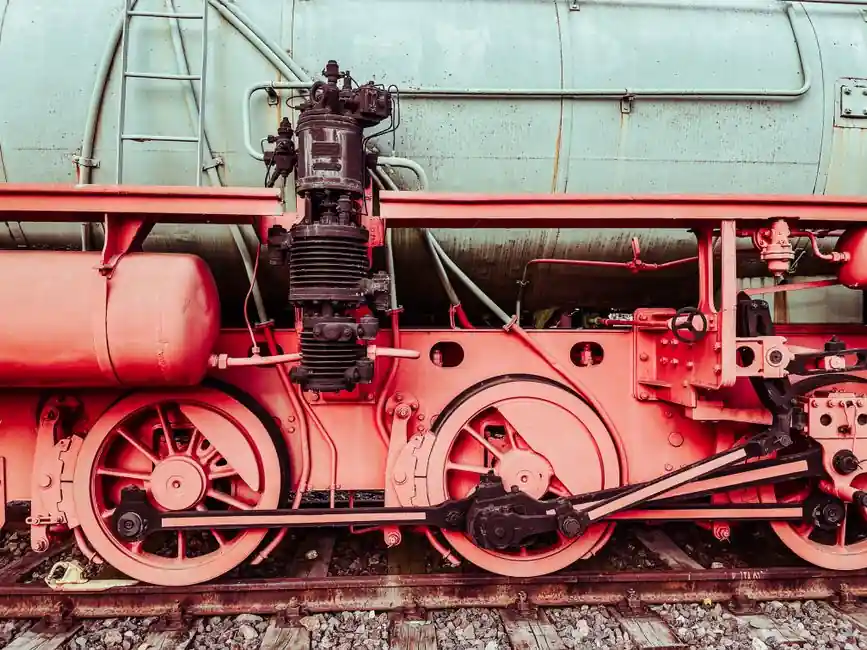
Structural adhesive bonding has been adopted across 35% of the world's rail fleet and is positioned as the productivity lever for overcoming the weight and fatigue limits of welded or riveted joints, with rail-grade polyurethane systems showing the highest resistance to dynamic vibration fatigue over decades-long service [S2].
The substrate map in a modern rail car is unusually mixed: aluminum, steel, glass, plastic, rubber, and fibre-reinforced composites are bonded in the same carbody, which is why a single adhesive chemistry cannot serve the full vehicle; selection is driven per joint, with material pair, temperature range, fire class, and dynamic load as the four hard gates [S3].
Substrate-to-Joint Map: What the Five Critical Adhesive Zones Look Like in 2026
Rail carbody panels in aluminum or coated steel are paired with two-component epoxy structural adhesives when high lap-shear strength and anti-corrosion performance are required, with thermal-expansion buffering between metal and plastic inserts as the secondary design driver [S1].
Train interior composite panels (sandwich skins on a foam or honeycomb core) are bonded with water-based modified polyurethane, driven by low-smoke, low-VOC, low-odor fire codes for occupied space; high-modulus PU is rejected here because odor and VOC exceed transit interior limits [S1].
Battery packs on hybrid and electric multiple units are potted with two-component PU potting compounds selected for insulation, IP-rated waterproofing, flame retardancy, and the ability to absorb cell-swelling displacement across thermal cycles [S1].
Bus and coach windshield glazing on rail-bound vehicles is installed with high-elasticity polyurethane structural adhesive that carries crash-safety loads, accommodates large thermal swings at the front aperture, and dampens road or track vibration [S1].
Engine bay and pipeline flanges (diesel multiple unit power packs, auxiliary circuits) use high-temperature silicone sealants where continuous elastomeric sealing under fuel and heat exposure is required, with permanent elasticity as the primary acceptance criterion [S1].
Selection Criteria That Actually Filter the Catalog
Four criteria separate a rail-grade bond from a generic industrial bond: (1) dynamic fatigue life under sustained vibration, (2) flame, smoke, and toxicity (FST) class for the occupied zone, (3) multi-substrate adhesion to aluminum, steel, glass, plastic, rubber, and composites without primer swaps, and (4) cure speed compatible with takt time on a moving assembly line [S1][S3].
Vibration fatigue is the disqualifier for ordinary rigid epoxies on long-life rail structures: ACROBOND PU 290/08, a polyurethane-based rail-grade adhesive, is formulated specifically to resist vibration fatigue and preserve structural integrity across decades of mechanical aging, where poor welds would crack [S2].
Surface preparation gates the bond more than the chemistry: dust, oil, and release-agent contamination on aluminum skins or composite cores must be removed with a dedicated surface-cleaning technical spray before any structural bead is laid, because contaminated substrates cut bond life well before the adhesive's rated fatigue limit is reached [S3].
Comparison of the Five Rail-Grade Adhesive Chemistries
Engineers typically narrow rail adhesive selection to five chemistries; lining them up against four decision criteria gives a directly extractable comparison for specifiers. [S1]
Two-component epoxy structural adhesive: highest lap-shear and compressive strength, excellent on metal-to-metal body panels, but rigid, so it does not absorb vibration or thermal-expansion mismatch; pair it where stiffness is the goal, not flexibility [S1].
Water-based modified polyurethane: passes low-smoke, low-toxicity interior fire codes, bonds composite skins to cores, but is not suited to underbody or engine-bay thermal zones above its water-based carrier's rating [S1].
Two-component PU potting compound: formulated for battery-pack insulation and IP sealing, absorbs cell swelling, flame retardant, but is over-specified and too costly for flat panel-to-panel bonds [S1].
High-elasticity polyurethane structural adhesive (windshield grade): carries crash loads, weathers large temperature deltas, and damps track-induced vibration, but requires surface-activated glass and controlled humidity for full cure [S1].
High-temperature silicone sealant: permanent elasticity under fuel and heat, ideal for engine pipeline flanges and high-heat joints, but its lower tear strength rules it out for primary load-bearing body structure [S1].
Who Rail-Grade Adhesive Selection Is For, and Who Should Walk Away
This selection path is built for rolling-stock OEMs, Tier-1 carbody integrators, and refit depots that need a documented, FST- and fatigue-justified bond on aluminum-steel-composite multi-material structures; if the application is a stationary fixture, a building façade, or a non-vibrating enclosure, a rail-grade spec is over-engineered and the same chemistries are available in cheaper, non-FST-rated grades [S1][S3].
It is not for one-off prototype shops without surface-prep spray capability, because rail-grade bonds fail at the interface, not in the bulk adhesive, and a contaminated bondline will undercut every other selection decision on the spec sheet [S3].
Use Cases Drawn from Active Rail-Industry Practice
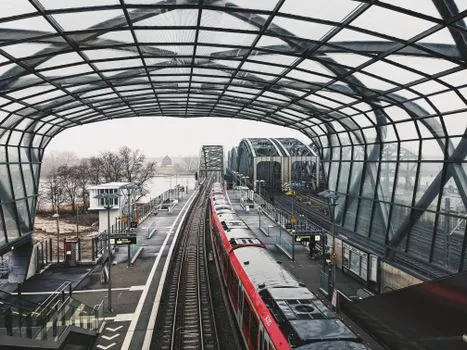
Chassis and bogie sub-assembly: ACROBOND PU 211/30, a two-component polyurethane, is used for the structural assembly of chassis elements in steel, aluminum, and composite, delivering high mechanical strength while absorbing the micro-deformations of the road or track [S2].
Cab NVH damping: ACROBOND PU 290/08 is specified in the rail cab area for its vibration-fatigue resistance, which directly supports NVH (noise, vibration, harshness) targets that welded or riveted joints cannot meet without adding mass [S2].
Refrigerated rail wagons and utility bodies: ACROBOND PU 101 (one-component reactive polyurethane) and ACROBOND PU 253 (two-component PU) are used for sandwich panel skins on polyester or aluminum facings with insulating cores, where delamination under temperature swing is the dominant failure mode [S2].
Interior composite panels: low-VOC, flame-retardant, water-based polyurethane adhesives comply with transit fire safety specifications and are the default for any panel inside the occupied envelope [S1].
Limitations, Failure Modes, and Process Risks
Fatigue debonding is the most common failure mode on rail bonds: long-term running vibration creates alternating stress that triggers cracks and peeling of ordinary adhesive joints, which is why rigid chemistries are filtered out of dynamic zones in favor of PU systems [S1].
Environmental attack is the second: rain, salt spray, oil, and extreme temperature cycles accelerate adhesive aging, water leakage, and bond failure, so any outdoor joint on a rail car needs both a weather-resistant adhesive and a sealed bondline geometry [S1].
Compliance is the third: global transport markets require flame retardancy, low VOC, and certified formulas; a chemistry that passes one region's rail fire code may not pass another's, so the FST class must be specified by document, not by adjective [S1].
For depot maintenance, technical sprays carry equal weight to the adhesive itself: surface cleaning, lubrication of door mechanisms and hinges, rust removal, moisture displacement, and corrosion protection are all part of the bond-and-protect workflow, and skipping the spray step is the most common cause of early field failure [S3].
Sourcing, Standards Anchors, and Process Signal to Track

Three process signals are worth tracking on the next procurement cycle: (1) shift of Tier-1 rail integrators from welding to PU structural bonding for chassis and cab sub-assemblies, which is consistent with the 35% rail-fleet adoption figure cited in 2026 [S2]; (2) tightening of low-VOC, flame-retardant specifications on interior composite panels, where water-based modified polyurethane is now the default rather than the exception [S1]; (3) growing requirement for documented surface-prep spray procedures as part of the bond qualification package, particularly on aluminum-composite mixed substrates [S3].
For foundries supplying rail castings, the same vibration-fatigue logic that drives adhesive selection also drives the Sand Cooler Picks for Rail Component Foundries: Fluid-Bed vs Rotary Trade-Offs decision, and the two specs should be reviewed together when qualifying a new bogie or bracket casting source.
For depot teams comparing chemistries, the spec path documented in Mold and Die Adhesive Selection: Epoxy, Cyanoacrylate, and Silicone Systems provides a useful reference for the rigid-versus-flexible decision, even though the duty cycle is shorter than rolling-stock service. More general industrial adhesive selection context, including substrate prep, cure kinetics, and fire-class codes, is documented in the reference encyclopedia.
For the relevant spec sheets and selection criteria, see industrial borescope, and industrial buzzer.