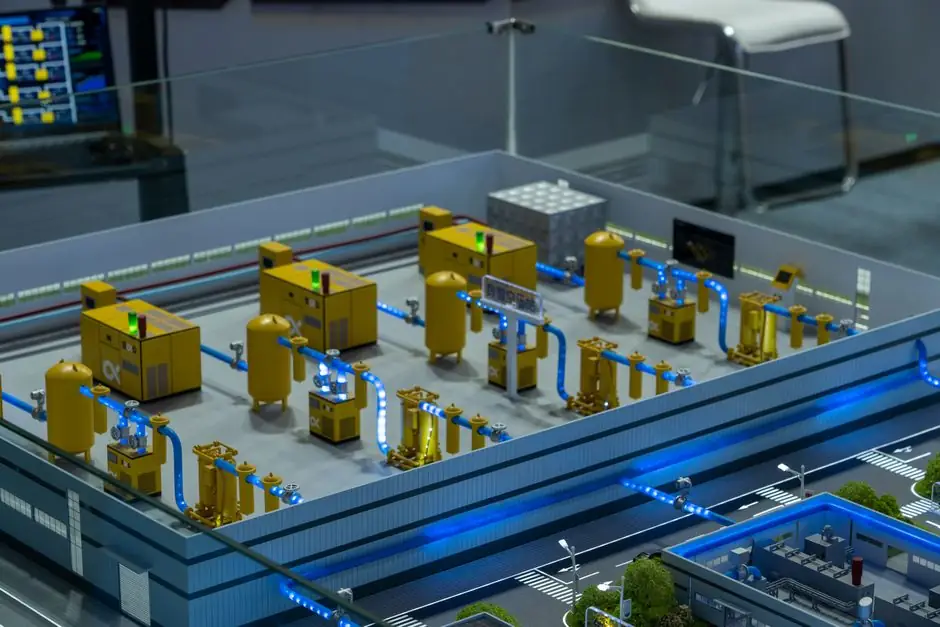
Battery pack production line design in 2026 is no longer a single conveyor with a torque wrench; it is a four-stage system spanning cell grading, robotic module assembly, pack integration with thermal management, and end-of-line electrical test, and a single defect in any stage propagates into the pack [S2][S5].
The market pull is real: 1,400 sq ft of laboratory space at PNNL now hosts a 16-piece prismatic cell pilot, a footprint that signals how compact a research-grade line can be [S1]. Turnkey integrators in 2026 bundle line design, equipment installation, process optimization, training, and SKD or CKD kits for tariff-restricted regions, treating the line as a deliverable product rather than a construction project [S3].
Cell sorting and matching: the upstream gate that defines pack reliability
Cell sorting uses automated cell sorting systems to classify cells by open-circuit voltage, internal resistance, capacity deviation, self-discharge rate, and temperature response before any mechanical assembly, and the weakest cell in a module sets the entire pack's usable capacity [S2]. In high-volume lithium-ion lines, the sorting stage feeds a data-driven matching algorithm that groups cells with near-identical performance profiles; skipping this step in large-format energy storage systems measurably raises thermal-runaway risk and degrades usable system capacity over time [S2].
The sorting gate matters even within a single supplier batch, because internal-resistance spread, voltage tolerance, and capacity deviation are inherent to electrode coating and calendaring variability upstream [S5]. Engineers specifying a line should treat the cell tester as a hard gate, not a quality checkpoint, and budget OCV and ACIR test capacity to match the upstream coating line's throughput, not the downstream pack throughput.
Module assembly: robotic handling plus joining technology selection
Automated battery pack production lines typically use robotic handling systems to position cylindrical, prismatic, or pouch cells into carriers or fixtures, then apply laser welding, ultrasonic welding, or busbar bonding to create electrical interconnections [S2]. Joining selection is driven by current requirements, material compatibility, and cycle-time targets; poor weld integrity, inaccurate torque application, and uneven thermal distribution are the three failure modes that drive most field returns, not cell defects [S2].
Thermal management integration begins at the module stage with cooling plates, thermal pads, gap fillers, and insulation barriers, and inadequate thermal interface quality leads to localized overheating once the pack is cycled at high C-rate [S2]. Inline inspection at this stage targets weld geometry, tab alignment, and insulation resistance, and the inspection density should scale with energy density: a 200 Wh/kg cell leaves far less margin for tab misalignment than a 120 Wh/kg cell [S2]. For lines that also feed an automatic molding line for housing components, synchronization of the module exit conveyor with the molding machine's cure cycle is the typical bottleneck.
Pack-level integration: from module to a tested, traceable pack
Pack assembly adds the structural frame, BMS wiring, busbars, cooling manifold, and enclosure, and the macro stages electrode manufacturing, cell assembly, conditioning, and pack assembly are now treated as a single quality chain rather than four independent work cells [S5]. Cell-to-Pack designs can still contain internal frames, compressed rows, banks, or other cell-grouping structures, so structural engineers should not assume CTP means a flat module-less sandwich; the grouping logic still drives serviceability and crash performance [S6].
Traceability data from cell sorting, weld inspection, and torque records must flow into a per-pack barcode so that any field incident can be traced back to a specific electrode coating batch and a specific joining station. In SKD and CKD delivery models, this traceability stack is exported as a software bundle alongside the physical kit, which is the differentiator that separates a true turnkey line from equipment-only sales [S3]. Lines handling pouch cells in particular benefit from a conveyor sorting line upstream of formation, because cell orientation and gentle handling directly influence post-formation yield.
Conditioning and end-of-line test: where packs become warrantable
After mechanical assembly, every pack enters a conditioning phase where cells are charged, rested, and discharged under controlled temperature to activate the chemistry and stabilize SEI formation, and the same phase is used to weed out early-life failures before shipment [S5]. End-of-line test then measures insulation resistance, isolation voltage, BMS communication, and a partial state-of-charge capacity check; the production process is grouped into electrode manufacturing, cell assembly, the conditioning phase, and pack assembly, with test gates between each macro area [S5].
Specifying capacity test on every pack is overkill for low-energy telecom backup but standard for EV packs where warranty exposure is high. Engineers who also spec thermal cycling should account for the line-frequency furnace duty class if any heat-treatment step is integrated into the same line.
Turnkey delivery models and the 2026 vendor landscape
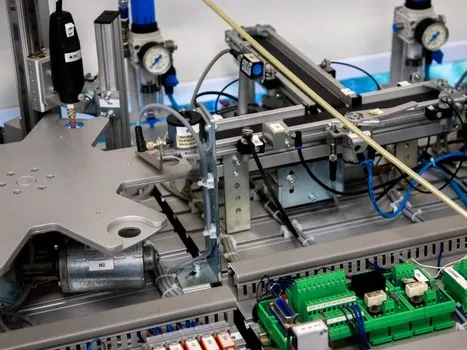
Turnkey project solutions in 2026 cover production line design, equipment installation, process optimization, and professional training programs, and the integrator's role extends from factory planning through after-sales support, not just equipment supply [S3]. SKD and CKD models are offered specifically for regions with import restrictions or high tariffs, and they allow local assembly while maintaining international quality standards, which is why emerging-market battery cell capacity is increasingly built around SKD/CKD kits rather than full imports [S3].
Vendor evaluation should weight four criteria: the depth of the Cell + PACK + System integration (vertical scope), whether the engineering team has prior gigafactory-scale commissioning experience, the ability to supply both pilot lines and mass-production lines on a common platform, and the post-installation training and process optimization window. For buyers building a new line who also run a molding line for enclosures, asking the battery integrator to share MES and PLC protocols up front removes a common integration tax.
Limits, failure modes, and what to watch next
The dominant failure modes in 2026-vintage pack lines are not at the cell level but at integration: poor weld integrity, inaccurate torque application, uneven thermal distribution, and inadequate insulation resistance, all of which become more severe as energy density rises and pack architectures become more compact [S2]. Structural-design review of EV packs increasingly focuses on vibration resistance, weld fatigue, and stress concentration under crash load, which means module-level mechanical design now drives as much rework as the electrical design [S4].
Trackable signals for the next planning cycle: pilot-line announcements at national labs (PNNL's 16-piece, 1,400 sq ft prismatic line is a useful throughput reference for research-scale planning) [S1], SKD/CKD kit launches targeting tariff-restricted regions [S3], and any shift of inline inspection from post-weld sampling to 100% vision plus ACIR on every cell. For related specification context, the battery pack capacity planning article tracks the 54 GW pipeline behind these line decisions, and the battery pack Industry 4.0 tooling map covers the MES and traceability layer that any new line must interface with.