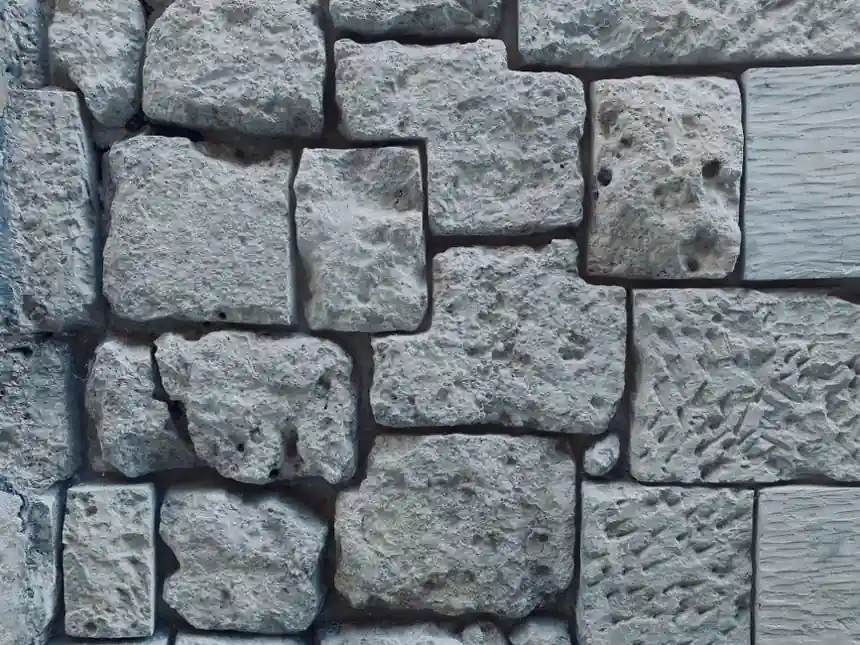
Engineered quartz reaches about 7 on the Mohs scale, while granite generally rates 6–7, so quartz has a narrow scratch-resistance advantage [S3][S4].
The comparison applies to approximately 90–95% crushed quartz bound with polymer resin and pigments, versus granite cut as a solid natural-stone slab [S3][S5].
Hardness: Quartz Leads Only on Mineral Scratch Resistance
Natural quartz ranks about 7 on the Mohs hardness scale, while granite commonly falls between 6 and 7 depending on mineral composition [S3]. Steel kitchen knives are generally assigned Mohs values around 5–6, so quartz offers a modest resistance advantage over ordinary knife contact [S4][S5]. Quartzite reaches 7–8, which places it above both granite and engineered quartz on the same scale [S4].
Do not treat Mohs 7 as a complete durability rating. Engineered quartz is not solid quartz: it typically contains roughly 90–95% ground quartz crystals, about 5–10% polymer resin and pigments, and its measured behavior depends on the finished composite rather than the quartz mineral alone [S3][S5]. Granite is also heterogeneous, so a slab containing softer feldspar or mica regions can behave differently from another granite slab [S3].
Material Construction Changes Real-World Performance
Engineered quartz combines crushed quartz with polyester or other resin binders and pigments, then compacts and cures the mixture in a mold [S2][S5]. A typical formulation is about 90% natural quartz and 10% polyresin, with pigments added for color and pattern, although the exact percentages vary by manufacturer [S5]. Granite countertop slabs are cut directly from natural stone rather than assembled from particles and resin [S3].
That construction difference affects more than hardness. The resin binder in engineered quartz lowers its heat tolerance and is not UV-stable for outdoor use [S2][S6]. Engineered quartz is hard, dense, nonporous and stain-resistant, but it is not necessarily stain-proof [S2][S4].
Heat Exposure Separates the Two Materials
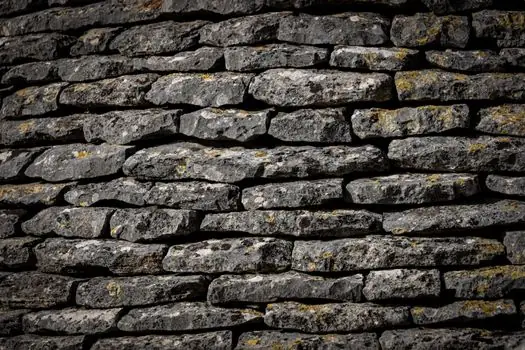
Engineered quartz is less heat-resistant than natural stone because its polymer binder can scorch or discolor, while a hot pan placed directly on the surface may leave damage that is difficult or impossible to repair [S2][S3]. One industry comparison identifies resin degradation beginning around 150°F and notes that frying pans can reach 400–600°F [S4].
Granite and quartzite can tolerate substantially higher temperatures, with one comparison placing their heat performance at 450°F or higher [S4].
Decision Matrix: Scratch, Heat, Staining and Maintenance
On scratch resistance, engineered quartz scores 7 on the Mohs scale, granite 6–7 and quartzite 7–8, making the practical difference between quartz and granite modest [S3][S4]. On heat tolerance, natural granite and quartzite lead, while the quartz composite is constrained by its resin binder [S2][S4]. On staining, engineered quartz wins because its non-porous matrix does not require sealing, whereas natural stone performance depends on the selected stone and its sealer [S1][S5].
On visual consistency, engineered quartz provides uniform slab-to-slab color and pattern, while granite provides unique natural variation and mineral movement [S3][S7]. On outdoor use, the resin in engineered quartz is not UV-stable, so the material is limited to interiors [S2]. On service life, one 2026 comparison estimates 20–50 years for quartz and more than 50 years for granite and quartzite, but those are market estimates rather than guarantees for a specific slab [S4].
Choose by Workload, Not by Hardness Number Alone
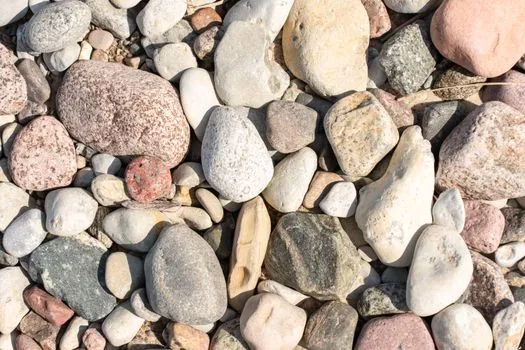
Choose engineered quartz for kitchens, bathrooms and other interior high-traffic areas where stain resistance, low maintenance and consistent appearance outweigh the need for high-temperature tolerance [S1][S5]. It is a poor choice for direct placement of 400–600°F pans, radiant-heated floors, exposed outdoor installations, or applications requiring natural-stone variation [S2][S4].
Choose granite or quartzite where direct heat, exposed edges, long service life and genuine natural-stone appearance have greater priority [S3][S4]. Engineered quartz requires no sealing, while granite sealing needs depend on the stone and its porosity [S4]. The penetrating and topical building-stone sealants decision therefore applies mainly to the natural-stone branch.
Specification Checks Before Ordering the Slab
Request the manufacturer’s technical data for the exact product grade, including composition, flexural or strength data, surface absorption, coefficient of thermal expansion, heat exposure limits, warranty exclusions and installation requirements. The research establishes Mohs values, resin content ranges and comparative heat limits, but no single universal flexural strength or service-life value applies to every engineered quartz or granite product [S3][S4][S5].
For interior countertops, record whether any hot cookware will contact the surface, whether sunlight exposure is significant, and whether maintenance access permits sealing natural stone. If a slab must sit over radiant heat, require a written manufacturer approval instead of extrapolating from granite’s general performance. Sample approval should also distinguish decorative natural aluminum veneer panel alternatives from the stone or engineered-quartz product actually specified.
The decisive specification is simple: engineered quartz wins the narrow hardness comparison at Mohs 7 versus granite at 6–7, but natural stone wins decisively where heat resistance, UV exposure and material authenticity govern the design [S2][S3][S4].