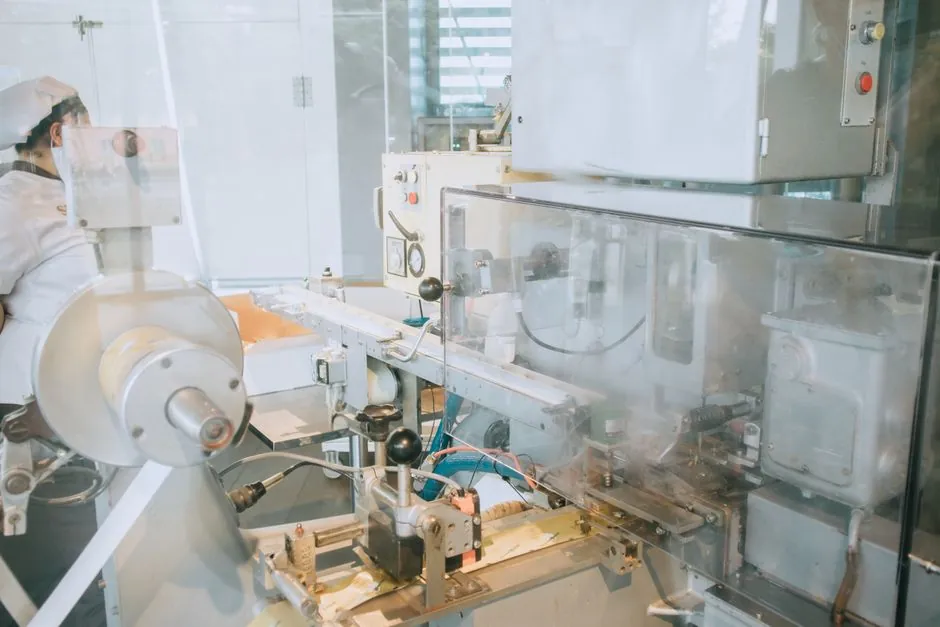
A carton erecting machine takes flat corrugated blanks and performs carton pickup, box opening, bottom flap folding, carton forming, and bottom sealing.
A carton erecting machine performs carton pickup, box opening, bottom flap folding, carton forming, and bottom sealing.
Functional Boundary Between the Two Machines
An automatic carton erector takes flat corrugated blanks and converts them into formed cases ready for product loading. Its standard sequence is carton pickup, box opening, bottom-flap folding, carton forming and bottom sealing [S3].
This separation also prevents terminology errors: cartoning places products into folding cartons, whereas case packing groups finished packages for handling [S7].
Cartoning, case packing and case sealing should remain three separate engineering functions even when their equipment is enclosed in one line.
Decision Matrix for Equipment Selection
Choose a carton erecting machine when flat corrugated blanks must be opened, folded, formed, and bottom-sealed.
Manual erection is suitable for small-to-medium operations with labor and budget constraints, while semi-automatic machines retain some manual input and automate folding and sealing. Fully automatic erectors are intended for high-volume lines and can provide adjustable settings and integration with other packaging equipment [S5].
Recommended Sequence for a Conventional Shipping-Case Line
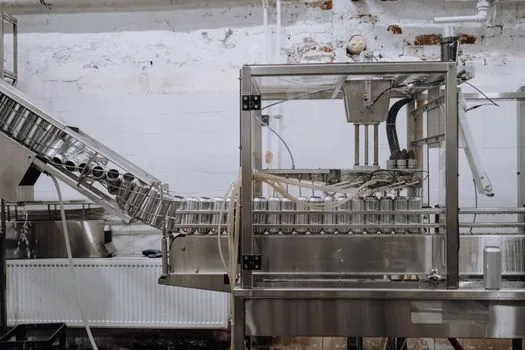
The normal sequence is flat-blank magazine, erector, formed-case conveyor, product accumulation, case packer, case sealer and pallet handling. An erector supplies formed cases directly to filling, case packing or palletizing operations [S3].
A carton erecting machine is needed to convert flat corrugated blanks into formed, bottom-sealed boxes.
Cartoning places products into folding cartons, while case packing groups finished packages for handling.
Line Integration, Controls and Material Flow
Who Should Use Each Arrangement?
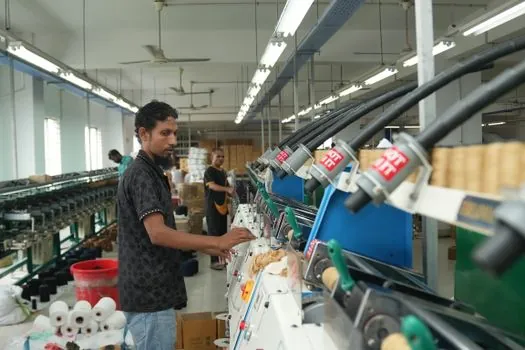
A standalone or semi-automatic erector is appropriate for lower-volume operations where full automation is not justified, while a fully automatic erector is appropriate for high-volume production lines [S5]. Manual erection is suitable for small-to-medium operations and can serve as a flexible starting arrangement [S5][S6].
A carton erecting machine forms and bottom-seals boxes before product loading.
A combined line is appropriate when manual case formation is the constraint, the downstream line requires consistent cases, and the operating volume justifies the higher initial investment and maintenance burden of full automation [S5][S6].
Failure Modes and Performance Constraints
Off-square cases create downstream problems at sealing, conveying and pallet stacking. Manual folding can introduce dimensional variation, while automated folding is used to improve consistency across the run [S3][S5].
Three constraints deserve acceptance testing: minimum and maximum case dimensions in the selected format, allowed case-weight range at the packer, and handling limits for the actual primary package. Flexible packs require controlled distribution because weight, motion and irregularity affect placement, while sharp bag corners create puncture risk [S2].
For changeover planning, set carton tolerances before automatic case packing and review the interaction between erector format settings, conveyor transfers and packer guides. A case that passes forming but does not enter the packer cleanly indicates an interface problem rather than a case-packer capacity problem.
Engineering and Procurement Acceptance Sequence
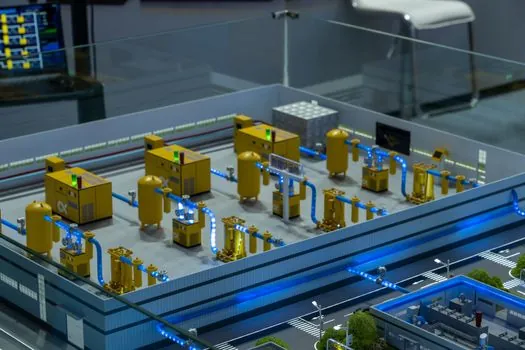
Write the functional specification in process order: accept flat blanks at the erector, accept formed and bottom-sealed cases at its outlet, accept finished products at the packer, then accept loaded cases for sealing. This sequence directly reflects the documented division between erecting, packing and closing [S1][S3][S4].
Run an end-to-end test using production-representative cases and products. Include the nominal format, the smallest and largest planned format, flexible-product loading if applicable, and a fault test for missed or double-fed blanks. Confirm that rejection does not allow an undersized or unsealed case to enter the packer.
For a broader look at the minimum-case issue, evaluate the interaction between case geometry and packer limits before releasing the mechanical layout. The case packer minimum case size specification is part of that decision, but it does not replace a physical fit trial with the intended corrugate.
The final release criterion should be simple: a correctly formed case must be accepted by the packer at the planned rate, the loaded case must remain within handling limits, and the downstream sealer must receive a stable, closed-case geometry.