
A case packing machine forms or loads closed corrugated cases for storage and transport, while a shrink wrapping machine seals film and uses heat to tighten it around cans, bottles, cartons, trays, or multipacks [S3][S4].
The decision depends on the packaging layer: use a case packing machine for distribution cases, but use a shrink wrapping machine for retail bundles that need a tight film presentation.
Choose by Packaging Function, Not Machine Name
Case packing and shrink wrapping perform different packaging functions. Case packing uses a closed corrugated case, whereas tray packing uses an open or partially open corrugated tray [S4]. A case packing machine automates case formation from flat blanks and can combine case setup, product loading, and sealing through robotic arms [S5].
Shrink wrapping applies film around products or product groups, seals the film, and then heats it so the film contracts [S3]. Shrink systems can form bullseye packs, total-closure packs, tray-supported bundles, and pad-supported bundles [S2]. Polypack manufactures shrink wrap machines and end-of-line packaging systems for consumer packaged goods, including bottles, aerosols, cartons, jars, boxes, and multipacks [S2].
The practical distinction is the intended load. A case is a corrugated distribution unit that protects grouped products during handling and shipping. A shrink-wrapped multipack is a film-based consumer package, often placed inside a tray or later grouped into a case.
Decision Criteria for Cases and Multipacks
The main decision criteria are package structure, sealing method, handling stage, product support, and output configuration. The following comparison applies directly to the two machine classes described in the research. [S3]
For a line that converts bottles into six-pack or larger consumer bundles and then builds shipping cases, the shrink wrapper normally appears upstream of the case packer. The wrapper creates the saleable unit, and the case packer creates the transport unit.
Use Case Recommendations by Product Format
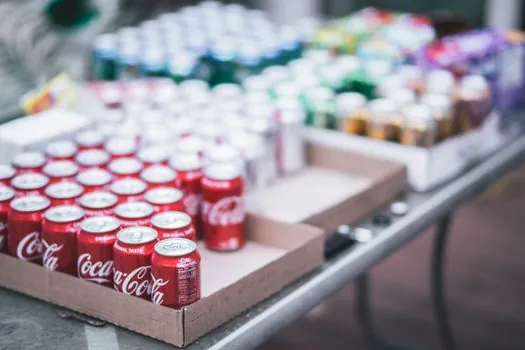
Use a case packer for canned beverages, bottled products, boxed goods, and other grouped products that are already inside retail packs but need a stronger corrugated outer package. Case packing is the appropriate choice when the destination is a warehouse, distribution center, or retailer that receives standard shipping cases [S3][S4].
Use a shrink wrapper for products that need a compact retail-facing bundle. Total-closure wrapping provides film coverage around the entire package, while bullseye wrapping is another configuration available for consumer goods [S2]. Tray-supported wrapping is preferable for heavy or unstable products such as jugs and larger bottles because the tray adds stacking and transport support [S2].
Use tray-supported or pad-supported shrink packaging when the film alone would not adequately stabilize the load. Pads can prevent products from chafing or cutting through film during stacking and palletizing [S2].
Do not select a shrink wrapper as the sole answer for corrugated distribution cases. It requires heat and appropriate film selection [S3], while the case packing machine is designed around case formation and closure [S5].
Output, Materials, and Integration Constraints
Case-packer output depends on the configured motion system, case dimensions, product pattern, and loading method. A case packing machine automates case formation and can combine case setup, product loading, and sealing through robotic arms [S5].
Shrink-wrapper output depends on film roll handling, collating, sealing, tunnel capacity, and package geometry.
A shrink wrap machine uses heat to contract film tightly around a product or group of products, while a stretch wrapping machine uses film tension without heat to secure a palletized load [S3]. Print-registered film can be specified for appearance control, and label-orientation systems can rotate products to a consistent label direction before wrapping [S2][S5].
Treat that as an application-specific supplier claim, not a universal case-packer saving.
Failure Modes and Equipment Limitations
Shrink wrapping has four linked constraints: correct film selection, adequate seal quality, sufficient heat for even contraction, and product heat tolerance [S3]. A poor seal can open before or during contraction, while unsuitable film or excess thermal exposure can distort the pack or damage heat-sensitive products.
Case packing is constrained by carton and case geometry, product weight, pattern loading, case closure, and gripper reach. The decision between robotic and mechanical loading should be based on the actual case and SKU set, which is addressed further in Robotic vs Mechanical Case Packer Cycle Rate.
Aerolsols require dedicated handling within shrink-wrapping systems. Available configurations include clear, random-printed, and print-registered film, with tunnel run-out safety features and optional integrated fire suppression [S2]. Flexible products such as large soil, charcoal, pet food, and cat-litter bags need stable collation because the film alone is less effective at controlling bag movement [S2].
Avoid comparing shrink wrapping with stretch wrapping as if they were alternatives at the same packaging stage. Stretch wrapping stabilizes palletized loads without heat, while shrink wrapping creates a tight package around products, trays, or multipacks before palletization [S3].
Specify the Complete Packaging Sequence
A robust line specification defines each intermediate package, not merely the final machine. For beverage multipacks, state the number and arrangement of cans or bottles, film type, bullseye or total-closure format, tray or pad requirement, tunnel conditions, and the downstream case count per corrugated case [S1][S2].
For case packing, state blank or erected-case format, case dimensions, closure method, product pattern, gross load, and required line rate [S4][S5]. Confirm that the upstream collator and downstream case packer have compatible product-transfer geometry rather than assuming one machine can perform both operations.
Use a case packer alone when the required output is a closed corrugated distribution case. Use a shrink wrapper when the required output is a heat-contracted film multipack, especially where retail presentation, containment, or load support is the priority. Specify both, with the shrink wrapper upstream, when both retail multipacks and shipping cases are required [S1][S2][S3].