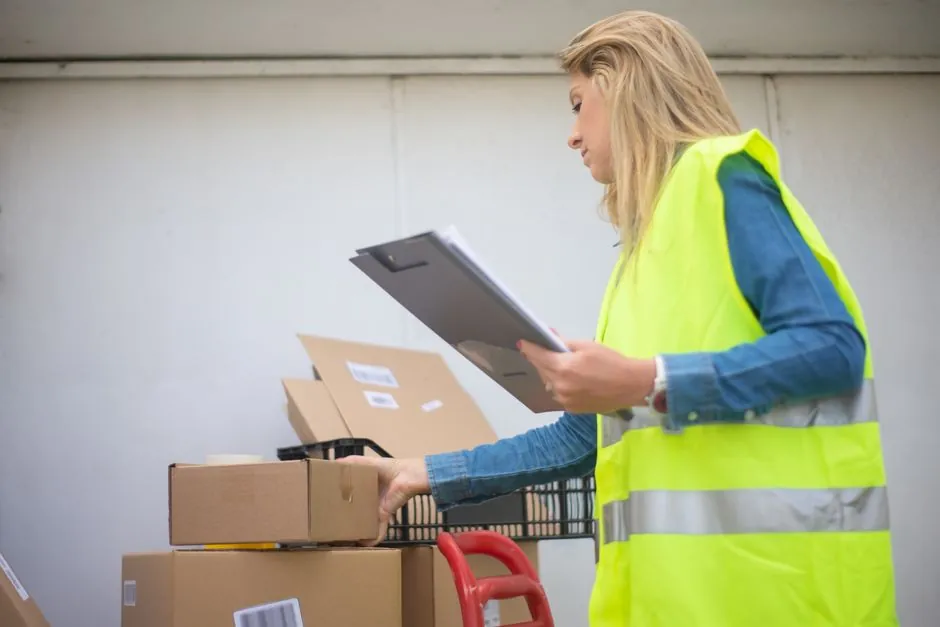
Chemical-shipper case packing in 2026 is dominated by three architectures: top-load drop packers, side-load horizontal loaders, and robotic pick-and-place cells, with selection driven by container weight, UN-rated shipper geometry, and corrosion-resistance tier [S3].
Combi Packaging Systems lists Chemical as a named served market alongside case erecting, case loading, case sealing, stretch wrapping, and robotic palletizing modules in its 2026 product line [S2]. ZONESUN's August 2026 secondary-packaging catalog groups cartoning, box forming, case packing, sealing, shrink wrapping, and bundling as the standard end-of-line kit [S5].
What a Chemical Case Packing Cell Must Contain
End-of-line packaging machinery is defined as the connected group of cartoning machines, case erectors, case packing systems, case sealers, and palletizing equipment that close out a chemical production line [S6]. A 2026 packaging-line guide defines the system as a connected chain of fill, seal, label, inspect, and pack stations tuned for storage and shipping [S1].
For chemical shippers the minimum credible cell is four stations: a case erector that forms RSC or wrap-around blanks at 10-30 cases per minute, a loader matched to the inner container, a tape or hot-melt sealer, and a palletizer with stretch wrapper [S3][S6]. IQS Directory's June 2026 packaging equipment reference confirms case erectors as integral to end-of-line systems, rapidly forming and sealing corrugated boxes for shipping and distribution [S3].
Selection Criteria: Container, Throughput, and Corrosion
Three criteria govern the buy: container weight band, throughput in cases per minute, and the corrosion/cleaning tier of the contact frame [S3]. UN-rated fiberboard, plastic pails (1-5 gal), and steel/fiber drums (5-55 gal) each demand different loaders: pail lift-and-place cells top-load easily, while drums often need side-load grippers or robotic EOAT with torque-limited heads [S3][S6].
Stainless 304 contact parts suit dilute cleaners and detergents, while 316L or Hastelloy-style alloys enter the spec only when free chlorine, strong oxidizers, or solvent vapors contact the frame [S3]. NEMA 4X or IP66 washdown ratings pair with these materials, and ATEX/IECEx zone classification is added when the line sits inside a classified battery room or filling room boundary [S3]. ZONESUN's 2026 catalog covers Household Chemicals, Vial & Small-Dose, Syringe Filling, and Powder & Granule solution tracks, all of which fall under the same secondary-packaging umbrella [S5].
Architecture Comparison: Top-Load vs Side-Load vs Robotic
Top-load drop packers are the cheapest per case, typically rated 10-25 cpm, and dominate rigid bottle and canister runs because the product drops vertically into a waiting RSC [S3]. Side-load horizontal packers suit tall, narrow, or unstable pails, with gripper heads inserting the product along the long axis; throughput falls to 6-15 cpm but the geometry is safer for offset centers of gravity [S3].
Robotic pick-and-place cells carry the highest capital cost but cover multi-SKU lines, mixed case patterns, and drum handling where a single arm can grip 1-gal jugs and 5-gal pails with swapped end-effectors [S2][S3]. Combi's 2026 product menu lists Semi-Automatic Case Packing, Automatic Case Packing Systems, Case Erectors, Case Sealers, and Robotic Palletizing as discrete, combinable modules rather than fixed cells [S2]. When weighing these three options against (a) capex per cpm, (b) footprint, (c) SKU mix flexibility, and (d) tooling changeover time, top-load wins on cost and speed, side-load wins on tall/offset pails, and robotic wins on SKU variety and future-proofing [S2][S3].
Chemical-Specific Failure Modes and Constraints
Chemical lines fail in three predictable ways: corrosion of mild-steel contact parts, washdown ingress into servo cabinets, and electrostatic discharge when handling flammable solvents near non-ATEX grippers [S3]. Tom Packs' 2026 detergent and agrochemical packaging machine guide lists liquids and powders as handled product classes, and names agrochemicals, detergents, and personal care as core use cases, all of which share the same washdown and corrosion constraints as industrial chemical packing [S4].
Skip the case packer selection if the inner pack is a UN-certified 55-gal steel drum with a locking ring; that is a drum-crating or drum-palletizing problem, not a case packing problem, and the equipment class changes [S3][S6]. Likewise, vented pails carrying Class 3 flammables need a nitrogen-purged or ATEX-rated loader head, and any cell sitting inside a Zone 1 or Zone 2 boundary must carry matching certification on the loader, sealer, and the conveyors feeding it [S3].
Integration With Coding, Labeling, and Palletizing
Every chemical case packer must hand off to a coding/printing station and a label applicator before the sealer, and the palletizer+stretch wrapper pair after it [S1][S3]. ZONESUN's 2026 catalog lists Inkjet Coding, Laser Coding, Pad Coding, and Ribbon Coding as the marking options that bolt onto the packer output conveyor, plus CCD Vision Labeling and Print & Apply labelers for GHS-compliant chemical labels [S5].
The Pallasmt 2026 packaging-line guide specifies that inspection and labeling sit inside the same connected chain as fill, seal, and pack, so chemical GHS label verification (signal word, pictogram, supplier block) belongs on the same PLC network as the loader, not as a stand-alone offline check [S1]. Robotic palletizing cells from Combi's 2026 line include stretch wrappers and strapping tools as downstream options, which is the standard closed-loop for chemical shipping where stretch film plus edge protectors is the dominant pallet pattern [S2].
Buyer Profile: Who This Cell Is For, and Who It Is Not For
A 2026 case packing cell is for chemical plants shipping 200-5,000 cases per shift in RSC, wrap-around, or HSC corrugated, with inner packs ranging from 250 ml bottles to 5-gal pails, and a steady SKU count of 5-50 active items [S3]. It is not for low-volume contract packers running fewer than 50 cases per shift, where a semi-automatic bench-top sealer plus hand-loading is the economic answer [S2][S3].
It is also not for aerosol propellant lines, where the UN pressure-vessel certification, leak testing, and water-bath inspection steps sit between the filler and the case packer and force a different cell layout [S3]. For e-commerce and mixed-SKU fulfillment, a different selection path applies, as detailed in Case Packing Machine Selection for E-Commerce Fulfillment, which trades chemical corrosion and washdown for throughput variance and parcel-size agility.
Standards, Sourcing, and 2026 Vendor Signal
Relevant governing standards for chemical case packers include ATEX 2014/34/EU for explosive atmospheres, IEC 60079 series for zone-classified equipment, and IECEx for international zone certification, paired with NEMA 4X or IP66 washdown enclosures; UN packaging performance criteria (UN 4G/Y/S for fiberboard, 1H1/Y for plastic pails) apply to the inner pack, not the loader, but the loader must not damage the tested shipper [S3]. GHS label content rules govern the print-and-apply step on the same conveyor [S3].
On the vendor side, Combi's August 24, 2026 homepage update still anchors the chemical market alongside automotive, agriculture, cosmetics, food & beverage, and pharmaceuticals, and explicitly markets modular integration across case erecting, loading, sealing, robotic palletizing, and stretch wrapping as the cell architecture [S2]. ZONESUN's August 28, 2026 secondary-packaging catalog exposes Cartoning, Box Forming, Shrink Wrapping, Strapping Tool, and Palletizers as the matching buildable blocks for chemical applications [S5]. Trackable signals to watch: (a) whether integrators begin shipping ATEX/IECEx dual-certified robotic loader heads as standard rather than options, and (b) whether GHS vision verification moves upstream onto the loader output conveyor rather than sitting as a manual inspection gate. A useful mechanical analog to compare selection logic against is the Slewing Drive Selection for Packaging Lines: Torque, Ratio, and Sealing Logic spec path, where torque, ratio, and sealing drive the same kind of build-vs-buy decision a chemical case packer demands.
For the relevant spec sheets and selection criteria, see case packing machine, gland packing, and chemical anchor.